Medical Tech Developments: Latest Innovations Transforming Healthcare
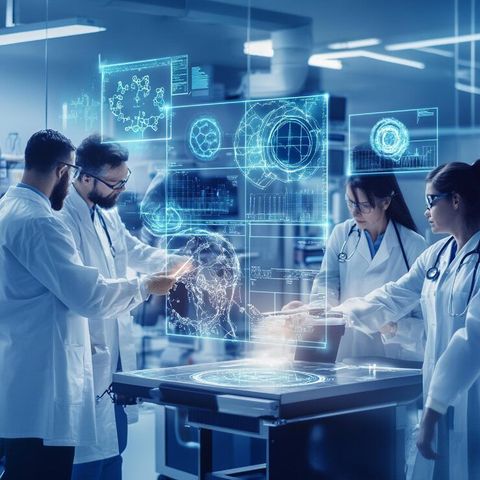
Medical technology is changing the way healthcare is delivered, diagnosed, monitored, and managed around the world. From artificial intelligence helping doctors analyze medical images to wearable devices tracking daily health metrics, medical tech developments are creating new opportunities for patients and healthcare professionals alike.
In recent years, advances in digital health, robotics, biotechnology, and connected medical devices have accelerated rapidly. Many healthcare systems are adopting technology not only to improve treatment but also to detect diseases earlier, reduce errors, and make healthcare more accessible. As these innovations continue to evolve, understanding their role has become increasingly important for patients, caregivers, students, and healthcare organizations.
This guide explains the latest medical technology developments, why they matter, recent trends, important regulations, available healthcare tools, and frequently asked questions in a simple and educational way.
Understanding Medical Tech Developments
Medical tech developments refer to innovations in healthcare technology that improve medical care, diagnosis, treatment, prevention, and patient management. These developments combine medicine with engineering, software, artificial intelligence, sensors, cloud computing, and biotechnology.
The goal is to make healthcare more accurate, efficient, personalized, and accessible while supporting better health outcomes.
Medical technology includes many different categories, such as:
Artificial intelligence in healthcare.
Wearable health monitoring devices.
Medical imaging systems.
Robotic-assisted surgery.
Telemedicine platforms.
Remote patient monitoring.
Digital health records.
Biotechnology and precision medicine.
These technologies are now being used in hospitals, clinics, research laboratories, pharmacies, and even in patients' homes.
Why Medical Technology Matters Today
Healthcare systems face increasing demand due to aging populations, chronic diseases, and growing patient expectations. Technology helps address these challenges by improving both clinical care and healthcare operations.
Faster Disease Detection
Modern diagnostic tools use advanced imaging, AI algorithms, and laboratory technologies to identify health conditions earlier than traditional methods in many situations. Early detection often helps healthcare providers begin treatment sooner.
Better Access to Healthcare
Telemedicine and remote monitoring enable patients to receive consultations and ongoing care without visiting healthcare facilities for every appointment. This improves access for people living in rural or underserved areas.
Personalized Patient Care
Medical technology increasingly supports treatments tailored to an individual's medical history, genetics, lifestyle, and health data instead of relying on one general approach for everyone.
Improved Patient Monitoring
Connected devices continuously collect health information such as heart rate, blood oxygen levels, sleep quality, blood glucose readings, and blood pressure. Healthcare providers can monitor patients more effectively between visits when appropriate.
Major Medical Tech Developments in 2026
Several technologies are shaping healthcare in new ways during 2026.
Artificial Intelligence in Healthcare
Artificial intelligence has become one of the fastest-growing areas in medical technology.
AI systems assist healthcare professionals by analyzing medical images, identifying patterns in patient records, supporting clinical documentation, and helping prioritize cases based on urgency.
Common healthcare applications include:
Medical imaging analysis.
Clinical decision support.
Predictive health analytics.
Drug discovery research.
Administrative workflow automation.
AI does not replace healthcare professionals but serves as a tool that supports faster analysis and decision-making.
Wearable Health Technology
Wearable medical devices have evolved beyond basic fitness tracking.
Modern wearable technology monitors:
Heart rhythm.
Blood oxygen saturation.
Physical activity.
Sleep patterns.
Body temperature trends.
Blood glucose in some approved devices.
Continuous monitoring allows users and healthcare providers to identify trends over time rather than relying on occasional measurements.
Robotic-Assisted Surgery
Surgical robots help surgeons perform certain procedures with enhanced precision and control.
Benefits may include:
Smaller surgical incisions.
Improved visualization.
Greater instrument precision.
Support for minimally invasive procedures.
Robotic systems remain controlled by trained surgeons rather than operating independently.
Remote Patient Monitoring
Remote patient monitoring allows healthcare teams to receive health information from patients outside traditional healthcare settings.
Examples include monitoring:
Blood pressure.
Blood sugar.
Heart function.
Respiratory health.
Weight changes.
This technology is especially useful for managing chronic conditions that require regular observation.
Digital Diagnostics
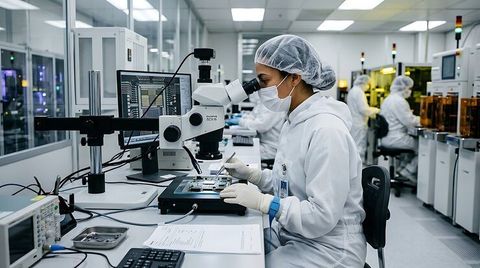
Medical diagnostics are becoming faster through AI-assisted imaging, portable diagnostic devices, and advanced laboratory automation.
These innovations support:
Faster laboratory workflows.
Improved imaging analysis.
Portable testing equipment.
Earlier identification of certain medical conditions.
Personalized Medicine and Genomics
Personalized medicine focuses on treatments designed around an individual's biological characteristics.
Healthcare providers increasingly use genetic information alongside traditional medical records to understand how patients may respond to certain therapies.
Key areas include:
Genetic testing.
Precision oncology.
Pharmacogenomics.
Rare disease diagnosis.
This approach continues to expand as genomic research advances.
Medical Imaging Innovations
Medical imaging technology continues improving image quality, speed, and diagnostic support.
Important developments include:
AI-assisted MRI analysis.
Enhanced CT imaging.
Advanced ultrasound technology.
Portable imaging equipment.
3D medical visualization.
These technologies help healthcare professionals interpret complex medical information more efficiently.
Smart Medical Devices and Connected Healthcare
Connected medical devices communicate with healthcare systems through secure digital networks.
Examples include:
| Technology | Primary Healthcare Use |
|---|---|
| Smart blood pressure monitors | Home blood pressure tracking |
| Connected glucose monitors | Diabetes management |
| Digital inhalers | Respiratory condition monitoring |
| Smart ECG devices | Heart rhythm monitoring |
| Medication reminder devices | Treatment adherence support |
These devices generate health data that may help healthcare providers monitor long-term trends when integrated appropriately into care.
Telemedicine and Virtual Healthcare
Telemedicine has become an important part of healthcare delivery.
Virtual healthcare includes:
Video consultations.
Secure messaging.
Digital prescriptions where permitted.
Follow-up appointments.
Mental health consultations.
Chronic disease management.
Healthcare organizations continue improving digital consultation platforms with better security and patient experience.
How AI Is Supporting Healthcare Professionals
Rather than replacing doctors, AI is helping reduce repetitive administrative work and supporting clinical workflows.
Examples include:
Organizing electronic health records.
Summarizing clinical notes.
Identifying imaging abnormalities for review.
Predicting potential hospital readmissions.
Supporting appointment scheduling.
Healthcare professionals still make final clinical decisions based on patient evaluation.
Recent Medical Tech Trends and Updates in the Past Year
The healthcare technology landscape has continued evolving during the past year with several notable trends.
Growth of Generative AI in Healthcare
Healthcare organizations have expanded the use of generative AI for documentation, medical research assistance, patient communication tools, and administrative efficiency while continuing to evaluate safety and oversight.
Expansion of Remote Care Programs
More hospitals and healthcare providers have introduced remote patient monitoring programs for chronic disease management and post-surgery recovery.
Increased Focus on Cybersecurity
As healthcare becomes more digital, protecting patient information has become a higher priority through stronger security frameworks and privacy practices.
Portable Diagnostic Devices
Smaller diagnostic equipment designed for clinics, ambulances, and home healthcare continues improving access to testing in different healthcare environments.
Advances in Digital Therapeutics
Software-based therapeutic tools continue developing for areas such as behavioral health, chronic disease management, and rehabilitation under healthcare supervision where appropriate.
Laws, Policies, and Healthcare Standards
Medical technology is regulated differently across countries, but several common principles guide healthcare technology adoption.
Patient Data Privacy
Healthcare providers must protect sensitive medical information through privacy regulations and secure data handling practices.
Important privacy principles include:
Patient consent.
Secure storage.
Controlled data access.
Confidential communication.
Medical Device Regulation
Medical devices typically undergo regulatory review before being approved for specific healthcare uses. Requirements vary depending on the country and device category.
AI Governance in Healthcare
Governments and healthcare organizations are developing frameworks that encourage responsible AI use while emphasizing transparency, safety evaluation, human oversight, and ongoing monitoring.
Interoperability Standards
Healthcare systems increasingly use standardized formats so hospitals, laboratories, pharmacies, and clinics can exchange patient information more effectively while maintaining privacy protections.
Benefits of Medical Tech Developments
Medical technology offers benefits across different parts of healthcare.
| Area | Potential Benefit |
|---|---|
| Patients | Earlier diagnosis, remote monitoring, and easier access to healthcare services. |
| Healthcare Professionals | Better clinical decision support and improved workflow efficiency. |
| Hospitals | Improved operational management and digital record integration. |
| Researchers | Faster analysis of medical data and support for scientific research. |
| Public Health | Better disease surveillance and healthcare planning. |
These benefits depend on appropriate implementation, training, regulation, and patient-centered care.
Challenges Facing Medical Technology
Despite rapid innovation, medical technology also presents important challenges.
Data Security
Healthcare organizations must protect patient records against unauthorized access and cyber threats.
Technology Access
Access to advanced medical technology may differ between regions depending on infrastructure and healthcare resources.
Digital Literacy
Patients and healthcare providers need education and training to use digital healthcare tools effectively.
Ethical Use of AI
Healthcare organizations continue addressing questions about bias, transparency, accountability, and appropriate human oversight in AI-assisted healthcare systems.
System Integration
Hospitals often need compatible digital systems to integrate new technologies with existing healthcare infrastructure.
Useful Healthcare Technology Resources
Many types of tools support modern healthcare without replacing professional medical advice.
Health Monitoring Tools
These tools help individuals track daily health information, including heart rate, sleep quality, activity levels, and other wellness metrics.
Patient Health Record Platforms
Digital health record platforms allow patients to access medical history, appointments, laboratory reports, and vaccination records where available.
Telehealth Applications
Telehealth applications support virtual consultations, appointment scheduling, and secure communication with healthcare providers.
Medication Management Tools
Medication reminder tools help users organize treatment schedules and maintain medication adherence when prescribed.
Wellness and Preventive Health Platforms
Preventive healthcare platforms encourage healthy habits through activity tracking, nutrition logging, and educational health information.
Future Outlook for Medical Technology
Medical technology is expected to continue evolving through stronger integration of AI, connected devices, biotechnology, robotics, and digital healthcare platforms.
Future developments may include:
More personalized healthcare recommendations.
Improved wearable medical sensors.
Expanded home-based healthcare technologies.
Better interoperability between healthcare systems.
Faster diagnostic support through AI-assisted tools.
Continued research in regenerative medicine and biotechnology.
As innovation continues, healthcare organizations will balance technological advancement with patient safety, privacy, and ethical standards.
Frequently Asked Questions
What are medical tech developments?
Medical tech developments are new technologies and innovations that improve healthcare diagnosis, treatment, monitoring, prevention, and patient management through digital systems, medical devices, AI, robotics, and biotechnology.
How is AI used in healthcare?
AI helps analyze medical images, organize patient records, support clinical decision-making, improve administrative workflows, and assist medical research while healthcare professionals maintain responsibility for patient care.
What is remote patient monitoring?
Remote patient monitoring uses connected medical devices to collect health information from patients outside healthcare facilities, allowing healthcare providers to monitor certain conditions over time.
Why are wearable medical devices becoming more common?
Wearable devices provide continuous health monitoring, help track wellness trends, and support patients managing ongoing health conditions with regular measurements.
Are medical technologies replacing healthcare professionals?
No. Medical technologies are designed to support healthcare professionals by improving efficiency, providing additional clinical insights, and enhancing patient care rather than replacing medical expertise.
Conclusion
Medical tech developments are reshaping healthcare by making diagnosis, treatment, and patient monitoring more connected, data-driven, and personalized. Innovations such as artificial intelligence, wearable health devices, robotic-assisted procedures, digital diagnostics, and telemedicine continue improving how healthcare services are delivered across hospitals, clinics, and home settings.
While these technologies offer significant opportunities, they also require responsible implementation, patient privacy protections, cybersecurity measures, and human oversight. As healthcare continues evolving through 2026 and beyond, understanding medical technology helps patients, caregivers, students, and healthcare professionals stay informed about the tools and trends shaping the future of modern healthcare.
Disclaimer: The information provided in this article is for informational purposes only. We do not make any claims or guarantees regarding the accuracy, reliability, or completeness of the information presented. The content is not intended as professional advice and should not be relied upon as such. Readers are encouraged to conduct their own research and consult with appropriate professionals before making any decisions based on the information provided in this article.