Jump to a Chapter

Himalayan Mountain Adventures: Complete Guide to Trekking, Climbing, Wildlife, and Travel in the Himalayas

Himalayan Mountain Adventures: Complete Guide to Trekking, Climbing, Wildlife, and Travel in the Himalayas

The Himalayas are one of the world's most remarkable mountain ranges, stretching across several countries and offering landscapes that range from snow-covered peaks to green valleys, glaciers, forests, and alpine meadows. For centuries, these mountains have attracted explorers, trekkers, climbers, photographers, nature lovers, and people seeking peaceful outdoor experiences.


Himalayan mountain adventures are not only about reaching high summits. They include trekking through scenic trails, discovering remote villages, exploring national parks, camping under star-filled skies, crossing mountain passes, and experiencing unique cultures that have developed in high-altitude environments over thousands of years.

As interest in outdoor travel continues to grow, the Himalayas have become one of the most popular destinations for adventure tourism. Whether someone is planning their first mountain trek or learning about high-altitude expeditions, understanding the Himalayan environment helps create a safer and more enjoyable journey.

Understanding the Himalayan Mountain Range

The Himalayan mountain range stretches for approximately 2,400 kilometers across South Asia and includes some of the world's tallest mountains, including Mount Everest, Kanchenjunga, Annapurna, and Nanga Parbat. The range passes through countries including India, Nepal, Bhutan, China, and Pakistan, creating a diverse natural and cultural landscape.

The Himalayas influence climate, rivers, biodiversity, and local communities throughout the region. Major rivers such as the Ganges, Brahmaputra, and Indus originate from Himalayan glaciers, making the mountains an important source of freshwater for millions of people.

The geography changes dramatically from one region to another. Lower Himalayan foothills contain forests and villages, while higher elevations feature glaciers, rocky terrain, snowfields, and ice-covered peaks. This diversity creates opportunities for different types of mountain adventures throughout the year.

Why Himalayan Mountain Adventures Are So Popular

Adventure travel in the Himalayas appeals to people with different interests and experience levels. Some visitors prefer gentle day hikes through mountain villages, while others participate in challenging multi-day treks or technical mountaineering expeditions.

One reason for their popularity is the combination of natural beauty and cultural experiences. Trekking routes often pass through traditional villages where local communities continue centuries-old lifestyles, architecture, and traditions. Travelers experience changing landscapes every day, from forests and rivers to alpine lakes and snow-covered mountains.

The Himalayas also provide opportunities for physical challenges, photography, wildlife observation, meditation retreats, camping, and learning about mountain ecosystems.

Types of Himalayan Mountain Adventures

Himalayan adventures include a wide range of outdoor activities suitable for different fitness levels and interests.

Trekking Through Mountain Trails

Trekking is the most popular Himalayan adventure. Trails vary from easy walks lasting a few hours to long expeditions that continue for several weeks. Trekking routes often include forests, waterfalls, suspension bridges, mountain villages, monasteries, glaciers, and panoramic viewpoints.

Popular trekking regions include the Everest region, Annapurna region, Ladakh, Himachal Pradesh, Uttarakhand, Kashmir, Sikkim, and Bhutan. Each region offers unique scenery and cultural experiences.

Mountaineering and Peak Climbing

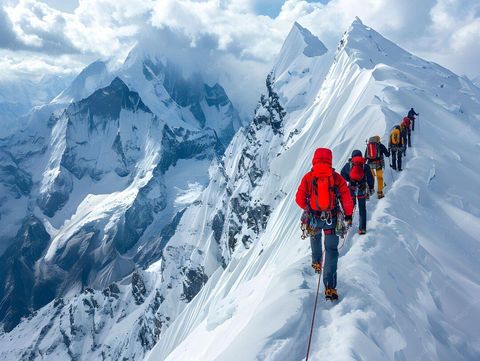
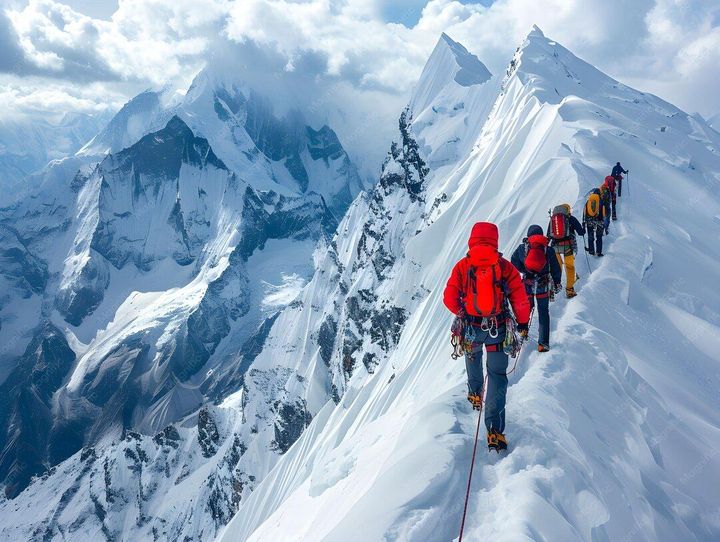
Mountaineering involves climbing mountains that require technical skills, specialized equipment, and experience with snow, ice, and rock terrain. Climbers prepare for changing weather, altitude, and challenging terrain through careful planning and training.

Many Himalayan peaks are suitable for experienced climbers, while some beginner-friendly trekking peaks provide an introduction to high-altitude climbing.

Camping in High-Altitude Landscapes

Camping allows travelers to spend nights close to nature while exploring remote Himalayan locations. Campsites may be located beside rivers, alpine lakes, meadows, glaciers, or mountain passes depending on the trekking route.

Camping provides opportunities to observe sunrise and sunset over mountain peaks and experience clear night skies away from city lights.

Wildlife Exploration

The Himalayas support diverse wildlife habitats. Adventure travelers often visit protected forests and national parks to observe native species while trekking or hiking through mountain ecosystems.

Animals found in different Himalayan regions include snow leopards, Himalayan tahr, blue sheep, musk deer, Himalayan black bears, red pandas, and various species of pheasants, vultures, and eagles.

Popular Himalayan Adventure Destinations

Different Himalayan regions offer distinct landscapes and adventure experiences.

Indian Himalayas

The Indian Himalayas include destinations across Jammu and Kashmir, Ladakh, Himachal Pradesh, Uttarakhand, Sikkim, and Arunachal Pradesh. Travelers explore valleys, glaciers, monasteries, lakes, forests, and mountain passes while experiencing diverse local cultures.

Ladakh is known for high-altitude deserts and monasteries, Uttarakhand offers famous trekking routes and pilgrimage trails, Himachal Pradesh features alpine meadows and forests, while Sikkim combines mountain scenery with rich biodiversity.

Nepal Himalayas

Nepal is home to many internationally recognized trekking routes and several of the world's tallest peaks. Trekkers visit mountain villages, Buddhist monasteries, glaciers, and panoramic viewpoints throughout different Himalayan regions.

The country's adventure tourism infrastructure makes trekking accessible to visitors with varying levels of experience.

Bhutan Himalayas

Bhutan offers carefully managed trekking experiences focused on preserving natural landscapes and cultural heritage. Visitors experience mountain monasteries, forests, alpine meadows, and traditional Himalayan communities.

Best Seasons for Himalayan Adventures

Choosing the right season significantly affects weather, visibility, trail conditions, and overall experience.

Spring is one of the most popular seasons because temperatures become moderate, flowers bloom across mountain valleys, and skies are often clear for mountain views.

Summer brings greenery and flowing rivers in some regions, although monsoon rainfall affects several trekking destinations with slippery trails and reduced visibility.

Autumn is widely preferred for trekking because rainfall decreases, mountain views become clearer, and temperatures remain comfortable in many regions.

Winter transforms many Himalayan landscapes into snow-covered environments. Some lower-altitude treks remain accessible, while higher routes may close because of snowfall and extreme weather.

Preparing for a Himalayan Adventure

Preparation improves both safety and comfort during mountain travel.

Physical fitness is important because trekking involves walking long distances across uneven terrain and changing elevations. Regular walking, hiking, climbing stairs, cycling, or strength exercises help prepare the body before the trip.

Packing should focus on weather adaptability since temperatures can change rapidly between daytime and nighttime. Layered clothing helps adjust to changing conditions throughout the day.

Good trekking shoes with ankle support improve stability on rocky and uneven trails. Essential items also include warm clothing, rain protection, sun protection, water bottles, trekking poles when needed, and a basic first-aid kit.

Preparation also includes understanding altitude, weather forecasts, permits where required, and local travel regulations.

Understanding High-Altitude Travel

One of the defining characteristics of Himalayan adventures is traveling at higher elevations. As altitude increases, oxygen levels decrease, making the body work harder during physical activity.

Gradual ascent allows the body to adjust more comfortably. Rest days during longer treks often help acclimatization in higher regions.

Staying hydrated, maintaining a balanced diet, walking at a comfortable pace, and recognizing early signs of altitude discomfort contribute to safer mountain travel. Weather conditions may also change quickly at high elevations, requiring flexible travel planning.

Himalayan Culture and Local Communities

The Himalayas are home to diverse communities with unique languages, traditions, architecture, clothing, festivals, and food. Many trekking routes pass through villages where local lifestyles remain closely connected to mountain environments.

Traditional stone houses, prayer flags, monasteries, temples, and community farming reflect centuries of adaptation to high-altitude living.

Adventure travel becomes more meaningful when visitors respect local customs, dress appropriately in cultural sites, support responsible tourism practices, and learn about regional traditions during their journey.

Nature, Glaciers, and Himalayan Ecosystems

The Himalayan ecosystem contains forests, rivers, wetlands, glaciers, alpine meadows, and snow-covered landscapes that support thousands of plant and animal species.

Lower elevations feature pine, oak, rhododendron, and cedar forests. Higher elevations transition into alpine grasslands before reaching rocky glaciers and permanent snowfields.

Glaciers play an essential role in storing freshwater and feeding rivers throughout South Asia. Scientists continue monitoring Himalayan glaciers because climate patterns influence snow accumulation, glacier movement, and seasonal water availability.

Understanding these ecosystems encourages travelers to appreciate the environmental importance of mountain conservation.

Responsible and Sustainable Mountain Adventures

As Himalayan tourism grows, protecting fragile mountain environments becomes increasingly important. Sustainable adventure travel helps preserve trails, forests, rivers, wildlife habitats, and local communities.

Travelers can reduce environmental impact by carrying reusable water bottles, minimizing waste, respecting marked trails, avoiding disturbance to wildlife, and following local conservation guidelines.

Supporting locally operated accommodations, guides, transportation, and community businesses also contributes to regional economies while encouraging sustainable tourism development.

Responsible behavior helps ensure that future generations continue enjoying Himalayan landscapes.

Safety Tips for Himalayan Travel

Mountain environments require careful planning because weather and terrain can change rapidly.

Checking seasonal weather conditions before starting a trek helps travelers prepare appropriate clothing and equipment. Informing someone about the travel route is useful for longer trekking journeys in remote areas.

Walking at a steady pace reduces fatigue during steep climbs. Resting when needed and avoiding unnecessary risks in difficult terrain improve overall safety.

Listening to experienced guides during organized treks helps travelers navigate changing trail conditions, river crossings, snow sections, and mountain passes more safely.

Recent Trends in Himalayan Adventure Tourism

Himalayan adventure tourism continues evolving with greater interest in sustainable travel, eco-friendly trekking practices, and community-based tourism. Many trekking regions are improving trail management, waste collection, digital permit systems, and visitor information services.

Adventure travelers increasingly combine trekking with photography, birdwatching, wellness retreats, cycling, and cultural experiences. Technology such as GPS navigation, satellite communication devices for remote expeditions, weather forecasting applications, and improved trekking equipment also enhances planning and safety.

Interest in less crowded trekking routes has grown as travelers seek quieter destinations while reducing pressure on heavily visited trails.

The Future of Himalayan Mountain Adventures

The future of Himalayan adventure travel depends on balancing tourism growth with environmental conservation and community well-being. Governments, conservation organizations, trekking communities, and local residents continue working toward preserving mountain ecosystems while supporting responsible tourism.

Climate awareness is encouraging more travelers to understand glacier conservation, biodiversity protection, and sustainable trekking practices. Educational tourism, eco-trekking, and cultural immersion experiences are becoming an important part of Himalayan adventures.

As infrastructure improves in selected regions while conservation efforts expand, the Himalayas will continue offering opportunities for exploration, learning, and appreciation of one of Earth's most extraordinary mountain environments.

Frequently Asked Questions

What is the best time for Himalayan mountain adventures?

Spring and autumn are generally considered the most suitable seasons because they often provide clear mountain views, comfortable trekking temperatures, and stable trail conditions in many Himalayan regions.

Are Himalayan adventures suitable for beginners?

Yes. The Himalayas offer trekking routes ranging from beginner-friendly day hikes to advanced high-altitude expeditions, allowing travelers to choose experiences that match their fitness and experience level.

What should I pack for a Himalayan trek?

Layered clothing, waterproof outerwear, trekking shoes, warm clothing, sun protection, reusable water bottles, and a basic first-aid kit are commonly recommended for Himalayan trekking.

Why is altitude important in the Himalayas?

Higher elevations have lower oxygen levels, making acclimatization important for comfort and safety during trekking or climbing in mountainous regions.

What makes the Himalayan ecosystem unique?

The Himalayas contain diverse forests, glaciers, alpine meadows, rivers, rare wildlife, and culturally rich mountain communities, making the region one of the world's most significant natural landscapes.

Conclusion

Himalayan mountain adventures combine breathtaking landscapes, physical exploration, cultural discovery, and an appreciation for nature's largest mountain range. From peaceful valley treks and glacier walks to wildlife exploration and high-altitude expeditions, the Himalayas offer experiences for travelers with many different interests and skill levels.

Understanding the geography, seasons, preparation, altitude, local culture, and environmental responsibility helps create safer and more meaningful adventures. As sustainable tourism continues to shape the future of Himalayan travel, respecting mountain ecosystems and local communities remains an essential part of every journey through these extraordinary mountains.

author-image

Zephyra

I am a creative and detail-oriented Content Writer passionate about producing clear, engaging, and informative content for digital audiences.

September 22, 2026 . 9 min read