Medical Device Workshop: Complete Guide to Training, Skills, Safety, and Career Learning
Medical devices play an important role in modern healthcare by supporting diagnosis, treatment, monitoring, and patient care. From simple blood pressure monitors to advanced imaging equipment and surgical instruments, these devices are used every day in hospitals, clinics, laboratories, and home healthcare settings. As medical technology continues to evolve, proper training becomes increasingly important for healthcare professionals, technicians, engineers, students, and anyone involved in handling medical equipment.
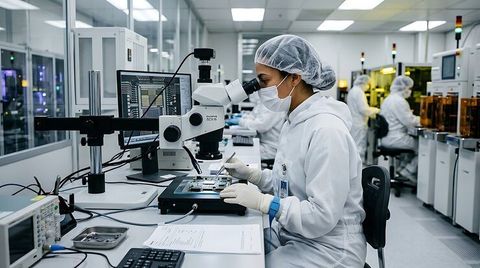
A medical device workshop provides structured, practical learning that helps participants understand how medical devices work, how to use them safely, and how to maintain them according to industry practices. Unlike classroom-only education, workshops combine theory with hands-on experience, making technical concepts easier to understand and apply in real-world healthcare environments.
This guide explains what a medical device workshop is, why it matters, what participants learn, who can attend, and how workshops are evolving with new healthcare technologies.
What Is a Medical Device Workshop?
A medical device workshop is an educational training session focused on the operation, maintenance, testing, safety, and understanding of medical equipment. These workshops are typically organized by educational institutions, healthcare organizations, research centers, manufacturers, training institutes, or professional associations.
The goal is to improve participants' technical knowledge while helping them develop practical skills required for working with medical devices in healthcare environments.
Workshops may include:
Demonstrations of medical equipment.
Hands-on practice sessions.
Safety and compliance training.
Equipment troubleshooting exercises.
Maintenance and calibration techniques.
Discussions about regulations and quality standards.
The format can range from short one-day sessions to multi-day or certification-based training programs.
Why Medical Device Workshops Are Important
Medical devices directly affect patient care, so proper knowledge and safe handling are essential. Workshops help reduce operational errors while improving confidence and technical competency.
Some key reasons these workshops are valuable include:
Improving Patient Safety
Healthcare professionals learn correct operating procedures, reducing the risk of misuse and equipment-related issues during patient care.
Building Practical Skills
Participants gain experience using real equipment instead of learning only through textbooks or presentations.
Understanding Technology
Modern healthcare equipment includes digital systems, sensors, software, and connected technologies. Workshops explain how these components function together.
Supporting Healthcare Quality
Proper equipment maintenance and usage contribute to reliable diagnostic results and effective treatments.
Staying Updated
Medical technology changes regularly, and workshops help professionals learn about new devices, updated guidelines, and emerging technologies.
Who Can Attend a Medical Device Workshop?
Medical device workshops are designed for a wide range of learners and professionals.
Common participants include:
Biomedical engineering students.
Medical students.
Nursing professionals.
Hospital technicians.
Clinical engineers.
Laboratory professionals.
Healthcare administrators.
Medical equipment maintenance teams.
Researchers and academic faculty.
Some workshops are beginner-friendly, while others focus on specialized equipment or advanced technical skills.
Common Topics Covered in a Medical Device Workshop
The content varies depending on the workshop's purpose, but several core topics appear frequently.
Introduction to Medical Devices
Participants learn the classification of medical devices based on their purpose and complexity.
Topics may include:
Diagnostic devices.
Therapeutic devices.
Monitoring devices.
Surgical instruments.
Laboratory equipment.
Wearable healthcare devices.
This section builds a foundation for understanding different categories of equipment used across healthcare settings.
Medical Device Components
Workshops explain the basic parts and functions of devices, including:
Sensors.
Displays.
Control systems.
Software interfaces.
Power sources.
Communication modules.
Safety alarms.
Understanding components helps participants identify normal operation and recognize potential issues.
Device Operation and Usage
Hands-on sessions often focus on operating equipment correctly.
Examples include:
Setting up devices before use.
Configuring operating parameters.
Reading measurements.
Understanding user interfaces.
Interpreting device indicators.
Performing basic functional checks.
Participants practice following standard operating procedures in controlled environments.
Preventive Maintenance
Preventive maintenance helps extend equipment life and maintain reliable performance.
Workshop activities may include:
Visual inspection techniques.
Cleaning procedures.
Functional testing.
Calibration basics.
Battery and power management.
Routine maintenance schedules.
Documentation practices.
This section emphasizes regular maintenance rather than emergency repairs.
Medical Device Safety
Safety is one of the most important parts of any medical device workshop.
Training often covers:
Electrical safety.
Infection prevention during equipment handling.
Safe storage practices.
Device labeling.
Emergency shutdown procedures.
Alarm management.
Personal protective equipment when required.
Participants also learn how safety protocols protect both patients and healthcare workers.
Hands-On Training in Medical Device Workshops
Practical learning is what distinguishes workshops from traditional lectures.
Hands-on activities may include:
Operating patient monitoring systems.
Using infusion pumps.
Setting up diagnostic instruments.
Handling imaging equipment demonstrations.
Performing equipment inspections.
Simulated troubleshooting scenarios.
Recording maintenance observations.
Learning through practice helps improve confidence and understanding of real healthcare workflows.
Types of Medical Devices Commonly Featured in Workshops
Different workshops focus on different equipment categories depending on the audience.
Diagnostic Devices
These devices help identify medical conditions.
Examples include:
Blood pressure monitors.
ECG machines.
Ultrasound systems.
Blood glucose monitoring devices.
Pulse oximeters.
Digital thermometers.
Participants learn correct setup, operation, and interpretation basics.
Monitoring Devices
Monitoring equipment tracks patient health over time.
Common devices include:
Multiparameter patient monitors.
Heart rate monitors.
Respiratory monitoring systems.
Oxygen monitoring equipment.
Temperature monitoring devices.
Training emphasizes continuous monitoring and alarm awareness.
Therapeutic Devices
Therapeutic devices assist in treatment or recovery.
Examples include:
Infusion pumps.
Defibrillators.
Ventilator demonstrations.
Physiotherapy devices.
Nebulizers.
Workshops explain operational principles and safety considerations.
Laboratory Equipment
Laboratory-focused workshops may introduce:
Centrifuges.
Microscopes.
Laboratory analyzers.
Sample preparation equipment.
Sterilization devices.
Participants learn proper handling and maintenance procedures for laboratory environments.
Safety Standards and Best Practices
Medical device workshops often introduce participants to general quality and safety principles followed in healthcare settings.
Important best practices include:
Following operating instructions carefully.
Inspecting equipment before use.
Maintaining cleanliness according to healthcare protocols.
Reporting equipment issues promptly.
Using accessories compatible with the device.
Recording maintenance and inspection activities accurately.
Avoiding unauthorized modifications.
These practices support consistent and safe equipment management.
Understanding Medical Device Regulations
Medical devices are generally subject to regulatory requirements that help ensure safety and quality before they are used in healthcare.
Workshops often explain concepts such as:
Device classification systems.
Quality management principles.
Documentation requirements.
Product lifecycle awareness.
Risk management basics.
Post-market monitoring concepts.
Importance of compliance in healthcare environments.
The focus is educational, helping participants understand why regulations exist and how they influence device development and use.
Skills Participants Develop During a Medical Device Workshop
A well-designed workshop helps participants develop technical and professional skills.
Technical Skills
Participants learn how to:
Identify device components.
Operate equipment correctly.
Perform routine inspections.
Understand calibration concepts.
Read technical indicators.
Follow maintenance procedures.
Analytical Skills
Workshops encourage participants to:
Recognize equipment abnormalities.
Interpret device alerts.
Follow troubleshooting workflows.
Document findings accurately.
Communication Skills
Healthcare equipment often requires teamwork.
Participants practice:
Reporting equipment status.
Documenting maintenance activities.
Communicating operational observations.
Following clinical workflow instructions.
These skills are valuable across healthcare and technical environments.
Benefits for Students and Healthcare Professionals
Medical device workshops provide value for learners at different stages of their careers.
For Students
Students benefit by:
Connecting theory with practical application.
Understanding healthcare technology.
Gaining exposure to industry equipment.
Building confidence through demonstrations.
For Healthcare Professionals
Professionals use workshops to:
Refresh technical knowledge.
Learn updated operational procedures.
Improve equipment safety awareness.
Stay informed about evolving technologies.
For Biomedical Engineers and Technicians
Workshops help strengthen understanding of:
Equipment maintenance.
Performance verification.
Troubleshooting methodologies.
Documentation practices.
Recent Trends in Medical Device Workshops
Medical technology continues to evolve rapidly, and workshops increasingly reflect these changes.
Digital Medical Devices
Many healthcare devices now include digital interfaces, software updates, and cloud-connected systems.
Workshops increasingly include training on:
Digital displays.
Software configuration.
Connected monitoring systems.
Data management basics.
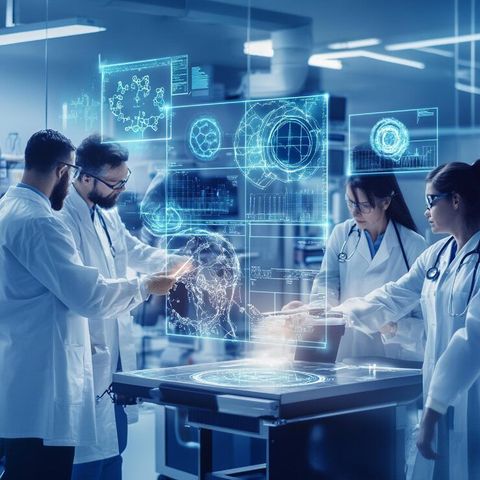
Artificial Intelligence in Healthcare Devices
AI-assisted healthcare technology is becoming more common in diagnostic imaging, patient monitoring, and clinical decision support systems.
Educational workshops may introduce:
AI-assisted workflows.
Human oversight of AI-enabled devices.
Data interpretation concepts.
Responsible technology use.
Remote and Hybrid Training
Healthcare education has expanded beyond traditional classrooms.
Modern workshops may include:
Virtual demonstrations.
Interactive simulations.
Hybrid classroom and online sessions.
Digital learning resources.
This makes technical education more accessible while maintaining practical learning components.
Simulation-Based Learning
Simulation technology allows participants to practice equipment usage in controlled environments before working with real clinical scenarios.
Benefits include:
Safe learning environments.
Repeated practice opportunities.
Scenario-based exercises.
Immediate instructor feedback.
How to Prepare for a Medical Device Workshop
Preparation helps participants get the most value from training sessions.
Before attending:
Review basic medical terminology if you're a beginner.
Learn the purpose of the devices being discussed.
Carry a notebook for technical observations.
Wear appropriate clothing if practical demonstrations are included.
Be ready to participate in hands-on exercises.
Ask questions during demonstrations for better understanding.
Active participation often improves learning outcomes.
Common Questions Asked During Medical Device Workshops
Participants frequently ask practical questions related to equipment operation and safety.
Examples include:
How does this device measure patient data?
What routine maintenance is recommended?
How are device alarms interpreted?
What are common operational errors to avoid?
How is equipment performance verified?
When should equipment be removed from service for inspection?
These discussions help participants understand both technical concepts and practical workflows.
The Future of Medical Device Education
Medical device education is becoming more interdisciplinary as healthcare technology grows more advanced. Future workshops are expected to combine biomedical engineering, digital healthcare, software literacy, cybersecurity awareness, and patient safety practices into comprehensive learning experiences.
Emerging areas of focus include:
Connected healthcare devices.
Wearable monitoring technologies.
Remote patient monitoring systems.
Smart hospital equipment.
Automation in healthcare workflows.
Sustainable medical device maintenance practices.
As healthcare systems adopt newer technologies, continuous learning through workshops will remain important for maintaining safe and effective equipment usage.
Conclusion
A medical device workshop is an effective way to learn the practical and theoretical aspects of healthcare technology. By combining demonstrations, hands-on practice, safety education, and maintenance concepts, these workshops help participants build confidence in working with medical equipment across a variety of healthcare settings.
Whether you are a student exploring biomedical technology, a healthcare professional updating your knowledge, or a technician responsible for equipment management, medical device workshops provide valuable learning opportunities that support patient safety, technical competency, and continuous professional development. As medical technology continues to evolve, ongoing education and practical training will remain essential for understanding and using healthcare devices responsibly.
Disclaimer: The information provided in this article is for informational purposes only. We do not make any claims or guarantees regarding the accuracy, reliability, or completeness of the information presented. The content is not intended as professional advice and should not be relied upon as such. Readers are encouraged to conduct their own research and consult with appropriate professionals before making any decisions based on the information provided in this article.