The Thar Desert, also known as the Great Indian Desert, shapes much of western Rajasthan. It influences the lifestyle, architecture, food, festivals, clothing, and livelihoods of millions of people. Despite receiving limited rainfall, the region supports thriving communities that have adapted remarkably to one of the world's most challenging climates.
This guide explains what makes Rajasthan's desert landscapes unique, how they formed, the ecosystems they support, and why they remain one of India's most significant geographical and cultural regions.
Understanding the Desert Landscapes of Rajasthan
Rajasthan contains nearly 60 percent of India's desert area, with the Thar Desert covering a large part of western Rajasthan. This landscape extends into neighboring regions and continues into Pakistan, making it one of the world's largest subtropical deserts.
Unlike many deserts that consist entirely of barren sand, Rajasthan features a combination of sand dunes, gravel plains, rocky outcrops, grasslands, salt marshes, and seasonal riverbeds. These diverse landforms create habitats for plants, animals, and human settlements adapted to dry conditions.
The desert landscape constantly changes with the wind. Sand dunes shift over time, vegetation appears after seasonal rainfall, and dry river channels briefly come alive during the monsoon seasonHow the Thar Desert Was Formed
Scientists believe the Thar Desert developed through a combination of geological and climatic changes over thousands of years. Changes in rainfall patterns, river systems, and wind activity gradually transformed the region into an arid environment.
Ancient rivers once flowed across parts of western Rajasthan. As climate conditions changed, several rivers dried up or altered their course, reducing water availability. Wind erosion then shaped loose sand into dunes, creating the distinctive desert scenery visible today.
Even today, the desert continues to evolve through natural processes including wind movement, soil erosion, and seasonal rainfall.
Major Types of Desert Landscapes in Rajasthan
Rajasthan's desert scenery is surprisingly varied rather than uniform.
Sand Dunes
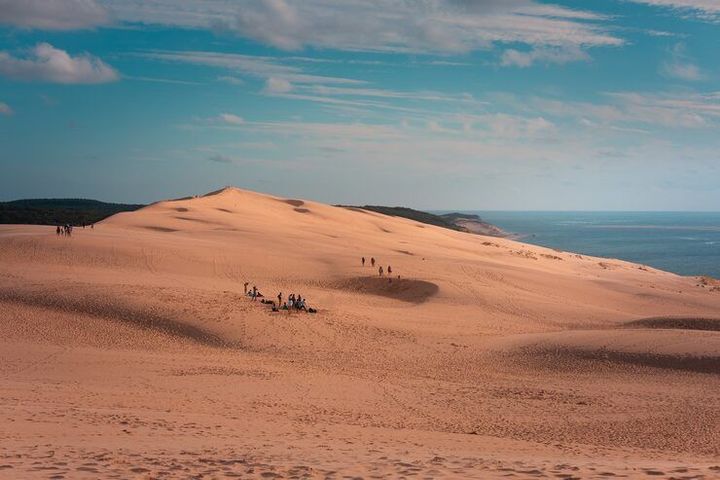
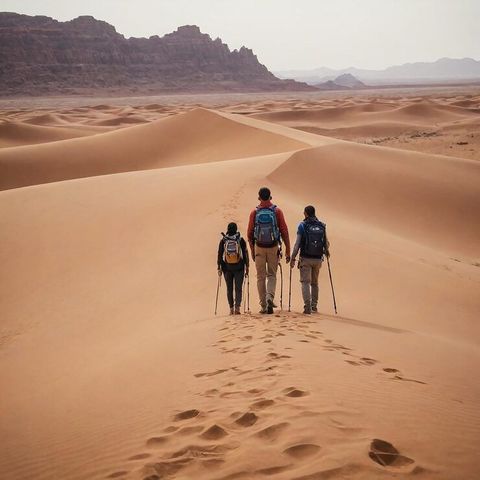
Sand dunes are the most recognizable feature of the Thar Desert. Wind deposits fine sand into hills and ridges that continuously shift shape. Some dunes are small, while others rise several meters high and stretch across large areas.
The famous dunes around Jaisalmer and Sam attract visitors because they display dramatic patterns during sunrise and sunset when the sunlight creates changing shades of gold.
Rocky Desert Terrain
Not all desert regions contain loose sand. Several areas feature rocky plateaus and exposed sandstone formations. These landscapes are especially visible around Jaisalmer, Barmer, and parts of Bikaner.
Rock formations also preserve fossils and evidence of ancient marine environments that existed millions of years ago.
Salt Lakes and Marshlands
Western Rajasthan includes important salt-producing regions such as Sambhar Lake. These landscapes combine shallow saline water, salt flats, and migratory bird habitats.
Salt lakes become particularly important during winter when thousands of birds arrive from Central Asia and other regions.
Desert Grasslands
Grasslands appear after seasonal rainfall and support grazing animals, birds, and livestock. Though they may seem dry for much of the year, these ecosystems are essential for maintaining biodiversity.
Climate and Weather in Rajasthan's Desert Region
The desert climate is defined by extreme temperature differences between seasons and between day and night.
Summer temperatures can become extremely high during the daytime, while winter nights may become surprisingly cold. Rainfall is limited and mainly occurs during the southwest monsoon between July and September.
This climate influences daily life across the desert. Traditional homes are designed to remain cool during hot afternoons, and communities often schedule outdoor work during mornings and evenings.
The dry air, clear skies, and low humidity also create excellent conditions for viewing stars at night.
Plants That Thrive in the Desert
Although rainfall is scarce, Rajasthan's desert supports a wide range of drought-resistant plants.
Native vegetation has adapted by storing water, developing deep root systems, or reducing water loss through small leaves.
Common desert plants include khejri trees, babool, cactus species, desert shrubs, and hardy grasses. The khejri tree is especially valuable because it provides shade, animal fodder, and helps improve soil fertility.
Seasonal wildflowers also bloom after monsoon rains, temporarily transforming parts of the desert into colorful landscapes.
Wildlife of Rajasthan's Desert Ecosystem
The Thar Desert supports remarkable biodiversity despite its harsh environment.
Mammals
Several mammals have adapted to desert conditions, including the Indian gazelle, desert fox, desert cat, blackbuck in nearby grasslands, and the Indian wild hare. Many species remain active during cooler hours to avoid daytime heat.
Birds
Rajasthan is famous for desert birdlife. The region supports eagles, falcons, owls, sandgrouse, vultures, and migratory species. The Great Indian Bustard, one of India's rarest birds, survives in protected desert grasslands.
Wetlands and salt lakes also attract flamingos, cranes, pelicans, and other migratory birds during winter.
Reptiles and Insects
Lizards, geckos, snakes, beetles, and scorpions have evolved to survive in sandy habitats with limited water availability. Many reptiles use camouflage to blend into desert surroundings.
Famous Desert Destinations in Rajasthan
Several regions showcase different aspects of Rajasthan's desert landscape.
Jaisalmer – The Golden Desert City
Jaisalmer is often considered the gateway to the Thar Desert. Built from yellow sandstone, the city blends naturally into the surrounding desert environment.
Nearby sand dunes offer opportunities to experience traditional desert villages, folk music, and camel routes that have existed for centuries.
Sam Sand Dunes
Located west of Jaisalmer, Sam features some of Rajasthan's most well-known dune formations. Wind continuously reshapes the dunes, creating changing patterns throughout the year.
Khuri Village
Khuri offers a quieter desert experience with traditional mud homes, village life, and smaller dune systems surrounded by local communities.
Bikaner
Bikaner's desert landscape combines sand dunes, wildlife sanctuaries, historical forts, and traditional camel culture, making it another important desert destination.
The Role of Desert Villages and Local Communities
The desert is not empty—it is home to vibrant communities with deep cultural traditions.
Villages across western Rajasthan have developed sustainable ways of living with limited water resources. Houses are often built using mud, limestone, and locally available materials that naturally regulate indoor temperatures.
Traditional occupations include animal husbandry, handicrafts, weaving, leatherwork, pottery, and farming in areas with seasonal water availability.
Community knowledge about water conservation, weather patterns, and desert ecology has been passed down through generations.
Water Conservation in the Desert
Water is the most valuable natural resource in Rajasthan's desert landscapes.
For centuries, communities created innovative systems to collect and store rainwater. Stepwells, underground tanks, ponds, and traditional reservoirs helped people survive long dry periods.
Many villages still depend on rainwater harvesting alongside modern irrigation systems.
Conservation remains important because groundwater is limited and rainfall is unpredictable.
Culture Inspired by the Desert Landscape
The desert has shaped Rajasthan's identity in many ways.
Bright clothing contrasts beautifully with sandy surroundings and reflects regional traditions. Folk music often tells stories of migration, rainfall, courage, and life in the desert.
Festivals celebrate seasonal changes and community traditions, while traditional dances and musical instruments evolved as forms of storytelling across vast open landscapes.
Local cuisine also reflects desert conditions by using ingredients that can be preserved for longer periods and require less water to prepare.
Best Time to Experience Rajasthan's Desert Landscapes
The desert changes significantly throughout the year.
Winter is generally considered the most comfortable season because daytime temperatures are pleasant and evenings remain cool. This season is also ideal for wildlife observation and cultural festivals.
After the monsoon, parts of the desert become greener as grasses and seasonal plants emerge. Summer presents dramatic desert scenery but much higher daytime temperatures.
Each season offers a different perspective on the landscape and its ecosystems.
Sustainable Tourism in Rajasthan's Desert Region
Protecting fragile desert ecosystems is becoming increasingly important.
Responsible tourism encourages visitors to respect wildlife habitats, avoid disturbing dunes, reduce plastic waste, and support local communities through traditional crafts and cultural experiences.
Many conservation efforts focus on preserving grasslands, protecting endangered bird species, restoring water bodies, and reducing environmental pressure on sensitive desert areas.
Sustainable practices help ensure that tourism benefits both nature and local livelihoods.
Environmental Challenges Facing the Desert
Rajasthan's desert landscapes face several environmental pressures.
Climate change may influence rainfall patterns, temperatures, and drought frequency. Increasing human activity can also affect wildlife habitats and natural vegetation.
Desertification in surrounding regions, groundwater depletion, invasive plant species, and habitat fragmentation remain ongoing concerns for conservationists and local communities.
Efforts involving afforestation with suitable native species, grassland restoration, and improved water management aim to protect the region's ecological balance.
Interesting Facts About Rajasthan's Desert Landscapes
The Thar Desert is one of the most densely populated deserts in the world, supporting millions of residents across villages and towns.
Desert temperatures can vary dramatically between hot afternoons and cold nights because dry air loses heat quickly after sunset.
The region contains ancient trade routes that connected India with Central Asia and the Middle East through camel caravans.
Fossils discovered in western Rajasthan indicate that parts of the desert were once covered by ancient seas millions of years ago.
Despite harsh conditions, the desert supports hundreds of species of birds, mammals, reptiles, insects, and drought-resistant plants.
Why Rajasthan's Desert Landscapes Matter Today
Rajasthan's desert landscapes are important for much more than tourism. They provide habitats for unique wildlife, preserve traditional knowledge about living sustainably in dry climates, and represent one of India's most distinctive ecological regions.
The desert also contributes to agriculture through adapted farming methods, supports renewable energy projects because of abundant sunlight, and offers valuable opportunities for ecological research and climate studies.
Understanding these landscapes helps people appreciate how natural environments influence culture, biodiversity, architecture, and resource management.
Conclusion
The desert landscapes of Rajasthan demonstrate how nature, culture, and human resilience can thrive together in an environment shaped by limited rainfall and extreme temperatures. From shifting sand dunes and ancient rock formations to colorful villages and rare wildlife, the Thar Desert offers far more diversity than its golden appearance suggests.
Its ecosystems support unique plants and animals, while local communities continue traditions that reflect centuries of adaptation to desert life. As conservation and sustainable tourism become increasingly important, protecting Rajasthan's fragile desert landscapes ensures that future generations can continue to learn from and experience one of India's most remarkable natural regions.