Industrial Fan Blades Explained: Types, Materials, Uses, and Maintenance Guide
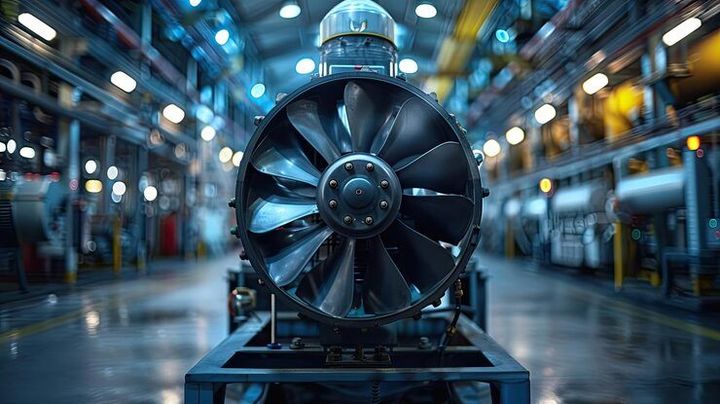
Industrial fan blades are an essential part of ventilation, cooling, air circulation, and exhaust systems used across manufacturing plants, warehouses, commercial buildings, power facilities, agricultural sites, and processing industries. While motors generate the rotational movement, the fan blades are responsible for moving air efficiently from one location to another. Their design directly affects airflow volume, pressure, energy efficiency, and overall system performance.
Every industrial environment has different airflow requirements. Some facilities need large volumes of fresh air for ventilation, while others require high-pressure airflow for dust collection, combustion systems, or cooling equipment. Industrial fan blades are designed in different shapes, sizes, and materials to meet these specific needs.
As industries continue to focus on energy efficiency, workplace safety, and environmental control, fan blade technology has become more advanced. Modern designs aim to maximize airflow while reducing power consumption, vibration, and operational noise.
Why Industrial Fan Blades Are Important in Industrial Operations
Air movement plays a major role in maintaining safe and productive industrial environments. Industrial fan blades help regulate temperatures, remove contaminants, control humidity, and improve ventilation throughout facilities. Without properly designed fan blades, many industrial systems would struggle to maintain consistent airflow.
In manufacturing facilities, fan blades help remove heat generated by machinery and production equipment. Warehouses rely on large industrial fans to circulate air and maintain comfortable working conditions. Chemical and pharmaceutical facilities use specialized fan blades for exhaust and contamination control, while agricultural operations depend on them for livestock ventilation and crop storage.
The efficiency of an industrial fan system depends heavily on blade design. A properly selected blade can reduce energy usage while delivering the required airflow. This makes fan blades an important component in sustainability initiatives and operational cost management.
Reliable airflow also contributes to equipment longevity. Cooling systems that maintain proper temperatures reduce wear on machines, electrical systems, and industrial processes that generate continuous heat.
How Industrial Fan Blades Work
Industrial fan blades operate by converting rotational energy into airflow. When connected to a rotating shaft powered by an electric motor or another drive mechanism, each blade creates pressure differences that move air through the system.
The angle, length, width, and curvature of the blades determine how much air is moved and how much pressure is generated. As the blades rotate, they pull air from one side and push it toward the desired direction.
Different fan systems are designed for different airflow characteristics. Axial fans move air parallel to the rotating shaft and are commonly used for ventilation. Centrifugal fans use rotating impellers that redirect air outward, creating higher pressure for industrial applications such as dust extraction and material handling.
Blade pitch also plays a significant role. A steeper blade angle typically increases airflow resistance but generates greater pressure, while a shallower angle often produces higher airflow volumes with lower pressure.
Common Types of Industrial Fan Blades
Industrial fan blades are available in several designs depending on airflow requirements, environmental conditions, and installation type.
Axial Fan Blades
Axial fan blades are among the most widely used industrial fan designs. These blades move air in a straight line along the fan shaft, making them suitable for ventilation, cooling towers, warehouses, and HVAC systems.
Their lightweight construction and efficient airflow make them ideal for applications requiring large air volumes over shorter distances.
Centrifugal Fan Blades
Centrifugal fan blades are designed to generate higher static pressure. Instead of moving air straight through, they redirect airflow outward from the center using curved blades inside a rotating housing.
These fans are commonly found in dust collection systems, industrial exhaust equipment, combustion air systems, and filtration units.
Backward Curved Fan Blades
Backward curved blades are designed for high efficiency and lower energy consumption. Their aerodynamic profile reduces turbulence and improves airflow consistency.
Industries often use these blades in clean air systems, ventilation equipment, and energy-efficient HVAC installations.
Forward Curved Fan Blades
Forward curved blades contain multiple small blades positioned closely together. They generate high airflow at relatively low speeds and are commonly used in air handling units and commercial ventilation equipment.
Airfoil Fan Blades
Airfoil blades are shaped similarly to aircraft wings, allowing them to move air efficiently while reducing drag and noise. They are commonly used where energy efficiency and quieter operation are priorities.
Materials Used in Industrial Fan Blade Manufacturing
The choice of blade material depends on operating temperature, humidity, chemical exposure, corrosion risk, and mechanical load.
Steel Fan Blades
Steel fan blades are known for strength and durability. They are commonly used in heavy industrial environments where high temperatures or demanding airflow conditions exist.
Galvanized or coated steel blades provide additional corrosion resistance for outdoor installations.
Aluminum Fan Blades
Aluminum blades are lightweight, corrosion-resistant, and suitable for cooling towers, ventilation systems, and food processing facilities. Their lower weight reduces motor load and improves efficiency.
Stainless Steel Fan Blades
Stainless steel blades are used in environments requiring corrosion resistance and hygiene, including pharmaceutical manufacturing, chemical processing, marine applications, and food production facilities.
Composite Fan Blades
Composite blades combine lightweight construction with corrosion resistance and strength. These materials are increasingly used in energy-efficient industrial fans because they resist chemicals, moisture, and environmental wear.
Plastic and Fiberglass Fan Blades
Plastic and fiberglass blades are commonly used in corrosive environments where metal corrosion is a concern. They are lightweight and suitable for ventilation systems in chemical plants and wastewater facilities.
Choosing the Right Industrial Fan Blade
Selecting the appropriate industrial fan blade depends on several operational and environmental factors rather than choosing a single design for every application.
Airflow requirements determine blade diameter, pitch, and rotational speed. Facilities that require high-volume ventilation typically use larger axial blades, while systems requiring pressure choose centrifugal designs.
Environmental conditions influence material selection. Corrosive chemicals, moisture, salt exposure, or food-grade environments may require stainless steel, composite, or fiberglass blades.
Temperature resistance is another important consideration. High-temperature operations require materials capable of maintaining structural stability during continuous operation.
Noise requirements also affect blade selection. Aerodynamic blade profiles help reduce sound levels in commercial buildings and occupied industrial spaces.
Energy efficiency has become a major consideration as industries aim to reduce electricity consumption through optimized blade designs and efficient airflow management.
Major Applications of Industrial Fan Blades
Industrial fan blades support a wide range of industries by maintaining airflow, cooling, ventilation, and environmental control.
Industry | Purpose of Fan Blades |
| Manufacturing | Machine cooling, ventilation, and heat removal. |
| Warehousing | Air circulation and temperature balancing. |
| Agriculture | Livestock ventilation and crop storage airflow. |
| Food Processing | Cooling production areas and maintaining air quality. |
| Chemical Plants | Exhaust ventilation and contaminant removal. |
| Mining | Dust extraction and underground ventilation. |
| Power Generation | Cooling turbines, generators, and electrical equipment. |
| HVAC Systems | Air movement within commercial and industrial buildings. |
These applications demonstrate how fan blade design changes depending on airflow direction, environmental exposure, and pressure requirements.
Factors That Influence Industrial Fan Blade Performance
Several technical characteristics affect how efficiently industrial fan blades perform in real-world operations.
Blade diameter influences the amount of air moved during each rotation. Larger blades typically generate greater airflow at lower rotational speeds.
Blade pitch affects airflow pressure and volume. Adjustable pitch blades allow airflow to be optimized for changing operational requirements.
Rotational speed determines airflow output but must remain within safe operating limits to prevent excessive vibration or wear.
Blade balance is essential for smooth operation. Poorly balanced blades create vibration that can damage bearings, motors, and supporting structures.
Aerodynamic blade shape minimizes turbulence, improving efficiency while reducing operational noise and energy consumption.
Motor compatibility also matters because blade size and weight influence motor load and overall system efficiency.
Maintenance Practices for Industrial Fan Blades
Routine maintenance helps industrial fan blades operate safely and efficiently over long periods.
Regular inspections identify cracks, corrosion, bending, loose fasteners, and signs of fatigue before they become serious problems. Cleaning blades removes dust, grease, and debris that reduce airflow performance and create imbalance.
Balancing should be checked whenever blades are replaced, repaired, or cleaned extensively. Even small weight differences can increase vibration during operation.
Lubrication of associated bearings and rotating components supports smooth operation, although lubrication requirements depend on the fan system rather than the blades themselves.
Periodic alignment checks ensure blades rotate correctly without contacting housings or protective guards. Monitoring vibration and unusual noise also helps identify maintenance needs before equipment failure occurs.
Preventive maintenance schedules improve reliability while reducing unexpected downtime in industrial facilities.
Recent Developments in Industrial Fan Blade Technology
The industrial ventilation sector has introduced several improvements over the past year as manufacturers continue focusing on energy efficiency and environmental performance.
Advanced composite materials have become more common in industrial fan blades because they reduce weight while maintaining durability in corrosive environments. Lightweight blades place less load on motors and improve overall energy efficiency.
Aerodynamic airfoil designs continue gaining adoption in ventilation systems that prioritize reduced noise and improved airflow efficiency. These designs help facilities meet stricter workplace noise standards.
Variable pitch fan blade systems are increasingly integrated with automated building management and industrial control systems. These systems adjust airflow based on temperature, humidity, or process conditions, reducing unnecessary energy use.
Smart monitoring technology is also expanding. Industrial fans equipped with vibration sensors and performance monitoring can identify imbalance, wear, or airflow reductions before maintenance issues become critical.
Sustainability initiatives across manufacturing industries have encouraged the use of recyclable materials and energy-efficient fan systems designed to reduce electricity consumption during continuous operation.
Safety Considerations for Industrial Fan Blade Systems
Industrial fan blades rotate at high speeds and require proper safety practices during installation, inspection, and maintenance.
Protective guards help prevent accidental contact with rotating blades during operation. Lockout and isolation procedures should be followed before servicing industrial fans to prevent unexpected startup.
Damaged blades should be replaced promptly because cracks or deformation can lead to imbalance and potential equipment failure. Using compatible replacement blades helps maintain airflow performance and mechanical stability.
Proper installation also ensures blades rotate in the intended direction and maintain adequate clearance inside the fan housing.
Following manufacturer maintenance schedules and workplace safety procedures reduces operational risks in industrial environments.
The Future of Industrial Fan Blades
Industrial fan blade technology continues evolving alongside automation, energy management, and sustainable manufacturing practices. Future designs are expected to become lighter, quieter, and more efficient through improved materials and aerodynamic engineering.
Digital monitoring systems will likely become standard in larger industrial ventilation installations, allowing maintenance teams to monitor airflow performance, vibration levels, and operating efficiency in real time. Predictive maintenance supported by sensors may help reduce downtime and extend equipment life.
Industries are also exploring environmentally responsible manufacturing processes, recyclable blade materials, and designs optimized for lower energy consumption without compromising airflow performance.
As industrial facilities modernize ventilation, cooling, and air quality systems, fan blades will remain a key component supporting safer workplaces, improved environmental control, and more efficient industrial operations.
Frequently Asked Questions
What is the primary function of industrial fan blades?
Industrial fan blades convert rotational energy into airflow, helping move air for ventilation, cooling, exhaust, dust collection, and temperature control in industrial environments.
Which material is commonly used for industrial fan blades?
Common materials include steel, aluminum, stainless steel, fiberglass, plastic, and composite materials. The selection depends on corrosion resistance, temperature, strength, and operating conditions.
What is the difference between axial and centrifugal fan blades?
Axial fan blades move air parallel to the rotating shaft and are typically used for ventilation. Centrifugal fan blades redirect air outward to create higher pressure for exhaust and dust collection systems.
How often should industrial fan blades be inspected?
Inspection frequency depends on operating conditions, but regular preventive maintenance helps identify corrosion, cracks, imbalance, dirt buildup, and mechanical wear before performance declines.
Why is blade balancing important?
Balanced blades reduce vibration, improve airflow efficiency, protect bearings and motors, and help extend the operating life of industrial fan systems.
Conclusion
Industrial fan blades are a critical component of industrial ventilation and airflow systems, influencing cooling efficiency, air quality, equipment performance, and workplace safety. Their design, material, and aerodynamic characteristics determine how effectively air is moved through different industrial environments.
Understanding the differences between blade types, materials, and applications helps organizations choose fan blades that match operational requirements while improving energy efficiency and reliability. Combined with regular maintenance and modern monitoring technologies, well-designed industrial fan blades support consistent airflow performance across manufacturing, agriculture, commercial buildings, chemical processing, mining, and many other industrial sectors.
As industrial technology advances, fan blade innovation continues focusing on smarter monitoring, improved aerodynamics, sustainable materials, and higher operational efficiency, making these components an important part of modern industrial infrastructure.