Industrial Gearboxes Explained: Types, Working, Applications, and Maintenance Guide (2026)
Industrial gearboxes are one of the most important mechanical components used in manufacturing, construction, mining, energy, and many other industries. They help machines operate efficiently by controlling speed, torque, and power transmission between motors and equipment. From conveyor belts in factories to wind turbines and heavy processing plants, gearboxes play a central role in keeping industrial systems running smoothly.
As industries continue adopting automation and energy-efficient machinery, industrial gearboxes have become more advanced, reliable, and easier to monitor. Understanding how these systems work can help engineers, technicians, business owners, and students make informed decisions about equipment operation and maintenance.
This guide explains industrial gearboxes in a simple and practical way, covering their working principles, types, applications, maintenance practices, and the latest developments in the industry.
What Is an Industrial Gearbox?
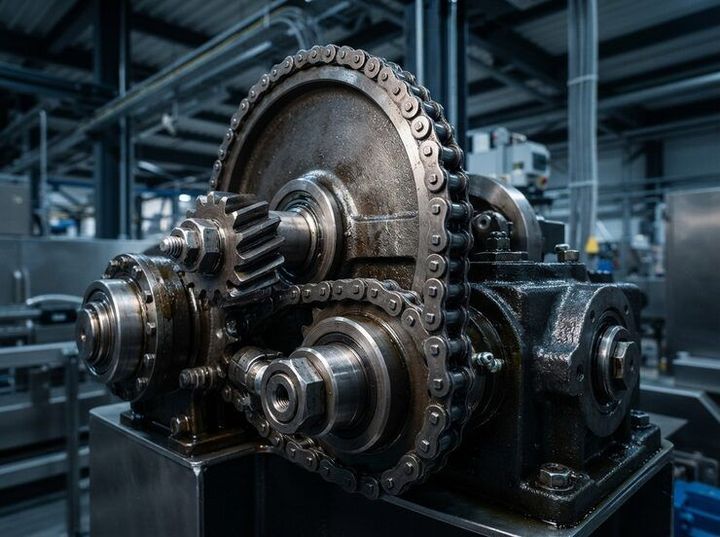
An industrial gearbox is a mechanical power transmission device that transfers rotational energy from a motor to a machine while changing speed and torque according to operational needs. It contains multiple gears enclosed inside a protective housing filled with lubricating oil.
The primary purpose of a gearbox is to reduce or increase rotational speed while increasing or decreasing torque. This allows machines to perform tasks such as lifting heavy loads, driving conveyors, mixing materials, or operating manufacturing equipment with the required force and precision.
Industrial gearboxes are designed to operate continuously under demanding conditions, including high loads, vibration, dust, moisture, and temperature variations.
Why Industrial Gearboxes Are Important
Modern industrial equipment depends on controlled power transmission. Electric motors often rotate much faster than industrial machines require, making gear reduction essential.
Industrial gearboxes provide several important advantages:
Control machine speed for different operations.
Increase torque for heavy-duty equipment.
Improve energy efficiency in power transmission.
Protect machinery from excessive mechanical stress.
Support continuous operation in industrial environments.
Enable accurate motion control in automated systems.
Without properly matched gearboxes, many industrial machines would operate inefficiently or experience excessive wear and reduced lifespan.
How Industrial Gearboxes Work
An industrial gearbox works by transmitting power through a combination of gears mounted on shafts. When the input shaft receives rotational motion from an electric motor or engine, gears transfer that motion to the output shaft at a different speed and torque.
Basic Working Process
The motor rotates the input shaft.
Input gears engage with intermediate gears.
Gear ratios reduce or increase rotational speed.
Torque changes according to the gear ratio.
The output shaft drives the connected equipment.
For example, if a motor rotates at 1500 RPM and the gearbox has a reduction ratio of 10:1, the output shaft rotates at approximately 150 RPM while producing significantly higher torque.
This controlled transmission allows machines to perform tasks requiring both precision and power.
Main Components of an Industrial Gearbox
Each gearbox contains several mechanical components working together.
Component | Purpose |
| Gear Housing | Protects internal components from dust, moisture, and impact. |
| Input Shaft | Receives rotational power from the motor. |
| Output Shaft | Transfers controlled power to industrial equipment. |
| Gears | Change speed, torque, and rotational direction. |
| Bearings | Support shafts and reduce friction during rotation. |
| Lubrication System | Reduces wear, heat generation, and friction between moving parts. |
| Seals | Prevent lubricant leakage and contamination. |
The quality of these components directly affects gearbox efficiency, durability, and maintenance requirements.
Types of Industrial Gearboxes
Different industries use different gearbox designs depending on space, torque requirements, efficiency, and operating conditions.
Helical Gearboxes
Helical gearboxes use angled teeth that engage gradually, producing smoother and quieter operation than spur gears.
Common applications include:
Manufacturing plants.
Conveyor systems.
Material handling equipment.
Packaging machinery.
They are widely used because of their efficiency, durability, and ability to handle heavy loads.
Bevel Gearboxes
Bevel gearboxes transmit power between intersecting shafts, usually at a 90-degree angle.
They are commonly found in:
Agricultural machinery.
Mining equipment.
Industrial mixers.
Automotive manufacturing systems.
Bevel gears provide efficient directional power transfer.
Worm Gearboxes
Worm gearboxes consist of a worm shaft and worm wheel. They provide high reduction ratios within compact designs.
Suitable for:
Elevators.
Lifting equipment.
Gates and doors.
Conveyor drives.
They operate quietly and provide excellent load-holding capability.
Planetary Gearboxes
Planetary gearboxes contain a central sun gear surrounded by planet gears inside a ring gear.
Advantages include:
High torque density.
Compact size.
Excellent efficiency.
Precise power transmission.
These gearboxes are widely used in robotics, wind turbines, automation equipment, and heavy industrial machinery.
Spur Gearboxes
Spur gearboxes use straight-cut gears and are one of the simplest gearbox designs.
Common uses include:
Machine tools.
Textile machinery.
Pumps.
Basic manufacturing equipment.
They are reliable for moderate-speed industrial applications.
Common Applications Across Industries
Industrial gearboxes support a wide range of machinery.
Manufacturing Industry
Manufacturing plants use gearboxes in:
Conveyor belts.
Assembly lines.
Press machines.
Injection molding equipment.
Packaging machines.
They maintain consistent production speed and reduce motor load.
Mining Industry
Mining equipment operates under extremely demanding conditions.
Gearboxes are used in:
Crushers.
Conveyors.
Excavators.
Grinding mills.
Material feeders.
These applications require high torque and rugged construction.
Cement and Construction
Construction equipment relies on gearboxes for:
Concrete mixers.
Hoists.
Crushers.
Rotary kilns.
Heavy lifting machinery.
Reliable gear reduction improves operational safety and efficiency.
Food and Beverage Processing
Gearboxes help operate:
Mixing equipment.
Filling machines.
Packaging systems.
Conveyor lines.
Processing machinery.
Many food-grade applications use specially designed lubricants and corrosion-resistant housings.
Renewable Energy
The renewable energy sector uses gearboxes in:
Wind turbines.
Solar tracking systems.
Hydroelectric equipment.
Biomass processing plants.
These systems require long operating life and minimal downtime.
How Gear Ratios Affect Performance
Gear ratio determines how speed and torque change between the motor and driven equipment.
Low Gear Ratio
A lower reduction ratio provides:
Higher output speed.
Lower torque multiplication.
Suitable operation for lighter machinery.
High Gear Ratio
A higher reduction ratio provides:
Lower output speed.
Higher torque.
Better performance for heavy industrial equipment.
Selecting the correct ratio ensures machinery operates within its designed performance range while minimizing energy loss.
Factors to Consider When Selecting an Industrial Gearbox
Choosing the right gearbox involves matching technical specifications with operational needs.
Load Requirements
Understand whether the application involves:
Constant loads.
Variable loads.
Shock loads.
Heavy starting loads.
This determines gearbox strength and design.
Speed Requirements
Consider:
Motor input speed.
Desired output speed.
Gear reduction ratio.
Proper matching improves efficiency and equipment life.
Torque Capacity
Torque requirements depend on machine size, operating conditions, and production demands. Undersized gearboxes may overheat or wear prematurely.
Operating Environment
Industrial environments vary significantly.
Important considerations include:
Dust exposure.
Moisture.
High temperatures.
Corrosive chemicals.
Outdoor installation.
Special housing materials and seals may be necessary.
Mounting Position
Gearboxes are available in:
Horizontal mounting.
Vertical mounting.
Shaft-mounted configurations.
Flange-mounted designs.
Installation orientation affects lubrication and maintenance planning.
Benefits of Modern Industrial Gearboxes
Today's industrial gearboxes offer several improvements over older designs.
Higher Energy Efficiency
Improved gear profiles reduce friction losses and improve power transmission efficiency.
Longer Equipment Life
Better materials and heat treatment increase resistance to wear and fatigue.
Reduced Noise and Vibration
Precision manufacturing creates smoother gear engagement, reducing workplace noise.
Compact Design
Modern planetary and helical gearboxes deliver higher torque in smaller sizes, supporting space-saving equipment designs.
Compatibility With Automation
Many gearboxes integrate with sensors and monitoring systems used in smart manufacturing environments.
Maintenance Best Practices for Industrial Gearboxes
Preventive maintenance helps maximize gearbox lifespan and minimize unexpected failures.
Monitor Lubrication Regularly
Lubricating oil reduces friction and removes heat from moving components.
Maintenance includes:
Checking oil levels.
Replacing oil at recommended intervals.
Using appropriate lubricant grades.
Inspecting oil contamination.
Inspect for Leaks
Oil leaks may indicate damaged seals or excessive internal pressure.
Routine inspections should include:
Shaft seals.
Housing joints.
Drain plugs.
Breather vents.
Monitor Temperature
Excessive operating temperature may indicate:
Insufficient lubrication.
Bearing wear.
Overloading.
Gear damage.
Temperature monitoring helps identify problems early.
Listen for Unusual Noise
Grinding, knocking, or whining sounds can indicate:
Gear wear.
Misalignment.
Bearing failure.
Lubrication issues.
Early detection often prevents larger mechanical failures.
Check Alignment
Misalignment between motors, couplings, and gearboxes increases vibration and accelerates wear.
Proper alignment improves efficiency and reduces maintenance costs.
Common Industrial Gearbox Problems
Even well-maintained gearboxes may develop issues during long-term operation.
Problem | Possible Cause |
| Overheating | Poor lubrication, overload, or inadequate cooling. |
| Oil Leakage | Damaged seals, worn gaskets, or excessive pressure. |
| Excessive Noise | Gear wear, bearing damage, or alignment issues. |
| Vibration | Misalignment, imbalance, or worn components. |
| Gear Tooth Wear | Contaminated lubricant or prolonged heavy loading. |
| Bearing Failure | Lubrication breakdown or excessive mechanical stress. |
Regular inspections help identify these issues before they affect production.
Recent Trends in Industrial Gearboxes (2025–2026)
Industrial gearbox technology continues evolving with automation and sustainability goals.
Smart Condition Monitoring
Manufacturers increasingly use vibration, temperature, and oil-quality sensors to monitor gearbox health in real time. Predictive maintenance reduces unexpected downtime.
Energy-Efficient Designs
New gearbox designs focus on reducing friction losses and improving overall power transmission efficiency, supporting lower industrial energy consumption.
Integration With Industrial Automation
Modern gearboxes are designed to work alongside variable frequency drives (VFDs), industrial controllers, and automated production systems for better speed control and monitoring.
Improved Materials and Manufacturing
Advanced alloys, precision machining, and surface treatments improve gear durability while reducing maintenance frequency.
Growth in Renewable Energy Applications
Wind energy, solar tracking systems, and other renewable infrastructure continue increasing demand for high-performance industrial gearboxes capable of long operating cycles.
Safety Tips for Operating Industrial Gearboxes
Safe operation helps protect both equipment and workers.
Important practices include:
Follow manufacturer operating guidelines.
Keep protective covers in place during operation.
Avoid exceeding rated torque or speed limits.
Disconnect power before maintenance or inspection.
Monitor lubrication and temperature during continuous operation.
Replace damaged seals and worn components promptly.
Maintain clean operating environments to reduce contamination.
These practices help improve equipment reliability and workplace safety.
Frequently Asked Questions
What does an industrial gearbox do?
An industrial gearbox transfers mechanical power from a motor to equipment while changing speed and torque to match operational requirements.
Which type of industrial gearbox is most commonly used?
Helical gearboxes are among the most widely used because they provide smooth operation, high efficiency, and good load-handling capability across many industries.
Why is gearbox lubrication important?
Lubrication reduces friction, minimizes wear, removes heat, protects internal components, and extends gearbox operating life.
How do I know if a gearbox needs maintenance?
Common signs include unusual noise, excessive vibration, overheating, oil leakage, contaminated lubricant, or reduced equipment performance.
Where are industrial gearboxes commonly used?
Industrial gearboxes are widely used in manufacturing, mining, construction, food processing, material handling, renewable energy, packaging, and heavy industrial machinery.
Conclusion
Industrial gearboxes are essential components that enable efficient power transmission across a wide variety of industrial machines. By controlling speed and torque, they help equipment perform demanding tasks safely and reliably in manufacturing plants, mining operations, construction sites, energy facilities, and automated production systems.
Understanding gearbox types, gear ratios, operating principles, and maintenance practices helps improve equipment performance and reduce unexpected downtime. As industrial technology advances through automation, predictive maintenance, and energy-efficient designs, modern industrial gearboxes continue becoming smarter, more durable, and better suited for today's high-performance industrial environments.
For businesses, engineers, technicians, and students, a solid understanding of industrial gearboxes provides valuable knowledge for selecting appropriate systems, maintaining reliable machinery, and supporting long-term operational efficiency.