Jump to a Chapter

Coating Machines: Types, Working, Applications and Selection Guide

Coating Machines: Types, Working, Applications and Selection Guide

Coating machines are specialized industrial systems used to apply a controlled layer of material onto the surface of a product, component, sheet, film, paper, or other substrate. The coating may be applied to improve appearance, durability, protection, adhesion, chemical resistance, electrical performance, or functional properties.

Modern manufacturing uses coating equipment across many industries, including packaging, electronics, automotive production, construction materials, pharmaceuticals, textiles, paper processing, and industrial components. Although coating processes can appear simple, achieving a consistent layer requires careful control of material flow, substrate movement, temperature, pressure, drying, and application speed.

Understanding the basic principles of coating machines can help manufacturers, engineers, technicians, and students recognize which equipment and process characteristics are appropriate for different applications.

What Is a Coating Machine?

A coating machine is equipment designed to distribute a coating material evenly over a specified surface. Depending on the application, the coating material can be liquid, powder, paste, adhesive, resin, paint, protective compound, or another formulation.

The machine generally controls how much material reaches the substrate and how evenly it is distributed. Some systems use rollers, spray nozzles, blades, slots, or other application mechanisms. After application, the coated material may pass through drying, curing, cooling, or finishing stages.

The main objective is not simply to cover a surface. Industrial coating processes often require precise coating thickness, uniform coverage, strong adhesion, smooth finishing, and consistent performance throughout production.

How Do Coating Machines Work?

The working principle varies according to machine design and coating method, but most systems follow a similar sequence.

First, the substrate is prepared and positioned for processing. Surface preparation can include cleaning, drying, smoothing, or treating the material to improve coating adhesion.

Next, the coating material is supplied to the application system. Pumps, tanks, reservoirs, metering systems, or feeding mechanisms may regulate the material flow.

The application mechanism then distributes the coating over the substrate. Rollers can transfer a controlled layer, spray systems can atomize the material, and slot-based systems can deliver coating through a narrow opening.

The coated substrate may then enter a drying or curing section. Heat, air circulation, ultraviolet energy, or other controlled conditions can be used depending on the coating formulation.

Finally, the finished material may be cooled, inspected, wound, cut, assembled, or transferred to another manufacturing stage.

Major Types of Coating Machines

Different coating machines are designed around different materials, surfaces, production speeds, and coating requirements.

Roll Coating Machines

Roll coating systems use rotating rollers to transfer coating material onto a substrate. They are widely used for continuous materials such as metal sheets, films, paper, foils, and boards.

The spacing, speed, pressure, and surface characteristics of the rollers can influence the final coating thickness and appearance. Roll coating is particularly useful when manufacturers need consistent coverage across large surface areas.

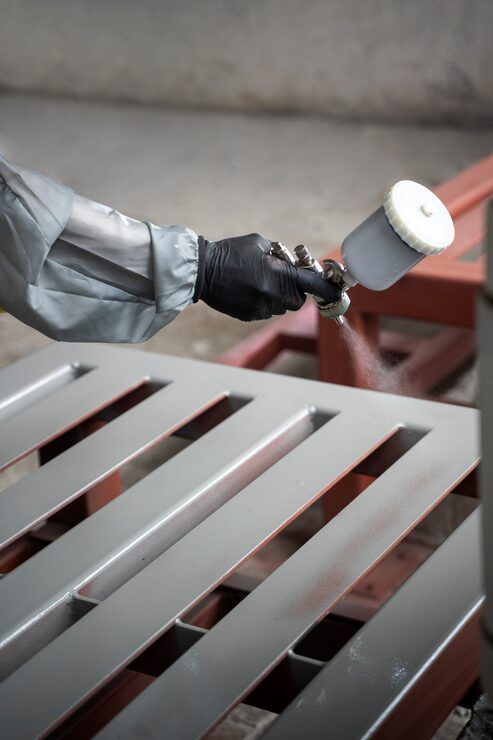
Spray Coating Machines

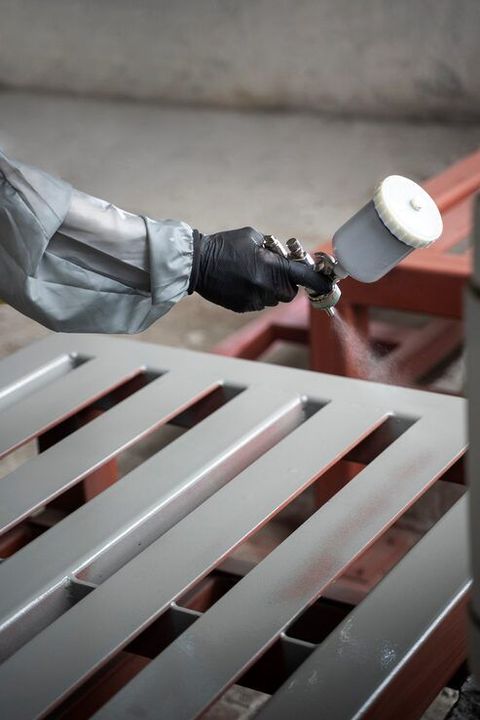
Spray coating equipment uses nozzles to distribute coating material over a surface. The material can be atomized into droplets and directed toward the target area.

Automated spray systems can provide consistent coverage while controlling spray patterns, flow rates, and application movement. They are commonly used for components with complex shapes where conventional roller methods may not be suitable.

Powder Coating Machines

Powder coating systems apply dry powder to suitable surfaces, commonly metal components. The powder is deposited onto the surface and subsequently cured under controlled conditions.

This process can create a durable surface layer and is frequently associated with industrial components, appliances, automotive parts, furniture frames, and architectural products.

Blade Coating Machines

Blade coating uses a blade or similar metering element to control the amount of coating remaining on a moving substrate. Excess material is removed while a controlled layer remains on the surface.

This method has applications in paper, textiles, films, and other continuous-material processing environments.

Slot Die Coating Machines

Slot die coating delivers liquid material through a narrow slot directly onto a moving substrate. The method provides precise control over coating thickness and is used in applications where uniform and repeatable layers are important.

It is particularly relevant to advanced manufacturing processes involving films, electronics, energy-related materials, and specialty coatings.

Important Components of a Coating Machine

A coating machine consists of multiple systems that work together to maintain process consistency. The exact configuration depends on the application.

The coating supply system stores and transports the coating material. Pumps and flow controls may regulate how much material enters the application area.

The application unit is responsible for transferring the coating onto the substrate. Rollers, spray guns, blades, slots, or other mechanisms may be used.

The substrate handling system moves the material through the machine. Conveyors, rollers, unwinding systems, and winding systems help maintain controlled movement.

The drying or curing system removes solvents or moisture or activates curing reactions. Temperature, airflow, residence time, and environmental conditions can influence the result.

The control system monitors and adjusts operating parameters. Modern machines may use sensors, programmable controls, automated feedback, and monitoring interfaces to maintain consistent production conditions.

Where Are Coating Machines Used?

Coating technology has applications across many manufacturing sectors.

In the automotive industry, coatings can protect components and provide specific surface characteristics. Different coating processes may be used for vehicle parts, metal components, interior materials, and protective finishes.

In packaging, coating machines can apply functional layers to paper, films, foils, and other substrates. These layers may influence moisture resistance, barrier properties, printability, or surface performance.

The electronics industry uses specialized coating processes for films, components, and functional materials where precise layer control can be important.

In pharmaceutical manufacturing, coating equipment can be used for certain tablet and dosage-form processes, where controlled application and drying are essential.

The construction and building-materials sector uses coating systems for products that require protective, decorative, or functional surface layers.

Paper, textile, furniture, appliance, and industrial component manufacturers also use various coating technologies according to their material and performance requirements.

Factors That Affect Coating Quality

Coating quality depends on more than the machine itself. Material characteristics and operating conditions play important roles.

Coating viscosity affects how easily the material flows and spreads. A formulation that is too thick or too thin for a particular process can create uneven results.

Coating thickness must be controlled according to the intended application. Excessive or insufficient coating can affect performance, appearance, drying time, and material usage.

Substrate speed can influence how much material is deposited and how evenly the coating is distributed.

Temperature and humidity can affect viscosity, drying, curing, and adhesion, particularly for temperature-sensitive formulations.

Surface preparation is also critical. Contamination, moisture, dust, or poor surface characteristics can reduce adhesion and create defects.

Regular inspection helps identify issues such as streaks, bubbles, pinholes, uneven thickness, poor adhesion, or incomplete curing.

How to Choose the Right Coating Machine

Selecting coating equipment starts with understanding the material and production requirements rather than choosing a machine based only on output capacity.

Consider the type of substrate, coating formulation, required thickness, surface geometry, production speed, drying requirements, and level of automation.

The desired finish is also important. A smooth continuous film may require a different application method from a textured protective layer or a coating applied to a complex component.

Manufacturers should also consider process control, maintenance requirements, cleaning procedures, equipment compatibility, available floor space, and integration with existing production lines.

For continuous manufacturing, consistency and control are especially important because small variations repeated over long production runs can affect a large quantity of finished material.

Maintenance and Process Control

Regular maintenance helps coating equipment operate reliably. Application components should be inspected for wear, buildup, blockages, or alignment problems. Pumps, rollers, nozzles, filters, sensors, and moving parts may require routine inspection according to the machine design.

Cleaning is particularly important when coating materials can dry or accumulate inside application systems. Poor cleaning can change material flow and contribute to coating defects.

Process records can also help identify recurring problems. Monitoring coating thickness, substrate speed, temperature, pressure, and material flow can make it easier to understand changes in production quality.

Conclusion

Coating machines play an important role in modern manufacturing by applying controlled layers to improve the functional or surface characteristics of different materials and components. Roll, spray, powder, blade, and slot die systems each serve different processing requirements.

The right coating approach depends on the substrate, coating material, required thickness, production conditions, drying or curing method, and desired surface performance. Understanding these fundamentals makes it easier to evaluate coating processes and identify the equipment characteristics needed for consistent results.

As manufacturing becomes increasingly automated, coating systems are also incorporating more precise controls, sensors, monitoring technologies, and integrated production systems. These developments can help manufacturers maintain repeatable coating quality while adapting equipment to increasingly specialized applications.

author-image

Zephyra

I am a creative and detail-oriented Content Writer passionate about producing clear, engaging, and informative content for digital audiences.

October 06, 2026 . 8 min read