Electric Vehicle Charging Stations: Types, Infrastructure, Policies, and 2026 Guide
Electric vehicle charging stations have become an essential part of the transition toward cleaner transportation. As more people switch to electric vehicles (EVs), reliable charging infrastructure helps drivers keep their vehicles powered for everyday travel and long-distance journeys.
Understanding how electric vehicle charging stations work helps drivers make informed decisions about charging habits, travel planning, and vehicle ownership. Whether you are considering buying an electric vehicle or simply want to learn about EV charging technology, this guide explains everything in simple, practical language.
What Is an Electric Vehicle Charging Station?
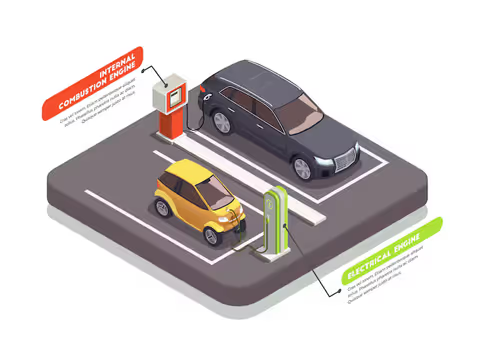
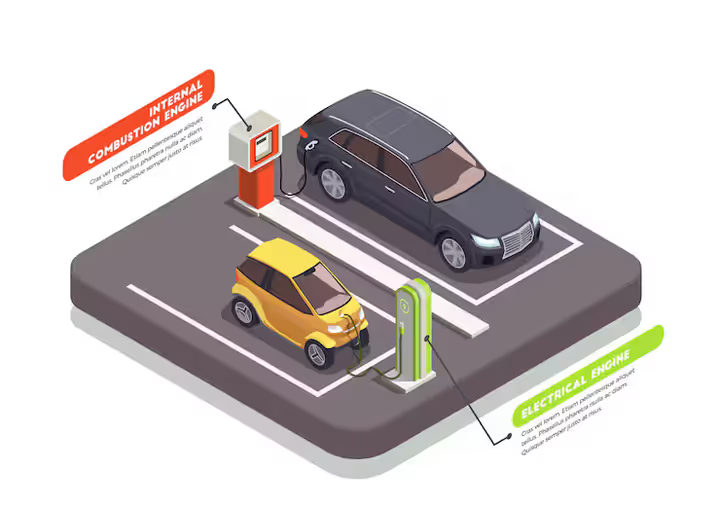
An electric vehicle charging station is a device that supplies electricity to recharge an electric vehicle's battery. Instead of filling a fuel tank with gasoline or diesel, EV drivers connect their vehicle to a charging station using a compatible charging connector.
Charging stations convert electrical power into a form that an EV battery can safely receive. Depending on the charger type, charging can take anywhere from a few hours to less than an hour for many vehicles.
Charging stations are available in several locations, including:
Residential homes.
Apartment buildings.
Office parking areas.
Shopping centers.
Hotels.
Highway rest stops.
Public parking facilities.
Together, these charging points create a network that supports local commuting as well as long-distance travel.
Why Electric Vehicle Charging Stations Matter Today
Charging stations play a critical role in the transition toward cleaner transportation. Without convenient charging infrastructure, electric vehicle adoption becomes much more difficult.
The growing importance of EV charging stations is driven by several factors:
Supporting the Growth of Electric Vehicles
As more manufacturers introduce electric cars, SUVs, motorcycles, buses, and commercial vehicles, charging demand increases across cities and highways.
Reducing Dependence on Fossil Fuels
Electric vehicles help reduce reliance on conventional fuels by using electricity as their primary energy source.
Encouraging Sustainable Transportation
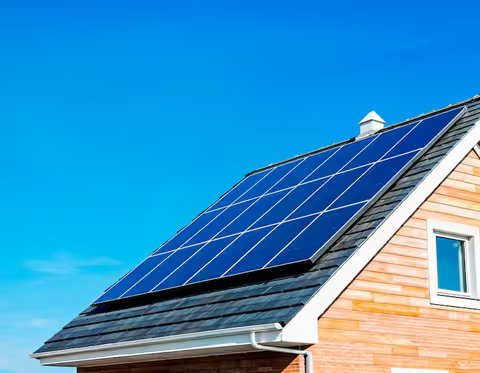
Charging infrastructure supports cleaner transportation systems and can work alongside renewable energy sources like solar and wind power.
Making Long-Distance Travel Easier
Fast charging stations along highways help reduce range anxiety by allowing drivers to recharge during road trips.
How Electric Vehicle Charging Stations Work
The charging process is straightforward from a user's perspective, but several components work together behind the scenes.
Step 1: Connect the Vehicle
The driver plugs a compatible charging connector into the vehicle's charging port.
Step 2: Communication Begins
The charger and vehicle exchange information to verify compatibility and determine safe charging limits.
Step 3: Power Delivery
Electricity flows from the power source through the charging station into the battery.
Step 4: Battery Management
The vehicle's battery management system controls charging speed, temperature, and battery health.
Step 5: Charging Ends
Charging automatically slows or stops when the battery reaches the desired level or full capacity.
Types of Electric Vehicle Charging Stations
Different charging stations provide different charging speeds and are designed for specific use cases.
Level 1 Charging
Level 1 charging uses a standard household electrical outlet.
Best for:
Overnight home charging.
Low daily driving distances.
Plug-in hybrid vehicles.
Advantages:
No specialized equipment is required in many homes.
Convenient for regular overnight charging.
Limitations:
Slow charging speed.
Not ideal for frequent long-distance drivers.
Level 2 Charging
Level 2 charging uses dedicated charging equipment connected to higher-voltage electrical circuits.
Best for:
Homes with dedicated EV chargers.
Offices.
Apartment parking.
Public destinations.
Advantages:
Faster than Level 1 charging.
Suitable for daily charging needs.
Commonly installed in residential garages.
DC Fast Charging
DC fast chargers supply direct current directly to the battery, significantly reducing charging time.
Best for:
Highway travel.
Commercial fleets.
Public charging hubs.
Advantages:
Much faster charging.
Helpful during long journeys.
Supports rapid battery replenishment.
Limitations:
Higher power requirements.
Not every EV supports the same maximum charging speed.
AC Charging vs DC Charging
AC Charging | DC Charging |
| Electricity is converted inside the vehicle. | Electricity is converted inside the charging station. |
| Common for home and workplace charging. | Common for public fast charging stations. |
| Moderate charging speed. | High-speed charging. |
| Better suited for overnight charging. | Better suited for travel and quick charging stops. |
Both charging methods are important because they serve different driving habits and charging situations.
Where Can You Find EV Charging Stations?
Charging infrastructure is expanding rapidly across urban and rural areas.
Home Charging Stations
Home charging remains the most common option for EV owners because vehicles can recharge overnight.
Benefits include:
Daily convenience.
Controlled charging schedules.
Reduced need for public charging.
Public Charging Stations
Public chargers are available in locations where vehicles remain parked for shopping, dining, or recreation.
Examples include:
Retail centers.
Public parking garages.
Municipal parking lots.
Entertainment venues.
Workplace Charging
Many organizations provide charging stations for employees and visitors.
Workplace charging supports:
Daily commuting.
Reduced charging pressure at home.
Longer battery replenishment during work hours.
Highway Fast Charging Stations
Fast charging corridors connect cities and regions, making long-distance EV travel more practical.
These stations are often located near highways, service areas, and travel plazas.
Main Components of an EV Charging Station
A charging station includes several important components that ensure safe and reliable charging.
Charging Connector
The connector physically links the charger to the vehicle.
Different regions and vehicle manufacturers may use different connector standards.
Charging Cable
Transfers electricity between the station and the vehicle.
Power Control Unit
Manages voltage, current, and charging safety.
Communication System
Allows the charger and vehicle to exchange charging information.
Payment or Authentication System
Some public charging stations require authentication through mobile apps, cards, or other approved methods.
Factors That Affect Charging Speed
Charging time varies depending on several conditions.
Battery Capacity
Larger batteries generally require more energy to charge.
Battery State of Charge
Charging is usually fastest when the battery has a lower charge level.
Charger Power Output
Higher-capacity chargers can deliver more energy if the vehicle supports it.
Vehicle Charging Capability
Every EV has a maximum charging rate determined by its onboard hardware.
Battery Temperature
Very hot or cold temperatures may temporarily reduce charging speed to protect battery health.
Benefits of Electric Vehicle Charging Stations
Charging stations provide value beyond simply powering vehicles.
Greater Convenience
Drivers have multiple charging options depending on location and schedule.
Improved Accessibility
Expanding charging networks make EV ownership practical for more communities.
Lower Environmental Impact
Electric vehicles produce no tailpipe emissions during operation, and charging infrastructure supports cleaner transportation systems.
Supporting Renewable Energy Integration
Some charging stations can work with renewable electricity sources and energy storage systems.
Economic Development
Charging infrastructure creates opportunities for businesses, property owners, and public transportation systems.
Smart EV Charging Technology
Modern charging stations include intelligent features that improve efficiency.
Scheduled Charging
Drivers can schedule charging during preferred hours.
Load Balancing
Smart chargers distribute available electricity across multiple vehicles.
Mobile App Integration
Many charging networks provide:
Charger availability.
Charging session monitoring.
Notifications when charging finishes.
Route planning assistance.
Energy Monitoring
Users can view charging history and electricity usage through connected applications.
Safety Features in EV Charging Stations
Safety is built into both vehicles and charging equipment.
Important safety features include:
Automatic power shutoff.
Ground fault protection.
Temperature monitoring.
Weather-resistant enclosures for outdoor chargers.
Secure communication between charger and vehicle.
Drivers should always use certified equipment and follow manufacturer recommendations for safe charging.
Charging at Home vs Public Charging
Home Charging | Public Charging |
| Convenient overnight charging. | Useful while traveling or away from home. |
| Consistent daily charging routine. | Faster options available at selected locations. |
| Greater control over charging schedule. | Useful for apartment residents without home chargers. |
| Ideal for regular commuters. | Important for long-distance trips. |
Many EV owners use a combination of home and public charging depending on travel needs.
Common Challenges of EV Charging Infrastructure
Although charging networks continue expanding, several challenges remain.
Availability in Some Areas
Rural and remote regions may have fewer charging stations.
Peak Charging Demand
Busy charging stations may experience waiting times during holidays or high-travel periods.
Different Charging Standards
Connector compatibility varies across regions and vehicle models.
Grid Capacity
Growing EV adoption requires continued investment in electrical infrastructure.
Recent Trends in Electric Vehicle Charging Stations (2025–2026)
The EV charging industry has evolved rapidly over the past year.
Expansion of Fast Charging Networks
Many countries have increased investments in highway charging corridors to support longer EV journeys.
Growth of Ultra-Fast Charging Technology
New charging equipment supports higher charging capacities for compatible vehicles, helping reduce charging times.
More Smart Charging Solutions
Utilities and charging providers are introducing smarter energy management systems that optimize electricity demand.
Renewable-Powered Charging Stations
Solar-powered charging stations and battery-backed charging hubs continue expanding in commercial and public locations.
Charging Infrastructure for Apartments
New residential developments increasingly include EV-ready parking spaces and shared charging facilities.
Tips for Using EV Charging Stations Efficiently
Drivers can improve charging efficiency with a few simple habits.
Charge overnight when using home chargers.
Keep charging connectors clean and protected.
Plan long trips around available charging locations.
Avoid regularly charging to full capacity unless needed for travel.
Follow vehicle recommendations for battery care.
These habits can improve convenience and help maintain long-term battery performance.
The Future of Electric Vehicle Charging Stations
Charging technology is expected to become faster, smarter, and more widely available over the next several years.
Future developments may include:
Wireless charging for compatible vehicles.
Vehicle-to-grid technology that allows EVs to interact with power grids.
AI-powered charging management systems.
More renewable-powered charging hubs.
Improved charging availability in rural and residential communities.
As governments, utilities, and private organizations continue investing in charging infrastructure, EV charging is expected to become increasingly integrated into everyday transportation.
Frequently Asked Questions (FAQs)
What is an electric vehicle charging station?
An electric vehicle charging station is equipment that delivers electricity to recharge an electric vehicle's battery safely and efficiently.
What are the different types of EV charging stations?
The three main types are Level 1 charging, Level 2 charging, and DC fast charging, each offering different charging speeds and use cases.
Can I charge an electric vehicle at home?
Yes. Many EV owners charge their vehicles at home using either a standard outlet or a dedicated Level 2 home charging station.
What affects EV charging speed?
Charging speed depends on battery size, charger capacity, battery temperature, the vehicle's charging capability, and the battery's current charge level.
Are public EV charging stations safe?
Yes. Public charging stations are designed with multiple safety systems, including automatic shutoff, fault protection, and communication between the charger and vehicle.
Conclusion
Electric vehicle charging stations are a foundational part of modern electric transportation. They make EV ownership practical by providing safe, reliable ways to recharge vehicles at home, at work, and across public charging networks. Understanding the differences between charging levels, charging speeds, connector types, and smart charging features helps drivers choose the right charging solution for their daily needs.
As charging infrastructure continues expanding through 2025 and 2026, electric vehicle charging stations are becoming more accessible, faster, and better integrated with renewable energy and smart grid technologies. This ongoing development is making electric mobility more convenient for commuters, businesses, and long-distance travelers alike while supporting the broader transition toward cleaner transportation.