Furniture Shopping Help: Guide to Choosing the Right Furniture
Furniture plays an important role in how a home looks, feels, and functions. Choosing a sofa, bed, dining table, wardrobe, desk, or storage unit may seem straightforward, but the right decision depends on several factors beyond appearance. Room size, furniture dimensions, materials, comfort, durability, maintenance, and everyday usage can all affect whether a piece works well in a particular space.
Furniture shopping help is especially useful when several options appear similar but have important differences. A practical approach starts with understanding the room and its purpose before comparing individual furniture pieces. This helps reduce mistakes and makes the shopping process more organized.
Understand Your Space Before Choosing Furniture
The first step in furniture shopping is measuring the available space. A piece that looks suitable in a showroom or product photograph may feel very different once placed inside a room.
Measure the length and width of the room and note the locations of doors, windows, electrical outlets, radiators, built-in storage, and other permanent features. Also measure entrances, stairways, elevators, and narrow passages if the furniture will need to be moved through them.
Furniture dimensions should be considered in relation to the surrounding space. A large sofa may provide comfortable seating but could make a small living room difficult to move around. Similarly, a large dining table may fit the room but leave insufficient space for chairs to be pulled out comfortably.
Creating a simple floor plan, even on paper, can help visualize how different furniture arrangements may work before making a decision.
Define the Main Purpose of the Furniture
Furniture should support the way a room is actually used. Before choosing an item, consider who will use it, how frequently it will be used, and what functions it needs to perform.
For example, a living room used for daily family activities may require durable seating and practical storage. A bedroom may need a bed, bedside storage, and sufficient wardrobe space without making the room feel crowded. A home office may require a desk with appropriate working height, storage, and enough room for equipment.
Multi-functional furniture can be useful in smaller spaces. A storage bed, extendable dining table, modular shelving unit, or compact desk can combine several functions while using available space efficiently. However, functionality should be considered alongside ease of use and long-term practicality.
Compare Furniture Materials Carefully
Material is one of the most important factors affecting furniture performance and maintenance. Different materials have different characteristics, and the appropriate choice depends on the intended use.
Solid wood furniture can provide a traditional appearance and may be suitable for many long-term applications when properly maintained. Engineered wood products can provide consistent construction and are commonly used for cabinets, shelving, desks, and other household furniture.
Metal is often used for frames, legs, shelving, and structural components. It can provide strength and a modern appearance, although the finish and construction quality still matter.
Upholstered furniture requires additional consideration. Fabric, leather, synthetic upholstery, foam, springs, and frame construction can all influence comfort and durability. For frequently used seating, examine the upholstery quality and supporting structure rather than judging the furniture only by its appearance.
Check Construction and Quality
Appearance can be helpful, but it should not be the only consideration when evaluating furniture. Examine how the piece is constructed and whether the components appear appropriate for their intended use.
For tables and desks, check whether the frame feels stable and whether the legs remain secure when gently moved. For chairs and sofas, examine the joints, frame, cushions, and supporting structure. Drawers and doors should open and close smoothly without unnecessary resistance.
For wardrobes and cabinets, look at hinges, drawer runners, handles, shelves, and back panels. Furniture with complicated mechanisms should be checked carefully to understand how those parts operate and whether they can be maintained easily.
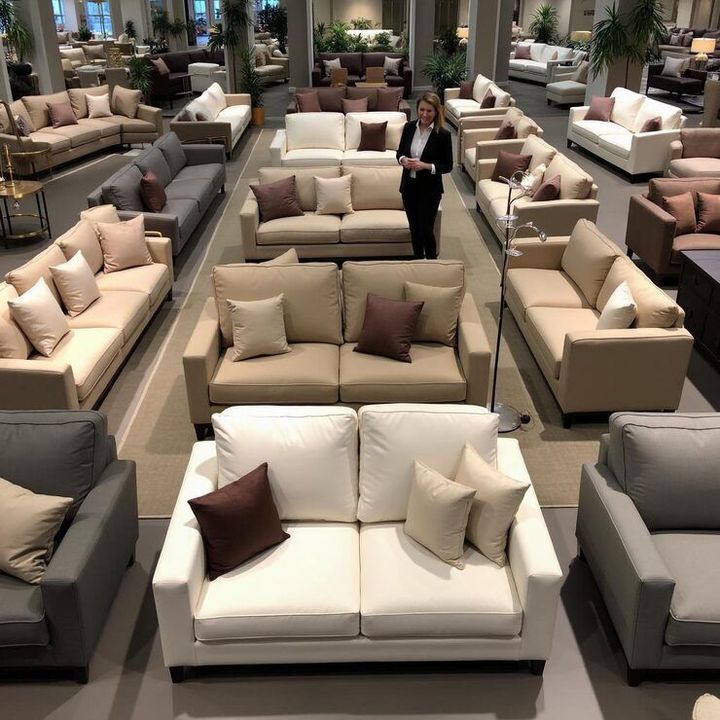
When possible, sit on seating furniture and test it in the way it will normally be used. Comfort is highly personal, so written specifications and photographs cannot always replace physical evaluation.
Consider Size, Proportion, and Room Layout
Furniture should be proportional to the room and to other items within it. A balanced arrangement generally makes a space easier to use and visually more comfortable.
Leave sufficient walking space between furniture pieces and around frequently used areas. Avoid placing furniture where doors, drawers, windows, or essential pathways cannot operate properly.
Height also matters. A very tall cabinet can dominate a small room, while low furniture may work better in spaces where an open visual effect is preferred. Similarly, a large sectional sofa may be appropriate for a spacious living area but difficult to arrange in a narrow room.
Thinking about furniture as part of the complete room rather than as an individual item can make planning easier.
Choose Furniture Based on Lifestyle and Maintenance
Furniture should match everyday habits. Homes with children, pets, frequent visitors, or heavy daily use may require different materials and construction than spaces used occasionally.
Maintenance should also be considered before choosing a material. Some surfaces are easier to clean than others. Upholstery may require regular vacuuming or specialized cleaning, while wooden surfaces may need protection from moisture and excessive sunlight.
Consider whether the furniture can realistically be maintained with the time and resources available. A visually appealing material that requires demanding maintenance may not be practical for every household.
Think About Comfort and Ergonomics
Comfort is particularly important for furniture used for long periods. Sofas, chairs, beds, desks, and office furniture should support the body appropriately.
For seating, consider seat depth, height, cushioning, back support, and armrest position. For beds, consider the size, sleeping habits, and available bedroom space. For desks and work chairs, the relationship between seat height, desk height, monitor position, and working posture can affect everyday comfort.
Ergonomics is not limited to office furniture. Any item used repeatedly should be comfortable and practical for the person using it.
Plan the Furniture Selection Process
A structured approach can make furniture shopping easier. Start by identifying the room, purpose, required dimensions, preferred material, functional requirements, and maintenance expectations. Then compare suitable furniture based on these factors rather than appearance alone.
Keep measurements available while researching furniture. Product dimensions should be checked carefully, including height, width, depth, and any additional space required when doors, drawers, recliners, or extensions are used.
It is also useful to think about delivery and installation requirements. Large furniture may require assembly, specialized handling, or sufficient access through doors and hallways. Planning these details early can prevent practical problems later.
Common Furniture Shopping Mistakes
One common mistake is choosing furniture before measuring the room. Another is focusing heavily on appearance while overlooking comfort, construction, or maintenance.
Buying too much furniture can make a room difficult to navigate, while choosing pieces that are too small can leave storage or seating needs unmet. It is also easy to overlook how different furniture pieces will work together.
Another frequent issue is failing to check dimensions carefully. Product photographs can make furniture appear larger or smaller than it actually is. Always rely on stated measurements and compare them with the available space.
Conclusion
Good furniture shopping starts with understanding your space, lifestyle, comfort requirements, and practical needs. Measurements, materials, construction quality, room layout, maintenance, and usability should all be considered before making a decision.
Instead of selecting furniture based only on appearance, evaluate how each piece will function in everyday life. A thoughtful approach can help create rooms that are comfortable, organized, practical, and suited to the people who use them.