Modern Modular Kitchen Designs: Complete Guide to Layouts, Materials, Styles, and Smart Storage
A kitchen is one of the most important spaces in any home. It is where meals are prepared, families gather, and daily routines begin and end. Over the years, modular kitchen designs have become a popular choice because they combine functionality, organization, and modern aesthetics into a single space.
Unlike traditional kitchens, modular kitchens are built using pre-designed cabinet units or modules that fit together to create a customized layout. This approach makes kitchens more efficient, easier to maintain, and adaptable to different home sizes and lifestyles.
This guide explains everything you need to know about modular kitchen designs, from layouts and materials to storage solutions, finishes, and planning tips.
What Is a Modular Kitchen?
A modular kitchen is a kitchen system made from individual cabinet modules that are manufactured separately and assembled on-site. These modules include base cabinets, wall cabinets, drawers, pantry units, corner storage, and appliance cabinets.
The design focuses on maximizing available space while keeping cooking, storage, and cleaning areas organized. Since every module has a specific purpose, the kitchen becomes easier to use and maintain.
Key features of a modular kitchen include:
Customized cabinet layouts.
Built-in storage solutions.
Organized work zones.
Easy installation and replacement of modules.
Modern appearance with multiple design options.
This flexibility makes modular kitchens suitable for apartments, independent homes, villas, and compact urban spaces.
Why Modular Kitchen Designs Are Popular Today
Modern lifestyles have increased the demand for kitchens that save time, reduce clutter, and improve workflow. Modular kitchens meet these expectations by offering practical storage and efficient layouts.
Some of the main reasons for their popularity include:
Better space utilization in small and large homes.
Cleaner and more organized cooking areas.
Easy integration of appliances like ovens, chimneys, dishwashers, and microwaves.
Wide range of colors, finishes, and materials.
Easier maintenance compared to traditional fixed cabinetry.
As homes become smarter and more compact, modular kitchen designs continue evolving with innovative storage systems and durable materials.
Types of Modular Kitchen Layouts
Choosing the right kitchen layout depends on available space, cooking habits, and household size.
1. L-Shaped Modular Kitchen
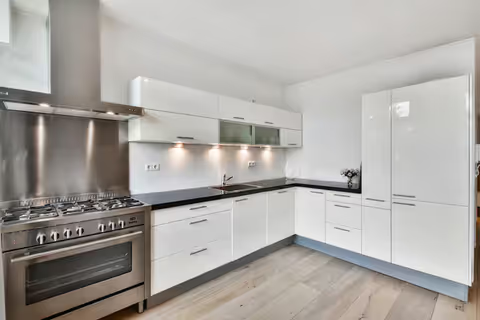
The L-shaped kitchen uses two adjoining walls to create an open workspace.
Best for:
Small and medium-sized homes.
Open-plan living spaces.
Homes with limited floor area.
Benefits include smooth movement between cooking, washing, and preparation zones while leaving space for dining or movement.
2. U-Shaped Modular Kitchen
A U-shaped layout surrounds the user on three sides.
Best for:
Medium to large kitchens.
Families that cook frequently.
Advantages include abundant storage, larger countertops, and clearly separated work zones.
3. Parallel Modular Kitchen
Also called a galley kitchen, this layout places cabinets on two opposite walls.
Best for:
Narrow kitchens.
Apartments.
Efficient cooking workflows.
The design keeps preparation and cooking areas within easy reach.
4. Straight Modular Kitchen
Everything is arranged along a single wall.
Best for:
Studio apartments.
Compact homes.
Minimalist interiors.
Although compact, proper storage planning makes this layout highly functional.
5. Island Modular Kitchen
An island kitchen includes a central countertop separate from the main cabinets.
Best for:
Spacious homes.
Open kitchens.
Families who entertain guests.
Kitchen islands can provide additional storage, seating, or food preparation space.
Popular Modular Kitchen Design Styles
Kitchen style influences the overall appearance of a home. Different interior themes work well with modular cabinetry.
Modern Modular Kitchen
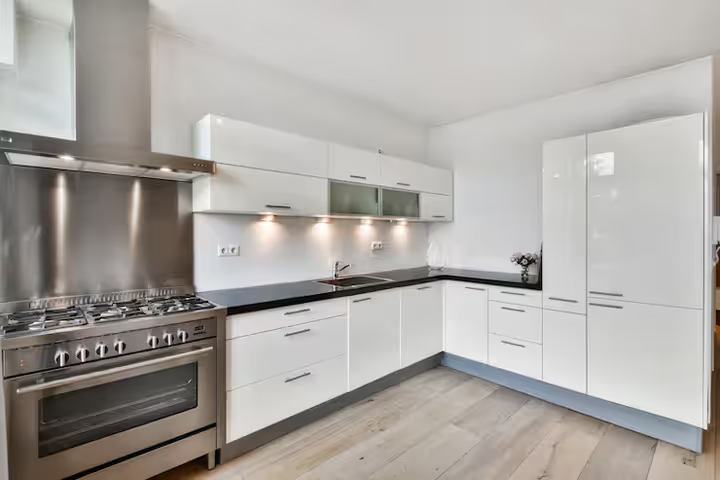
Modern kitchens feature clean lines, minimal handles, neutral colors, and sleek finishes.
Common characteristics include:
Matte finishes.
Hidden storage.
Built-in appliances.
Minimal decoration.
Contemporary Modular Kitchen
Contemporary kitchens mix modern design with current trends.
Features include:
Bold accent colors.
Mixed materials.
Open shelves.
Stylish lighting.
Minimalist Modular Kitchen
Minimalist kitchens focus on simplicity and functionality.
Characteristics include:
Flat cabinet doors.
Neutral color palette.
Maximum storage with minimal visual clutter.
Clean surfaces.
Scandinavian Kitchen Design
Inspired by Nordic interiors, Scandinavian kitchens prioritize brightness and natural textures.
Typical features include:
White cabinetry.
Wooden finishes.
Soft lighting.
Functional open spaces.
Traditional Modular Kitchen
Traditional modular kitchens combine classic cabinet designs with modern storage systems.
They often include:
Decorative cabinet panels.
Warm wood tones.
Elegant hardware.
Spacious storage units.
Choosing the Right Materials for Modular Kitchen Cabinets
Cabinet material affects durability, maintenance, and appearance.
Plywood
Plywood is widely used because it is strong, moisture-resistant, and durable when properly finished.
Suitable for:
High-use kitchens.
Humid environments.
Long-term durability.
MDF (Medium Density Fiberboard)
MDF provides a smooth surface for painted or laminated finishes.
Best suited for:
Decorative cabinet shutters.
Contemporary designs.
Particle Board
Particle board is commonly used for budget-friendly kitchen modules.
It works well in dry environments but requires proper protection from moisture.
PVC Modular Kitchen
PVC cabinets are lightweight and resistant to moisture.
Suitable for:
Compact kitchens.
Utility kitchens.
Areas with higher humidity.
Stainless Steel Cabinets
Steel modular kitchens are known for durability and hygiene.
Common applications include:
Commercial kitchens.
Modern industrial-style homes.
Best Finishes for Modular Kitchen Designs
The cabinet finish determines both appearance and maintenance needs.
Laminate Finish
A popular choice because it is durable, easy to clean, and available in many textures and colors.
Acrylic Finish
Acrylic cabinets provide a glossy, reflective surface that creates a premium modern look.
Matte Finish
Matte finishes reduce fingerprints and provide a sophisticated appearance.
PU Painted Finish
Polyurethane-painted cabinets offer smooth surfaces with customizable colors.
Veneer Finish
Natural wood veneer gives cabinets a warm and elegant wooden appearance.
Smart Storage Ideas for Modular Kitchens
Storage is one of the biggest advantages of modular kitchens.
Corner Storage Units
Corners often waste valuable space. Modern corner mechanisms make these areas accessible.
Examples include:
Carousel shelves.
Pull-out corner baskets.
Magic corner units.
Tall Pantry Units
Vertical pantry cabinets help organize groceries, spices, and dry foods while saving floor space.
Pull-Out Drawers
Deep drawers make utensils, cookware, and containers easier to access than traditional shelves.
Drawer Organizers
Internal organizers keep cutlery, spices, plates, and kitchen tools neatly separated.
Overhead Cabinets
Wall cabinets provide additional storage without occupying floor space.
Under-Sink Storage
Special organizers utilize plumbing space for cleaning supplies and waste bins.
Modular Kitchen Color Combinations
Kitchen colors influence brightness and visual space.
Popular combinations include:
White and wood.
Grey and white.
Black and wood.
Beige and brown.
Navy blue and white.
Olive green with natural wood.
Lighter colors make smaller kitchens feel larger, while darker shades create depth and contrast.
Countertop Options for Modular Kitchens
Countertops should balance durability, maintenance, and appearance.
Common choices include:
Granite
Durable surface.
Heat resistant.
Easy maintenance.
Quartz
Non-porous material.
Modern appearance.
Available in multiple patterns.
Marble
Elegant appearance.
Suitable for decorative kitchens.
Requires regular maintenance.
Solid Surface
Seamless joints.
Smooth finish.
Easy repairs in some cases.
Essential Modular Kitchen Accessories
Accessories improve convenience and organization.
Useful additions include:
Cutlery trays.
Bottle pull-outs.
Spice organizers.
Plate holders.
Pull-out baskets.
Waste segregation bins.
Appliance garages.
Corner carousel units.
Choosing accessories based on cooking habits improves everyday usability.
Lighting Ideas for Modular Kitchen Designs
Proper lighting improves both functionality and ambiance.
Task Lighting
Installed under wall cabinets to illuminate countertops.
Ambient Lighting
Provides overall kitchen brightness through ceiling lights.
Accent Lighting
Highlights shelves, glass cabinets, or decorative areas.
Natural Lighting
Large windows and ventilation make kitchens brighter and reduce moisture buildup.
Ventilation in a Modular Kitchen
Good ventilation keeps the kitchen comfortable and reduces smoke, heat, and odors.
Important ventilation features include:
Chimney installation.
Exhaust fan placement.
Windows for cross ventilation.
Proper airflow around cooking areas.
A well-ventilated kitchen also helps maintain cabinet durability over time.
How to Plan a Modular Kitchen Efficiently
Planning before installation improves long-term functionality.
Understand the Kitchen Work Triangle
The three primary work zones are:
Refrigerator.
Sink.
Cooking stove.
Keeping these zones within comfortable distance improves movement while cooking.
Measure Available Space Carefully
Consider:
Wall dimensions.
Window locations.
Door openings.
Electrical points.
Plumbing connections.
Accurate measurements help avoid installation issues.
Prioritize Storage Needs
Think about daily kitchen items, cookware size, pantry requirements, and appliance storage before selecting cabinet modules.
Keep Frequently Used Items Accessible
Store commonly used utensils and ingredients near preparation and cooking areas for convenience.
Modular Kitchen Designs for Small Spaces
Small kitchens benefit from thoughtful planning more than large kitchens.
Practical ideas include:
Ceiling-height cabinets.
Foldable countertops.
Sliding cabinet doors where appropriate.
Vertical storage racks.
Multi-purpose drawers.
Built-in appliances to reduce clutter.
Light colors and reflective finishes can also make compact kitchens appear more spacious.
Modular Kitchen Designs for Large Homes
Larger kitchens allow more customization.
Popular features include:
Kitchen islands.
Breakfast counters.
Separate pantry areas.
Appliance towers.
Open shelving combined with closed storage.
Dedicated baking or coffee stations.
Large kitchens can separate cooking, serving, and storage zones without reducing accessibility.
Maintenance Tips for Modular Kitchen Cabinets
Regular maintenance helps preserve appearance and functionality.
Helpful practices include:
Clean cabinet surfaces with soft cloths.
Remove oil stains promptly.
Avoid excessive water exposure on cabinet edges.
Keep hinges and drawer channels clean.
Ensure proper ventilation to reduce moisture buildup.
Organize heavy utensils in stronger lower cabinets.
Routine cleaning prevents dirt accumulation and extends cabinet life.
Common Mistakes to Avoid in Modular Kitchen Design
Planning mistakes can reduce functionality even in beautiful kitchens.
Avoid:
Ignoring workflow between sink, stove, and refrigerator.
Installing insufficient lighting.
Choosing storage without considering daily needs.
Overcrowding countertops.
Selecting materials unsuitable for humid environments.
Forgetting electrical outlets for appliances.
Blocking natural ventilation.
Careful planning helps create a kitchen that remains practical for years.
Modular Kitchen Trends in Recent Years
Kitchen design trends continue evolving with changing lifestyles.
Recent developments include:
Matte cabinet finishes becoming increasingly popular.
Handleless cabinets for cleaner aesthetics.
Smart storage systems with pull-out organizers.
Sustainable materials and eco-friendly finishes.
Built-in charging stations and smart appliances.
Warm neutral color palettes replacing all-white kitchens.
Mixed wood and solid-color cabinet combinations.
These trends focus on improving both visual appeal and everyday functionality rather than adding unnecessary decoration.
Is a Modular Kitchen Right for Every Home?
Modular kitchens work well in most residential spaces because they can be customized for different layouts and storage needs. Whether the kitchen is compact or spacious, modular systems provide flexibility that traditional fixed cabinetry often cannot.
The ideal design depends on available space, family size, cooking habits, storage requirements, and interior style preferences. A thoughtful layout and durable materials usually matter more than choosing the most complex design.
Conclusion
Modular kitchen designs combine practicality, organization, and modern aesthetics into a space that supports everyday living. With customizable layouts, efficient storage, durable materials, and a wide variety of finishes, they can be adapted to almost any home size or interior style.
The best modular kitchen is not defined by appearance alone. It is one that makes cooking easier, keeps essentials organized, provides sufficient storage, and remains comfortable to use over time. By carefully planning layout, materials, lighting, ventilation, and storage, homeowners can create a kitchen that is both visually appealing and highly functional for daily life.