Industrial Electrical Tools: Complete Guide to Types, Uses, Safety & Maintenance
Industrial electrical tools play a vital role in manufacturing plants, construction sites, maintenance workshops, power distribution systems, and industrial automation facilities. These tools help electricians, technicians, and engineers install, repair, test, and maintain electrical systems safely and efficiently. As industries continue to adopt automation, renewable energy systems, and smart manufacturing technologies, the importance of reliable electrical tools continues to grow.
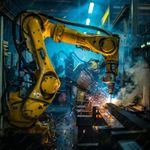
As industries become more automated and electrically powered, the demand for reliable electrical tools continues to grow. Modern manufacturing plants depend on complex electrical systems that power machinery, robotics, lighting, motors, sensors, and automation equipment. Using the right tools not only improves productivity but also reduces the risk of electrical faults, equipment damage, and workplace accidents.
This guide explains industrial electrical tools in simple language, covering their purpose, major categories, applications, safety practices, maintenance methods, and recent developments shaping the industry.
Understanding Industrial Electrical Tools
Industrial electrical tools are specialized hand tools, measuring instruments, and powered devices designed for electrical installation and maintenance in industrial environments. Unlike household electrical tools, industrial tools are built to withstand demanding working conditions, higher electrical loads, and continuous professional use.
These tools help workers perform tasks such as cutting electrical cables, stripping insulation, tightening terminals, measuring voltage, identifying faults, installing conduits, and testing electrical equipment. They are commonly used by electricians, maintenance engineers, electrical contractors, automation technicians, and industrial service teams.
Modern industrial electrical tools are often insulated, ergonomically designed, and compliant with electrical safety standards to reduce exposure to electrical hazards.
Why Industrial Electrical Tools Matter in Modern Industries
Industrial facilities rely on uninterrupted electrical systems to keep production running. A single electrical fault can stop machinery, reduce productivity, or damage expensive equipment. Proper electrical tools help technicians diagnose and fix problems quickly while maintaining workplace safety.
Electrical tools also improve installation quality. Accurate measurements, secure cable connections, and proper insulation reduce the chances of overheating, short circuits, and equipment failure. In industries where precision is important, even a small wiring error can affect automation systems or production processes.
As factories adopt smart manufacturing, renewable energy systems, and electric machinery, electrical maintenance has become more complex. Advanced tools now include digital displays, wireless connectivity, and automated testing functions to support modern industrial operations.
Main Types of Industrial Electrical Tools
Industrial electrical tools can be grouped into several categories based on their purpose.
Hand Tools for Electrical Work
Hand tools are the foundation of electrical installation and maintenance. They are designed for manual operations while providing insulation and grip for safer handling.
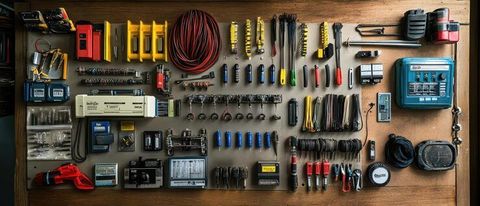
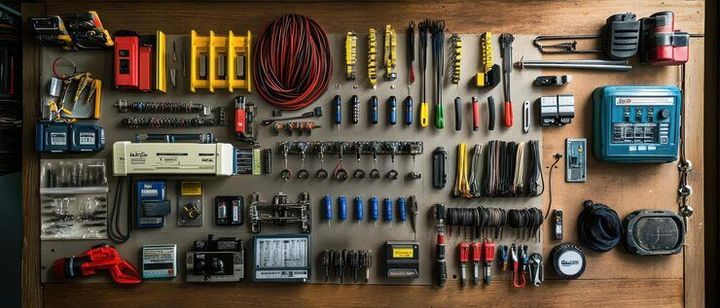
Common industrial hand tools include insulated screwdrivers, combination pliers, long-nose pliers, diagonal cutting pliers, cable cutters, wire strippers, crimping tools, utility knives, and insulated wrenches. These tools help electricians assemble wiring systems, connect terminals, prepare cables, and perform equipment maintenance.
Insulated hand tools are especially important because they provide protection when working near energized circuits.
Measuring and Testing Tools
Electrical testing tools help technicians identify voltage, current, resistance, continuity, and circuit faults before maintenance begins.
Frequently used measuring tools include digital multimeters, clamp meters, insulation resistance testers, voltage testers, continuity testers, power quality analyzers, earth resistance testers, and phase sequence indicators.
These tools help verify electrical conditions before equipment is energized, making troubleshooting faster and safer.
Cable Installation Tools
Industrial cable installation often involves large-diameter power cables and communication wiring. Specialized tools simplify cable preparation and installation.
Examples include hydraulic cable cutters, cable pulling tools, conduit benders, cable crimpers, cable lug pressing tools, fish tapes, and cable labeling devices.
These tools ensure secure cable routing and reliable electrical connections in industrial environments.
Power Tools for Electrical Applications
Power tools increase productivity during electrical installation projects.
Common examples include cordless drills, hammer drills, impact drivers, rotary hammers, angle grinders for conduit work, oscillating multi-tools, and cable pulling winches.
Many industrial power tools now operate on rechargeable battery platforms that provide mobility without sacrificing performance.
Common Applications Across Industries
Industrial electrical tools are used in a wide variety of sectors because electricity powers nearly every industrial process.
Manufacturing Plants
Manufacturing facilities use electrical tools to install motors, connect control panels, maintain conveyor systems, troubleshoot production equipment, and service industrial lighting systems.
Construction and Infrastructure
Large construction projects require electrical tools for installing power distribution systems, switchboards, transformers, conduit systems, emergency lighting, and electrical safety equipment.
Renewable Energy Facilities
Solar power plants, wind farms, and battery storage systems require specialized electrical tools for installing panels, connecting inverters, testing insulation, and maintaining electrical connections exposed to outdoor environments.
Oil, Gas, and Heavy Industries
Electrical maintenance in heavy industries includes servicing motors, pumps, compressors, hazardous-area equipment, and power distribution systems operating under demanding conditions.
Warehouses and Commercial Buildings
Maintenance teams use electrical tools for lighting systems, backup generators, HVAC electrical components, fire alarm systems, and building automation equipment.
How to Choose the Right Industrial Electrical Tools
Selecting suitable electrical tools depends on the application, safety requirements, and working environment.
The first consideration is the voltage level of the equipment being serviced. Tools intended for industrial electrical work should have appropriate insulation ratings for the electrical systems technicians work on.
Build quality is another important factor. Industrial tools are exposed to dust, vibration, moisture, and repeated daily use, so durable materials improve reliability and service life.
Ergonomics also matter. Comfortable handles, balanced weight, and non-slip grips reduce fatigue during long maintenance shifts and improve precision.
Compatibility is equally important when working with different cable sizes, connectors, and industrial electrical components. Choosing tools designed for specific applications helps prevent installation errors.
Essential Electrical Safety Practices
Electrical safety is one of the most important aspects of industrial maintenance. Even experienced technicians follow strict procedures before working on electrical equipment.
Before beginning maintenance, technicians verify that equipment has been isolated from its power source. Testing circuits before touching conductors helps confirm that voltage is absent.
Personal protective equipment is commonly used alongside insulated tools. Depending on the task, workers may wear insulated gloves, safety helmets, protective eyewear, flame-resistant clothing, and safety footwear.
Maintaining a clean work area also improves safety. Loose cables, moisture, and metal objects near energized equipment can increase electrical risks.
Regular inspection of tools is another essential practice. Damaged insulation, worn handles, cracked meters, or faulty testing leads should be replaced immediately to reduce hazards.
Maintenance of Industrial Electrical Tools
Proper maintenance extends tool life and improves accuracy during electrical work.
Cleaning tools after use removes dust, grease, insulation particles, and moisture that may affect performance. Measuring instruments should be stored in protective cases to avoid damage.
Cutting tools require periodic inspection to ensure blades remain sharp and aligned. Dull cutting edges can damage cables and increase operator effort.
Battery-powered tools benefit from proper charging practices and storage in moderate temperatures. Keeping batteries clean and fully functional improves operating efficiency.
Calibration is especially important for testing equipment such as multimeters and insulation testers. Accurate readings help technicians diagnose electrical systems correctly and reduce maintenance errors.
Routine inspections also identify loose fasteners, damaged insulation, worn cables, and display issues before tools fail during critical work.
Recent Trends in Industrial Electrical Tools
The industrial electrical tools market has evolved significantly over the past year as industries continue investing in automation, energy efficiency, and digital maintenance technologies.
Battery-powered cordless electrical tools have become increasingly popular because they improve mobility and reduce dependence on extension cables in industrial facilities.
Digital testing instruments now provide higher measurement accuracy, larger displays, automatic range selection, and data logging features that simplify troubleshooting.
Smart diagnostic tools are becoming more common in predictive maintenance programs. These tools collect electrical measurements and help maintenance teams identify developing equipment issues before failures occur.
Industrial facilities are also adopting connected maintenance solutions where testing equipment integrates with maintenance software to store inspection records and generate maintenance reports.
Energy efficiency has also influenced tool design. Manufacturers are producing lighter tools with improved battery management systems and reduced power consumption without sacrificing performance.
Benefits of Using High-Quality Industrial Electrical Tools
Reliable industrial electrical tools improve safety, productivity, and maintenance quality across industrial operations.
Accurate tools help technicians identify electrical faults quickly, reducing equipment downtime and improving operational continuity. Durable tools also withstand demanding industrial environments, lowering replacement frequency over time.
Well-designed insulated tools reduce exposure to electrical hazards while improving confidence during maintenance work. Better grip and ergonomic design help technicians work comfortably during repetitive electrical tasks.
Modern digital tools also improve documentation by recording measurements, supporting preventive maintenance, and improving equipment inspection processes.
Overall, quality tools contribute to safer workplaces, better electrical reliability, and more efficient industrial maintenance operations.
Common Mistakes to Avoid During Electrical Work
Many electrical problems occur because tools are used incorrectly or maintenance procedures are overlooked.
Using damaged insulated tools increases electrical safety risks and should always be avoided. Choosing the wrong tool for cable size or connector type can also damage electrical components and create unreliable connections.
Skipping electrical testing before maintenance is another common mistake. Verifying voltage absence is an important safety step before handling electrical systems.
Improper storage can shorten tool life. Moisture, excessive heat, and mechanical impacts may damage measuring instruments and insulated equipment.
Finally, ignoring calibration schedules may lead to inaccurate electrical measurements that affect troubleshooting and equipment performance.
The Future of Industrial Electrical Tools
Industrial electrical tools are expected to become more intelligent, connected, and specialized as Industry 4.0 technologies continue expanding.
Artificial intelligence and predictive maintenance platforms are influencing the development of smart testing equipment capable of detecting abnormal electrical conditions automatically. Wireless measurement tools will likely become more common for monitoring energized systems from safer distances.
Augmented reality is also beginning to support electrical maintenance by helping technicians visualize wiring layouts and maintenance instructions while working on equipment.
As renewable energy systems, electric vehicles, industrial robotics, and automated manufacturing continue growing, electrical tools will play an even greater role in installation, monitoring, and long-term maintenance.
Conclusion
Industrial electrical tools are essential for building, maintaining, and troubleshooting the electrical systems that power modern industries. From insulated hand tools and cable installation equipment to advanced digital testing instruments, each tool serves a specific purpose in ensuring safe and reliable electrical operations.
Choosing the correct tools, following proper safety procedures, and maintaining equipment regularly help improve productivity while reducing electrical risks and equipment downtime. As industrial automation, renewable energy, and smart manufacturing continue advancing, electrical tools are evolving to provide greater accuracy, connectivity, and efficiency.
Understanding how these tools work and where they are used helps technicians, engineers, students, and industrial maintenance teams perform electrical tasks more safely and effectively in today's increasingly electrified industrial environment.