Industrial Lubrication Products: Complete Guide to Types, Uses, Benefits, and Selection
Industrial lubrication products play an essential role in keeping machines, equipment, and industrial systems operating efficiently. Whether used in manufacturing plants, construction equipment, mining operations, power generation, or food processing facilities, the right lubricant helps reduce friction, minimize wear, and extend the lifespan of valuable machinery.
Modern industries rely on lubrication not only for smoother operation but also for improving energy efficiency, reducing downtime, and supporting preventive maintenance strategies. Choosing the appropriate industrial lubricant depends on the type of equipment, operating conditions, temperature, load, and environmental requirements.
This guide explains what industrial lubrication products are, the different types available, where they are used, their benefits, and how businesses can select and maintain lubricants effectively.
What Are Industrial Lubrication Products?
Industrial lubrication products are specialized substances designed to reduce friction and wear between moving mechanical parts. They create a protective film between surfaces, helping equipment operate smoothly under various operating conditions.
Unlike general-purpose lubricants, industrial lubricants are formulated to perform under demanding environments such as high temperatures, heavy loads, moisture exposure, dust, chemicals, or continuous operation.
These products include oils, greases, synthetic lubricants, hydraulic fluids, compressor oils, gear oils, and specialty lubricants developed for specific industrial applications.
Why Industrial Lubrication Matters
Lubrication is one of the most important aspects of industrial equipment maintenance. Without proper lubrication, machinery experiences increased friction, overheating, corrosion, and premature component failure.
Key reasons lubrication is important include:
Reducing friction between moving components.
Preventing metal-to-metal contact.
Minimizing wear and surface damage.
Protecting equipment from rust and corrosion.
Helping remove heat generated during operation.
Improving operational efficiency and reliability.
Extending equipment service life.
Supporting planned maintenance instead of unexpected repairs.
Proper lubrication contributes to safer and more efficient industrial operations across many sectors.
Main Types of Industrial Lubrication Products
Different industrial applications require different lubrication products depending on operating conditions and equipment design.
1. Industrial Lubricating Oils
Lubricating oils are the most widely used industrial lubricants. They flow easily through machinery and provide continuous lubrication for moving components.
Common applications include:
Bearings
Pumps
Compressors
Turbines
Hydraulic systems
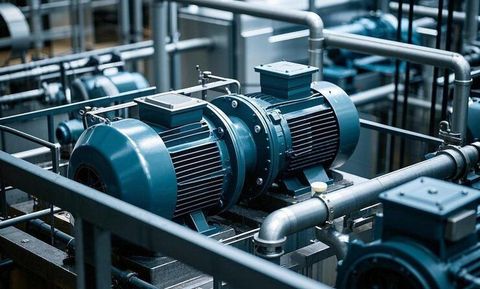
Electric motors
Industrial oils are available in mineral, synthetic, and semi-synthetic formulations.
2. Industrial Greases
Grease is a semi-solid lubricant made by combining oil with a thickening agent. It remains in place longer than oil and is suitable where continuous oil circulation is not possible.
Typical uses include:
Rolling bearings.
Conveyor systems.
Electric motors.
Heavy machinery.
Construction equipment.
Agricultural equipment.
Grease also helps protect components from moisture and contaminants.
3. Hydraulic Fluids
Hydraulic fluids transfer power within hydraulic systems while lubricating pumps, valves, and cylinders.
Industries using hydraulic fluids include:
Manufacturing
Construction
Mining
Material handling
Industrial automation
High-quality hydraulic fluids also resist oxidation and maintain stable performance over time.
4. Gear Oils
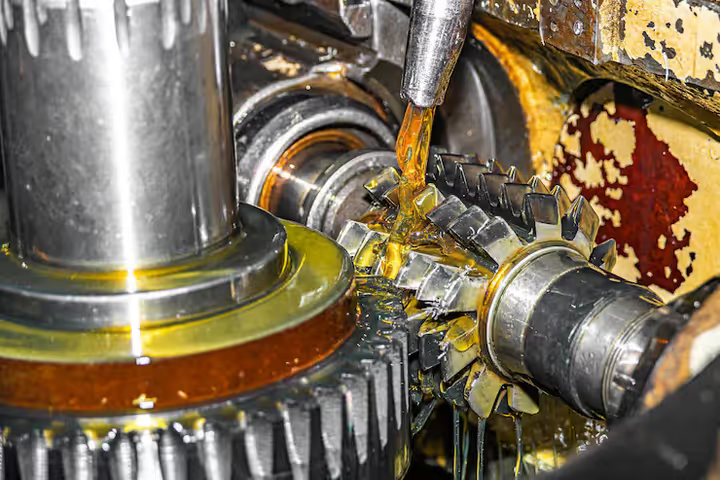
Gear oils protect gears operating under heavy pressure and continuous loads.
Common applications include:
Industrial gearboxes.
Wind turbines.
Conveyor drives.
Crushers.
Mixers.
Processing equipment.
These lubricants contain additives that help withstand extreme pressure conditions.
5. Compressor Oils
Compressors generate significant heat and require lubricants designed for continuous operation.
Applications include:
Air compressors.
Gas compressors.
Refrigeration compressors.
Industrial processing systems.
These oils help reduce deposits and maintain efficient compressor performance.
6. Specialty Industrial Lubricants
Some industries require lubricants with unique properties such as food safety, high-temperature resistance, or chemical compatibility.
Examples include:
Food-grade lubricants.
High-temperature lubricants.
Biodegradable lubricants.
Corrosion-resistant lubricants.
Vacuum pump oils.
Chain lubricants.
Mineral vs Synthetic Industrial Lubricants
Choosing between mineral and synthetic lubricants depends on operating conditions and equipment requirements.
Mineral Lubricants | Synthetic Lubricants |
| Derived from refined petroleum. | Manufactured through engineered chemical processes. |
| Suitable for standard operating conditions. | Designed for demanding environments. |
| Lower operating temperature range. | Excellent high and low temperature stability. |
| May require more frequent replacement. | Often supports longer maintenance intervals. |
| Common in general industrial machinery. | Common in heavy-duty, precision, and high-performance equipment. |
Both options have advantages depending on equipment specifications and maintenance goals.
Industries That Use Industrial Lubrication Products
Industrial lubricants are used across nearly every sector where machinery operates continuously.
Manufacturing
Manufacturing facilities use lubricants in motors, bearings, conveyors, presses, pumps, and automated production equipment to reduce downtime and improve productivity.
Construction
Construction machinery operates under heavy loads, dust, and varying weather conditions. Lubricants help protect hydraulic systems, gears, joints, and engine components.
Mining
Mining equipment experiences extreme pressure, vibration, and contamination. Heavy-duty lubricants improve equipment durability and reliability.
Power Generation
Power plants rely on lubricants for turbines, generators, compressors, hydraulic systems, and cooling equipment.
Food and Beverage Processing
Food processing equipment often requires specially formulated food-grade lubricants that help maintain machinery performance while meeting industry safety standards.
Marine and Shipping
Marine equipment requires lubricants that resist corrosion, moisture, and saltwater exposure.
Agriculture
Agricultural machinery uses lubricants in tractors, harvesters, irrigation systems, and other equipment operating in dusty and wet environments.
Common Applications of Industrial Lubricants
Industrial lubrication products support many types of machinery and systems.
Bearings
Bearings require consistent lubrication to reduce friction, heat, and wear during continuous rotation.
Gearboxes
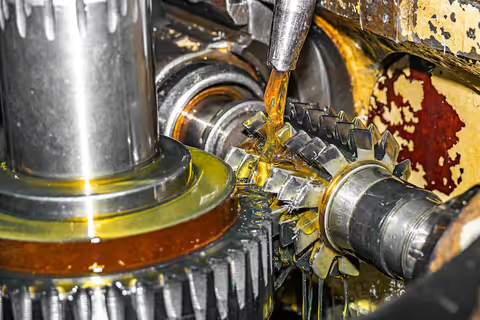
Lubricants protect gears from surface damage caused by high pressure and repeated contact.
Hydraulic Systems
Hydraulic oils maintain efficient fluid movement while protecting pumps and valves.
Chains and Conveyors
Chain lubricants reduce wear, minimize stretching, and protect against corrosion.
Compressors
Compressor oils reduce internal friction and help maintain cooling efficiency.
Pumps and Motors
Lubrication protects rotating shafts, seals, and bearings from excessive wear.
Benefits of Using the Right Industrial Lubrication Products
Selecting appropriate lubricants offers long-term operational advantages.
Improved Equipment Life
Lubrication reduces component wear, allowing machinery to operate effectively for longer periods.
Reduced Maintenance Costs
Proper lubrication helps prevent premature failures and reduces the frequency of repairs.
Higher Energy Efficiency
Reduced friction allows equipment to consume less energy during operation.
Less Downtime
Well-lubricated equipment is less likely to experience unexpected shutdowns caused by overheating or mechanical wear.
Better Equipment Reliability
Consistent lubrication supports stable machine performance during continuous production.
Protection Against Corrosion
Many industrial lubricants contain additives that help protect metal surfaces from rust and moisture damage.
Factors to Consider When Choosing Industrial Lubricants
Choosing the correct lubricant requires understanding both equipment requirements and operating conditions.
Equipment Manufacturer Recommendations
Always begin with the equipment manufacturer's lubrication specifications, including viscosity grade and lubricant type.
Operating Temperature
Lubricants should maintain stable performance across expected temperature ranges.
Load Conditions
Heavy-load equipment often requires lubricants with enhanced wear protection and extreme-pressure additives.
Speed of Operation
High-speed equipment may require lower-viscosity lubricants, while slower heavy-duty machinery may need thicker lubricants.
Environmental Conditions
Dust, moisture, chemicals, and outdoor exposure influence lubricant selection.
Compatibility
Lubricants should be compatible with seals, metals, plastics, and previously used lubrication products whenever applicable.
Understanding Lubricant Viscosity
Viscosity describes a lubricant's resistance to flow and is one of the most important selection factors.
Lower Viscosity
Flows easily.
Suitable for high-speed equipment.
Performs well in colder conditions.
Higher Viscosity
Forms a thicker protective film.
Suitable for heavier loads.
Often used in slower-moving industrial machinery.
Selecting incorrect viscosity may reduce lubrication effectiveness and equipment efficiency.
Best Practices for Industrial Lubrication Maintenance
Proper lubrication involves more than selecting the right product.
Create a Lubrication Schedule
Regular lubrication intervals help ensure consistent equipment protection.
Monitor Lubricant Condition
Inspect lubricants for contamination, discoloration, water, or metal particles.
Avoid Over-Lubrication
Applying too much lubricant may increase heat, pressure, or seal damage in some equipment.
Prevent Contamination
Use clean storage containers and application tools to prevent dirt, moisture, or debris from entering lubrication systems.
Label Lubricants Clearly
Proper identification helps prevent mixing incompatible lubricants during maintenance.
Train Maintenance Teams
Consistent lubrication practices improve reliability and reduce maintenance errors.
Common Signs Machinery Needs Lubrication Attention
Recognizing lubrication-related issues early helps prevent equipment damage.
Signs may include:
Increased operating temperature.
Unusual noise or vibration.
Excessive friction.
Visible rust or corrosion.
Lubricant leaks.
Discolored or contaminated lubricant.
Reduced machine efficiency.
Frequent bearing or gear failures.
Routine inspections help identify these warning signs before they become major maintenance issues.
Industrial Lubrication Challenges and How to Reduce Them
Industrial environments present several lubrication challenges.
Challenge | Helpful Practice |
| Dust contamination. | Use sealed lubrication systems and clean application methods. |
| Water exposure. | Select moisture-resistant lubricants where appropriate. |
| High operating temperatures. | Choose lubricants formulated for thermal stability. |
| Heavy mechanical loads. | Use lubricants designed for extreme-pressure applications. |
| Lubricant oxidation. | Monitor lubricant condition and replace it at recommended intervals. |
Addressing these challenges helps improve equipment reliability and maintenance planning.
Emerging Trends in Industrial Lubrication
Industrial lubrication continues to evolve alongside modern manufacturing and automation technologies.
Smart Lubrication Systems
Automated lubrication systems deliver precise lubricant quantities at scheduled intervals, reducing manual maintenance.
Predictive Maintenance
Sensors and oil condition monitoring help identify lubrication issues before equipment failure occurs.
Environmentally Responsible Lubricants
Biodegradable and environmentally considerate lubricant formulations are increasingly used in applications where environmental impact is an important consideration.
Longer-Life Synthetic Lubricants
Advanced synthetic lubricants are designed to maintain stability under demanding operating conditions and extended service intervals where appropriate.
Data-Driven Maintenance Programs
Industrial facilities increasingly use maintenance software to track lubricant usage, equipment condition, and replacement schedules.
Mistakes to Avoid When Using Industrial Lubricants
Several common mistakes can reduce lubrication effectiveness.
Using the wrong lubricant type for equipment.
Mixing incompatible lubricants.
Ignoring viscosity requirements.
Over-lubricating bearings and moving parts.
Missing scheduled lubricant changes.
Storing lubricants in contaminated or humid environments.
Using contaminated application tools.
Failing to inspect lubricant condition regularly.
Avoiding these practices helps protect machinery and improve maintenance consistency.
Conclusion
Industrial lubrication products are a critical part of equipment reliability, operational efficiency, and long-term maintenance planning. From lubricating oils and greases to hydraulic fluids and specialty lubricants, each product serves a specific purpose based on machinery design and operating conditions.
Understanding lubricant types, viscosity, application methods, and maintenance practices helps industries reduce wear, improve performance, and extend equipment lifespan. As industrial operations become more automated and maintenance becomes increasingly data-driven, effective lubrication remains one of the most practical ways to support reliable machinery performance while minimizing unnecessary downtime and maintenance costs.