Industrial Welding Equipment: Complete Guide to Types, Uses, Safety, and Modern Welding Systems
Industrial welding equipment plays an essential role in manufacturing, construction, automotive production, shipbuilding, energy projects, and metal fabrication. From joining steel structures to assembling precision machinery, welding equipment helps create strong and durable metal connections across a wide range of industries.
As industrial production continues to become more automated and efficient, welding equipment has also evolved. Modern systems now include inverter-based welding machines, robotic welding cells, laser welding equipment, and smart welding technologies that improve accuracy, reduce material waste, and enhance worker safety.
This guide explains industrial welding equipment in simple language, covering its types, components, applications, safety practices, maintenance, and the latest developments shaping the industry in 2026.
What Is Industrial Welding Equipment?
Industrial welding equipment refers to the machines, tools, accessories, and protective devices used to permanently join metal parts through heat, pressure, or a combination of both. Different welding processes require different equipment depending on the material, thickness, production speed, and application.
Unlike small household welding machines, industrial welding equipment is designed for continuous operation, higher power output, and demanding production environments.
A typical industrial welding setup includes:
Welding machine or power source.
Welding torch or electrode holder.
Ground clamp and welding cables.
Shielding gas system, where required.
Electrodes or welding wire.
Protective equipment for operators.
Together, these components create a reliable welding system suitable for industrial-scale fabrication.
Why Industrial Welding Equipment Matters Today
Welding is a foundational process in modern manufacturing. Nearly every industry that uses metal depends on welding equipment for production, repairs, or infrastructure development.
Industrial welding equipment is important because it helps:
Create strong and permanent metal joints.
Improve manufacturing productivity.
Support large-scale infrastructure projects.
Enable precision fabrication in automotive and aerospace industries.
Reduce assembly time compared to mechanical fastening methods.
As industries adopt automation and digital manufacturing, advanced welding equipment also improves consistency and quality across large production volumes.
Main Types of Industrial Welding Equipment
Different welding processes are suited for different industrial applications. Choosing the right equipment depends on the project requirements.
MIG Welding Equipment
MIG (Metal Inert Gas) welding is one of the most widely used industrial welding methods.
It uses a continuously fed wire electrode and shielding gas to produce clean and fast welds.
Common applications include:
Automotive manufacturing.
Steel fabrication.
Sheet metal production.
Industrial machinery assembly.
Key advantages:
High welding speed.
Easy to automate.
Suitable for thin and medium-thickness metals.
TIG Welding Equipment
TIG (Tungsten Inert Gas) welding provides greater precision and cleaner welds.
This process uses a tungsten electrode and separate filler material when needed.
Industries using TIG welding include:
Aerospace.
Food processing equipment.
Stainless steel fabrication.
Medical equipment manufacturing.
Benefits include:
High-quality weld appearance.
Excellent precision.
Suitable for stainless steel, aluminum, and specialty metals.
Stick Welding Equipment
Stick welding uses a consumable coated electrode.
It is widely used in outdoor and heavy-duty industrial environments.
Common uses include:
Construction sites.
Pipeline welding.
Structural steel fabrication.
Equipment repair and maintenance.
Its ability to operate in windy or outdoor conditions makes it popular for field applications.
Flux-Cored Arc Welding Equipment
Flux-cored welding is similar to MIG welding but uses tubular wire filled with flux.
It offers higher penetration and performs well in heavy industrial environments.
Typical applications include shipbuilding, bridge construction, and heavy fabrication projects.
Laser Welding Equipment
Laser welding uses concentrated laser energy to join metals with high precision.
This technology is increasingly used in automated manufacturing environments where speed and accuracy are priorities.
Industries include electronics, automotive batteries, aerospace components, and precision engineering.
Essential Components of Industrial Welding Equipment
Industrial welding systems include multiple components working together.
Component | Purpose |
| Welding Power Source | Provides electrical current for the welding process. |
| Welding Torch | Directs heat, electrode, or filler material toward the workpiece. |
| Electrode Holder | Holds stick electrodes during welding. |
| Ground Clamp | Completes the electrical circuit safely. |
| Shielding Gas Regulator | Controls gas flow in MIG and TIG welding. |
| Wire Feeder | Automatically feeds welding wire into the weld pool. |
| Welding Cables | Carry electrical current between equipment components. |
| Cooling Unit | Prevents overheating in high-duty welding systems. |
Each component contributes to welding performance, efficiency, and operator safety.
Types of Welding Power Sources
Modern industrial welding machines use different power technologies depending on application needs.
Transformer Welding Machines
Traditional transformer welders are durable and suitable for heavy industrial work.
Characteristics include:
Strong construction.
Reliable performance.
Higher weight compared to modern systems.
Inverter Welding Machines
Inverter technology has become the industry standard for many applications.
Advantages include:
Lightweight design.
Better energy efficiency.
Stable welding arc.
Digital control settings.
Many manufacturing facilities now prefer inverter welding equipment for improved productivity and reduced power consumption.
Multi-Process Welding Machines
Some industrial machines support multiple welding processes in one system.
They can perform:
MIG welding.
TIG welding.
Stick welding.
Flux-cored welding.
This flexibility makes them suitable for fabrication workshops handling different materials.
Common Applications Across Industries
Industrial welding equipment supports numerous sectors of the economy.
Industry | Typical Welding Applications |
| Construction | Steel structures, bridges, buildings, and infrastructure. |
| Automotive | Vehicle frames, body panels, exhaust systems, and battery components. |
| Shipbuilding | Hull fabrication, pipelines, and marine structures. |
| Oil and Gas | Pipelines, storage tanks, pressure vessels, and offshore platforms. |
| Manufacturing | Industrial machinery, equipment assembly, and metal fabrication. |
| Renewable Energy | Wind towers, solar structures, and energy storage systems. |
Different welding methods are selected according to material strength, environmental conditions, and production volume.
Materials That Can Be Welded
Industrial welding equipment works with a wide range of metals.
Carbon Steel
Carbon steel is the most commonly welded industrial material because it is durable and versatile.
Stainless Steel
Used where corrosion resistance is important, including food processing, pharmaceuticals, and chemical industries.
Aluminum
Lightweight aluminum requires specialized welding equipment, particularly TIG and MIG systems designed for aluminum welding.
Cast Iron
Cast iron repairs require specific welding procedures and compatible filler materials.
Copper and Specialty Alloys
Advanced welding equipment supports copper, nickel alloys, titanium, and other specialty materials used in aerospace and industrial engineering.
Welding Safety Equipment and Best Practices
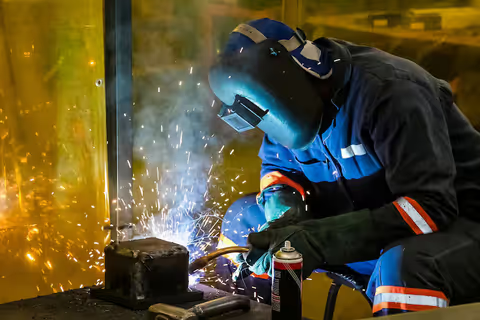
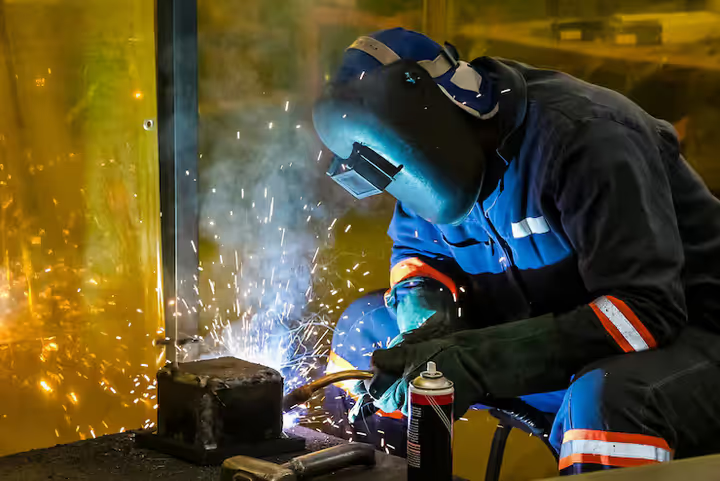
Safety is one of the most important parts of industrial welding operations. Welding generates intense heat, sparks, ultraviolet radiation, fumes, and electrical hazards.
Essential Personal Protective Equipment
Industrial welders typically use:
Welding helmet with auto-darkening lens.
Flame-resistant welding jacket.
Leather welding gloves.
Safety boots.
Eye and hearing protection.
Respiratory protection where fumes are present.
Workplace Safety Measures
Safe welding environments include:
Proper ventilation systems.
Fume extraction equipment.
Fire-resistant work areas.
Safe cable management.
Regular equipment inspection.
Following workplace safety procedures helps reduce accidents and protects workers from burns, electric shock, and exposure to hazardous fumes.
How to Maintain Industrial Welding Equipment
Regular maintenance improves equipment lifespan and welding quality.
Daily Inspection
Before operating equipment:
Check cables for damage.
Inspect torch connections.
Verify gas hose condition.
Clean contact tips and nozzles.
Routine Maintenance
Scheduled maintenance includes:
Cleaning dust from cooling vents.
Replacing worn consumables.
Checking wire feeder alignment.
Inspecting grounding connections.
Calibration and Testing
Industrial facilities often calibrate welding equipment periodically to maintain consistent welding parameters and comply with production quality standards.
Proper maintenance also reduces unexpected downtime during manufacturing operations.
Automation in Industrial Welding Equipment
Automation is transforming industrial welding operations around the world.
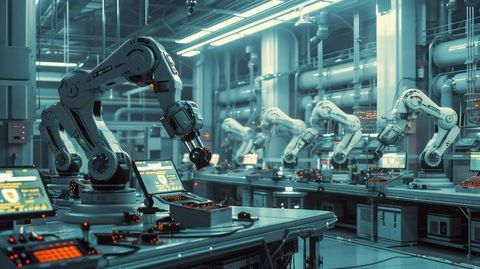
Robotic Welding Systems
Industrial robots perform repetitive welding tasks with high precision.
Benefits include:
Consistent weld quality.
Higher production speed.
Reduced operator fatigue.
Improved workplace safety.
Robotic welding is widely used in automotive manufacturing, appliance production, and heavy equipment fabrication.
Collaborative Welding Robots
Collaborative robots, often called cobots, work alongside human operators.
They are increasingly used by manufacturers that require flexible automation without fully automated production lines.
Smart Welding Equipment
Modern welding machines include digital features such as:
Touchscreen controls.
Memory settings for welding programs.
Arc stability monitoring.
Data logging.
Remote diagnostics.
These capabilities help improve production consistency and simplify equipment management.
Energy Efficiency and Sustainable Welding Practices
Industrial facilities are increasingly focusing on energy-efficient welding technologies.
Energy-Efficient Inverter Technology
Inverter welders consume less electricity while maintaining stable welding performance.
Reduced Material Waste
Smart welding controls help optimize wire feed and heat input, reducing wasted filler material.
Fume Extraction Systems
Modern extraction systems improve indoor air quality and support healthier workplaces.
Recycling Welding Consumables
Many industries recycle metal scraps, unused wire spools, and packaging materials to reduce industrial waste.
Sustainable welding practices also contribute to broader environmental and workplace safety goals.
Recent Trends in Industrial Welding Equipment (2025–2026)
The welding industry continues to adopt new technologies across manufacturing and infrastructure sectors.
AI-Assisted Welding Systems
Artificial intelligence is being integrated into welding systems to monitor weld quality and detect defects during production.
Battery Manufacturing Welding
Growing electric vehicle production has increased demand for precision welding equipment used in battery cells and battery packs.
Laser and Hybrid Welding Growth
Laser welding continues expanding into industries requiring fast, low-distortion welding processes.
Digital Monitoring and Industry 4.0
Connected welding equipment now integrates with factory management systems, allowing manufacturers to monitor equipment performance and production data in real time.
Portable Industrial Welding Machines
Manufacturers continue introducing lighter industrial-grade inverter welders for maintenance teams working across construction sites and industrial facilities.
Choosing Industrial Welding Equipment for Different Applications
Selecting suitable welding equipment depends on several practical factors.
Selection Factor | Why It Matters |
| Material Type | Different metals require compatible welding processes. |
| Material Thickness | Thicker metals require higher power and penetration. |
| Production Volume | Continuous production may require automated or high-duty-cycle equipment. |
| Power Availability | Industrial facilities may use single-phase or three-phase power systems. |
| Mobility Requirements | Field work may require portable welding equipment. |
| Safety Requirements | Work environment determines ventilation, PPE, and extraction needs. |
Understanding these factors helps organizations choose equipment that matches operational needs without compromising quality or safety.
Common Challenges in Industrial Welding Operations
Even with modern equipment, industrial welding presents several operational challenges.
Heat Distortion
Excessive heat can change the shape of metal components during welding.
Porosity and Weld Defects
Improper shielding gas or contaminated materials may create defects inside weld joints.
Equipment Wear
Consumable parts such as contact tips, electrodes, and nozzles wear over time and require replacement.
Operator Skill Requirements
Different welding methods require different levels of technical knowledge and training for consistent results.
Addressing these challenges through maintenance, training, and quality control improves welding reliability.
Frequently Asked Questions
What is industrial welding equipment used for?
Industrial welding equipment is used to join metal components in manufacturing, construction, automotive production, shipbuilding, infrastructure development, pipeline installation, and machinery fabrication.
What is the difference between MIG and TIG welding equipment?
MIG welding is generally faster and suitable for high-volume fabrication, while TIG welding provides greater precision and cleaner welds for stainless steel, aluminum, and specialty metals.
Why are inverter welding machines becoming popular?
Inverter welding machines are lighter, more energy efficient, provide better arc stability, and include digital controls that improve welding performance.
How often should industrial welding equipment be maintained?
Daily inspections, regular cleaning, consumable replacement, and scheduled servicing help maintain welding quality and extend equipment lifespan.
Is automated welding replacing manual welding?
Automation is increasing in repetitive manufacturing processes, but manual welding remains essential for repairs, custom fabrication, construction projects, and applications requiring operator flexibility.
Conclusion
Industrial welding equipment is a critical part of modern manufacturing and infrastructure development. From traditional stick welders to advanced laser and robotic welding systems, today's equipment supports a wide variety of industrial applications while improving productivity, precision, and workplace safety.
As manufacturing continues moving toward automation and digital production, welding equipment is becoming smarter, more energy efficient, and easier to monitor through connected technologies. Understanding the different types of welding equipment, their applications, maintenance requirements, and safety practices helps users make informed decisions and operate welding systems more effectively.
Whether used in heavy fabrication, automotive production, renewable energy projects, or precision engineering, industrial welding equipment remains an essential technology for creating strong, reliable, and durable metal structures across industries in 2026 and beyond.