Robot Safety Features: Guide to Safe Robotic Systems
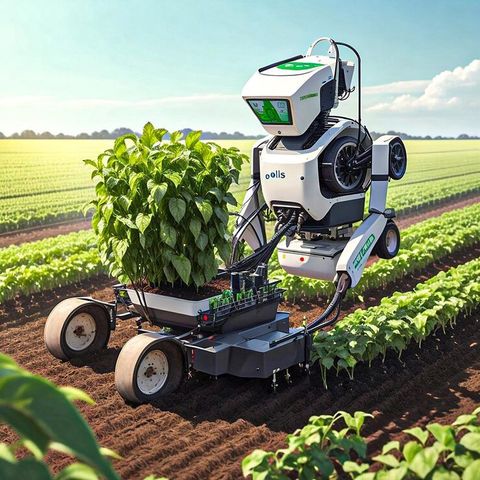
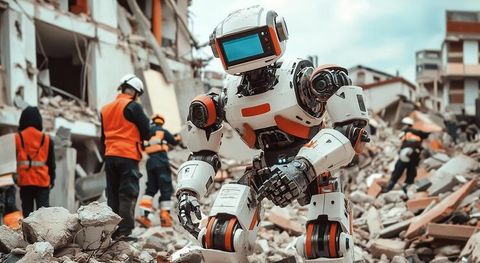
Robots are increasingly used in manufacturing, warehouses, laboratories, healthcare environments, agriculture, and other workplaces. As robotic systems become faster, stronger, and more capable, safety features play an important role in protecting people, equipment, and the robot itself.
Robot safety is not limited to a single component. It involves a combination of sensors, protective barriers, control systems, emergency functions, software, and operating procedures. Understanding these features helps users recognize potential hazards and create safer environments around automated equipment.
What Are Robot Safety Features?
Robot safety features are hardware and software mechanisms designed to reduce the possibility of injury, unexpected movement, equipment damage, or unsafe interaction between people and robots. These features can monitor the robot's surroundings, control its movement, detect abnormal conditions, and stop operation when a dangerous situation is identified.
The appropriate safety system depends on the robot's design, speed, payload, workspace, application, and level of interaction with people. A fully enclosed industrial robot may require different protective measures from a collaborative robot designed to work closer to human operators.
Effective robot safety generally follows a layered approach. Instead of relying on one protective mechanism, several safeguards work together so that a failure in one layer does not automatically create a hazardous situation.
Emergency Stop Systems
An emergency stop, commonly called an E-stop, is one of the most recognizable robot safety features. It allows an operator or another authorized person to quickly stop hazardous robot movement when an unexpected condition occurs.
Emergency stop controls are normally positioned where they can be reached quickly from relevant operating areas. Depending on the robot and its control architecture, activating an emergency stop can remove motion-producing energy or place the system into a predefined safe state.
An emergency stop should not be viewed as the primary method of preventing routine hazards. It is an additional protective measure for situations requiring immediate intervention. Regular operation should rely on appropriate safeguards and controlled procedures rather than repeatedly depending on emergency stopping.
Safety Sensors and Detection Systems
Sensors allow robots and their safety systems to detect conditions around the working area. Different sensor technologies can be used depending on the application.
Presence sensors can identify whether a person or object has entered a restricted area. Light curtains create an invisible detection zone around hazardous machinery. If the detection field is interrupted during a protected operating condition, the robot can be instructed to stop or change its behavior.
Other systems use laser scanners, proximity sensors, cameras, pressure-sensitive devices, or area monitoring technology. These technologies can help establish protective zones and identify unexpected entry into areas where robot movement could create a hazard.
The reliability of a safety sensor depends on correct installation, configuration, testing, and maintenance. A sensor that is poorly positioned or incorrectly configured may not provide the expected level of protection.
Protective Guards and Physical Barriers
Physical guarding is another important part of industrial robot safety. Barriers can separate people from areas where robots perform high-speed or high-force movements.
Fences, doors, panels, and enclosures can establish a clearly defined robot work area. Access doors may also be connected to safety interlocks so that opening a protected entry point triggers a safe response from the robotic system.
The design of a guard should account for the robot's range of movement and the possibility of objects being projected from the work area. Simply placing a barrier around a robot does not automatically make the application safe. The entire workspace, access points, tooling, and surrounding equipment need to be considered.
Safety Interlocks
Safety interlocks connect protective devices with the robot's control system. For example, an interlocked door can prevent normal robot operation while the door is open.
Interlocks help ensure that certain operating conditions must be satisfied before hazardous motion can occur. They can also be used with gates, access panels, protective covers, and other safeguards.
A properly designed interlock system helps prevent situations where a person enters a restricted area while the robot continues operating normally. However, interlocks should be designed as part of a complete safety system rather than treated as an isolated solution.
Speed and Force Monitoring
Robot movement can create different levels of risk depending on speed, force, acceleration, payload, and the type of tool attached to the robot.
Modern robotic systems may incorporate monitoring functions that limit or supervise movement characteristics. Reducing speed in certain operating modes can provide additional protection when people need to work near the robot.
Collaborative robots may also use force or torque monitoring to detect unexpected physical contact. If the system detects conditions outside defined limits, it can respond by stopping or modifying robot movement.
These capabilities are particularly relevant in environments where robots and people share workspace. However, collaborative operation does not eliminate the need for a proper risk assessment. The robot, tool, workpiece, and application all influence the potential hazards.
Safe Operating Modes
Robotic systems commonly provide different operating modes for tasks such as automatic production, setup, programming, inspection, and maintenance.
A reduced-speed mode can help limit risk during setup or programming activities. In some systems, manual control devices allow an operator to move the robot deliberately while maintaining additional safeguards.
Mode selection is important because the level of protection required during programming or maintenance may differ from normal automatic operation. Operators should understand which mode is active and what safety conditions apply to it.
Clear controls and status indicators can help reduce confusion about the robot's current operating condition.
Collision Detection and Monitoring
Collision detection can provide another layer of protection by identifying unexpected resistance or changes in movement. When a robot encounters an abnormal force, the control system may detect the condition and stop movement.
This capability can be valuable for preventing continued movement after an unexpected contact. It can also help protect robotic equipment and workpieces from certain types of operational problems.
However, collision detection should not be considered a replacement for physical guarding or other protective measures where significant hazards exist. Detection thresholds and response characteristics must be appropriate for the application.
Safety-Rated Control Systems
Robot safety depends not only on physical components but also on the control architecture behind them. Safety-rated controllers and monitoring circuits can supervise important protective functions and initiate predetermined responses when unsafe conditions are detected.
These systems may monitor emergency stops, protective doors, sensors, speed limits, and other safety functions. Redundant or monitored control arrangements can help reduce the likelihood that a single component failure will result in loss of a critical safety function.
The specific architecture varies according to the robot and application, so safety functions should be designed according to applicable requirements and the manufacturer's documentation.
Safety During Maintenance and Programming
Many robot-related incidents can occur when people work directly within the robot's operating area. Maintenance, troubleshooting, programming, cleaning, and setup therefore require particular attention.
Before entering a hazardous area, appropriate energy isolation procedures should be followed. Depending on the system, this can involve electrical, pneumatic, hydraulic, mechanical, or other stored energy sources.
Workers should also understand the robot's movement range and possible stored energy. A robot that appears stationary may still be capable of movement if its control system remains active.
Training, clear procedures, appropriate protective measures, and controlled access are important parts of maintenance safety.
Why Robot Risk Assessment Matters
No single robot safety feature can address every possible hazard. A risk assessment helps identify hazards associated with the robot, tooling, workpiece, environment, human interaction, and operating procedures.
For example, a robot carrying a sharp tool presents different hazards from one handling soft materials. Similarly, a robot working inside a fully enclosed cell presents different interaction risks from a collaborative system operating alongside people.
Risk assessment helps determine which combination of guarding, sensors, emergency functions, monitoring systems, operating controls, and procedures is appropriate.
Building a Safer Robotic Environment
A safe robotic environment combines technology with good operating practices. Safety devices should be correctly installed, regularly inspected, and maintained according to applicable requirements. Operators should know how emergency controls work and understand the robot's operating modes.
Warning signs, clear access controls, appropriate training, and organized workspaces can also contribute to safer operation. Changes to robot programming, tooling, layout, or production processes should be evaluated because even a small modification can introduce a new hazard.
The goal is not simply to stop a robot when something goes wrong. A well-designed safety system aims to prevent hazardous situations where reasonably possible and provide reliable protective responses when unexpected conditions occur.
Conclusion
Robot safety features are essential for controlling the risks associated with automated equipment. Emergency stops, protective guards, safety sensors, interlocks, speed and force monitoring, collision detection, and safety-rated controls can work together to create multiple layers of protection.
The right combination depends on the robot, application, workspace, tooling, and level of human interaction. Safety should therefore be considered during system design, installation, programming, operation, and maintenance rather than added only after a robotic system is already in use.
Understanding how robot safety features work gives operators, engineers, and other users a stronger foundation for recognizing hazards and supporting safer robotic environments.