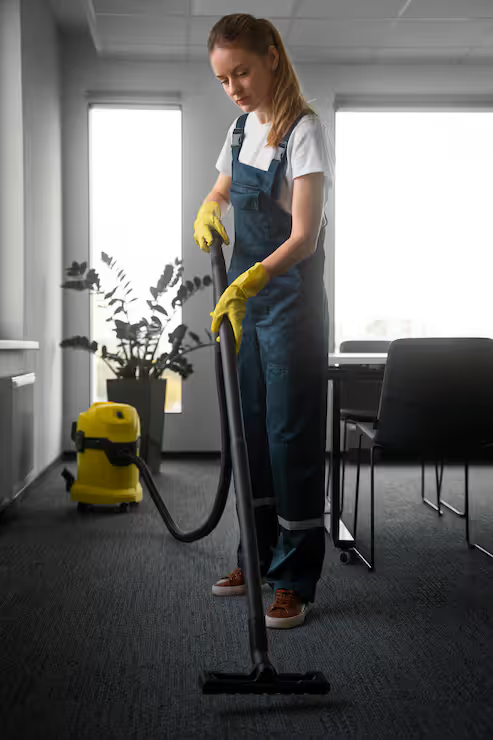
Industrial Cleaning Equipment: Types, Uses, Benefits, and Buying Guide (2026)
Industrial cleaning equipment plays an essential role in maintaining safe, hygienic, and productive workplaces across factories, warehouses, manufacturing plants, food processing units, hospitals, and commercial facilities. Unlike household cleaning tools, industrial cleaning machines are designed to handle large areas, heavy dirt, oil, chemicals, dust, and industrial waste efficiently.
As workplaces become larger and safety standards become stricter, businesses increasingly rely on industrial cleaning equipment to improve hygiene, reduce manual labor, and maintain operational efficiency. Choosing the right equipment depends on the environment, the type of debris being cleaned, and the level of sanitation required.
This guide explains what industrial cleaning equipment is, why it matters, the different types available, how it is used across industries, maintenance best practices, and recent developments shaping the industry.
What Is Industrial Cleaning Equipment?
Industrial cleaning equipment refers to machines, tools, and systems specifically designed for cleaning large commercial or industrial spaces. Unlike household cleaning products, these machines are built to handle heavy-duty cleaning tasks in demanding environments.
The equipment is designed to clean floors, walls, machinery, ventilation systems, production areas, and outdoor industrial spaces while improving speed and consistency.
Common workplaces that use industrial cleaning equipment include:
Manufacturing facilities
Warehouses and logistics centers
Food and beverage processing plants
Healthcare facilities
Hotels and commercial buildings
Automotive workshops
Construction sites
Educational institutions
Airports and transportation hubs
Industrial cleaning equipment helps businesses meet cleanliness standards while reducing the physical effort required for routine cleaning.
Why Industrial Cleaning Equipment Is Important
A clean industrial environment is about much more than appearance. It directly affects worker safety, equipment performance, regulatory compliance, and productivity.
Improves Workplace Safety
Dust, oil spills, chemicals, and debris increase the risk of slips, trips, respiratory issues, and workplace accidents. Regular cleaning helps minimize these hazards.
Supports Hygiene Standards
Industries such as healthcare and food processing require strict sanitation practices. Specialized cleaning equipment helps maintain hygienic environments and reduces contamination risks.
Increases Operational Efficiency
Cleaning large facilities manually takes significant time and labor. Industrial machines complete tasks faster and with more consistent results.
Protects Equipment and Infrastructure
Removing dirt, grease, and contaminants helps prevent corrosion, overheating, and premature wear on machinery and facility surfaces.
Helps Meet Regulatory Requirements
Many industries follow workplace cleanliness and environmental safety standards. Proper cleaning equipment helps organizations maintain compliance with these requirements.
Types of Industrial Cleaning Equipment
Different environments require different cleaning solutions. Understanding the main categories helps businesses select equipment suited to their cleaning needs.
Floor Scrubbers
Floor scrubbers clean hard surfaces using water, cleaning solution, brushes, and suction systems that remove dirty water immediately.
They are commonly used in:
Warehouses
Shopping centers
Hospitals
Airports
Factories
Floor scrubbers reduce manual mopping and provide consistent cleaning across large floor areas.
Industrial Vacuum Cleaners
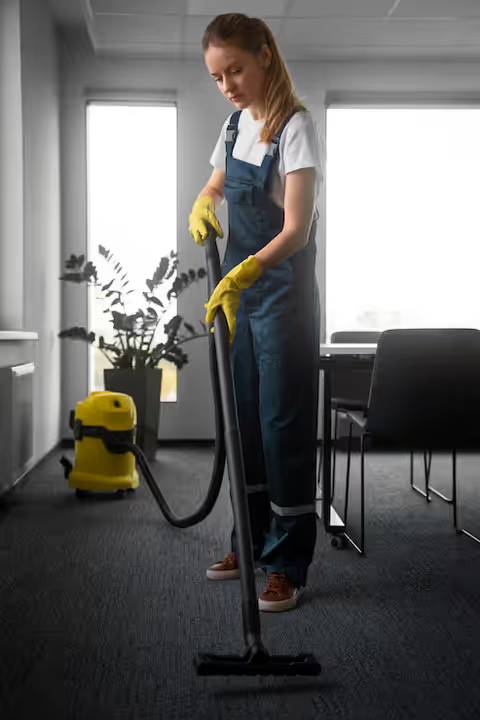
Industrial vacuum cleaners remove dust, liquids, fine particles, metal shavings, chemicals, and hazardous materials depending on their design.
Common applications include:
Manufacturing plants
Construction sites
Woodworking facilities
Food production
Laboratories
Some models are designed specifically for wet cleaning, dry cleaning, or hazardous dust collection.
Pressure Washers
Pressure washers use high-pressure water to remove dirt, grease, paint, mud, and contaminants from outdoor and industrial surfaces.
Typical uses include:
Building exteriors
Equipment cleaning
Loading docks
Vehicles
Concrete surfaces
Hot water pressure washers are especially effective for removing grease and oil.
Steam Cleaning Machines
Steam cleaners use high-temperature steam to sanitize surfaces without relying heavily on chemical cleaners.
Industries that benefit include:
Healthcare
Hospitality
Food processing
Pharmaceutical manufacturing
Steam cleaning helps reduce bacteria and other microorganisms while cleaning sensitive equipment.
Carpet and Upholstery Cleaning Machines
Commercial carpet extractors remove embedded dirt, stains, allergens, and moisture from carpets and upholstered furniture.
They are commonly found in offices, hotels, educational institutions, and public facilities.
Ride-On Cleaning Machines
Ride-on scrubbers and sweepers allow operators to clean very large indoor or outdoor spaces efficiently.
These machines are suitable for:
Distribution centers
Industrial warehouses
Parking garages
Stadiums
Manufacturing facilities
They improve productivity when cleaning extensive floor areas.
Industrial Sweepers
Industrial sweepers collect dust, sand, leaves, paper, and debris from floors using rotating brushes and collection bins.
Sweepers are available for indoor and outdoor environments and help reduce airborne dust in industrial settings.
Common Applications Across Industries
Industrial cleaning equipment serves different purposes depending on the industry.
Industry | Typical Cleaning Needs |
| Manufacturing | Oil removal, dust collection, machinery cleaning, floor maintenance. |
| Healthcare | Sanitization, infection control, sterile surface cleaning. |
| Food Processing | Hygiene, grease removal, equipment sanitation, contamination prevention. |
| Warehousing | Dust removal, floor cleaning, debris collection, spill management. |
| Hospitality | Carpet cleaning, floor polishing, restroom sanitation, public area cleaning. |
| Construction | Concrete dust removal, mud cleaning, equipment washing, site maintenance. |
Every industry selects equipment based on surface type, cleaning frequency, and safety requirements.
Key Benefits of Using Industrial Cleaning Equipment
Using specialized equipment provides several long-term advantages over manual cleaning methods.
Faster Cleaning
Machines cover larger areas in less time, reducing downtime and increasing productivity.
Reduced Physical Labor
Automated equipment minimizes repetitive manual tasks, making cleaning safer and less physically demanding.
Better Cleaning Consistency
Industrial machines apply consistent pressure, water flow, suction, or steam, producing more uniform cleaning results.
Improved Air Quality
Vacuum systems with advanced filtration capture fine dust and airborne particles, contributing to healthier indoor environments.
Lower Water and Chemical Waste
Many modern cleaning machines are designed to optimize water usage and cleaning solution consumption.
Longer Facility Lifespan
Routine cleaning protects flooring, machinery, and infrastructure from accumulated dirt and corrosive substances.
How to Choose the Right Industrial Cleaning Equipment
Selecting equipment depends on several practical considerations rather than choosing the largest or most powerful machine.
Consider the Surface Type
Different machines are designed for:
Concrete floors
Tile surfaces
Epoxy flooring
Stainless steel equipment
Carpets
Outdoor pavement
Using the correct equipment helps prevent surface damage.
Identify the Type of Dirt
Cleaning requirements vary depending on whether the facility deals with:
Dust
Grease
Liquids
Chemicals
Food residue
Metal particles
Choose equipment specifically designed for those materials.
Evaluate Facility Size
Small facilities may need compact walk-behind machines, while warehouses often benefit from ride-on cleaning equipment.
Review Safety Requirements
Facilities handling hazardous dust or chemicals may require equipment with specialized filtration systems or explosion-safe designs.
Maintenance and Ease of Operation
Choose equipment that staff can operate safely and maintain with regular servicing and readily available replacement components.
Maintenance Best Practices
Proper maintenance improves cleaning performance and extends equipment life.
Daily Maintenance
Empty collection tanks and debris containers.
Clean brushes and filters.
Inspect hoses and attachments.
Wipe machine surfaces after use.
Weekly Maintenance
Check battery levels where applicable.
Inspect wheels and moving parts.
Look for leaks or worn seals.
Test safety controls.
Periodic Maintenance
Replace worn brushes and filters.
Lubricate moving components if recommended.
Inspect motors and electrical connections.
Schedule professional servicing according to manufacturer guidelines.
Keeping equipment clean is just as important as using it correctly.
Safety Tips for Operating Industrial Cleaning Equipment
Safe operation helps protect both workers and equipment.
Train Operators
Employees should understand operating procedures, emergency shutdown methods, and basic maintenance responsibilities.
Wear Appropriate Protective Equipment
Depending on the environment, operators may need gloves, eye protection, hearing protection, masks, or safety footwear.
Follow Chemical Guidelines
Use cleaning solutions compatible with the equipment and avoid mixing chemicals unless specifically recommended.
Inspect Equipment Before Use
Check power cords, batteries, hoses, brushes, and safety switches before operating the machine.
Use Proper Ventilation
When cleaning enclosed industrial spaces, ensure adequate ventilation, especially when using chemicals or steam equipment.
Environmental Considerations
Sustainability has become an important part of industrial cleaning practices.
Water Conservation
Many modern scrubbers recycle water or optimize water flow to reduce overall consumption.
Reduced Chemical Usage
Steam cleaning and advanced dosing systems help minimize chemical waste while maintaining cleaning performance.
Energy-Efficient Equipment
Battery-powered and energy-efficient machines reduce emissions and noise in indoor environments.
Waste Management
Collected dust, hazardous debris, and wastewater should be disposed of according to local environmental regulations.
Environmentally responsible cleaning supports both workplace safety and sustainability goals.
Recent Trends in Industrial Cleaning Equipment (2025–2026)
Industrial cleaning technology continues evolving to improve efficiency and sustainability.
Automation and Robotic Cleaning
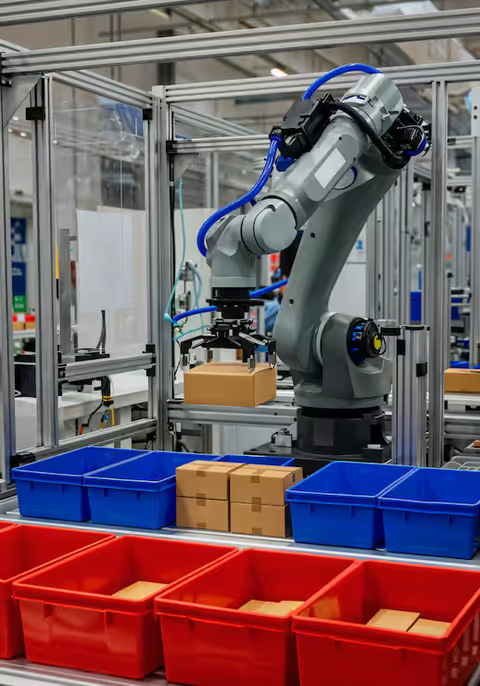
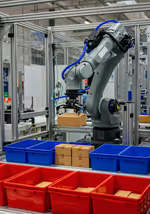
Autonomous floor scrubbers and robotic cleaning machines are becoming more common in warehouses, airports, and large commercial buildings. These systems can clean predefined routes with minimal operator involvement.
Smart Monitoring Systems
Connected cleaning equipment now includes sensors that monitor battery life, water usage, maintenance schedules, and machine performance in real time.
Improved Battery Technology
Lithium-based battery systems are increasingly replacing older battery technologies, offering longer operating times and faster charging cycles.
Eco-Friendly Cleaning Solutions
Manufacturers continue developing equipment that uses less water and fewer cleaning chemicals while maintaining sanitation standards.
Advanced Filtration
High-efficiency filtration systems help capture finer particles, improving indoor air quality in manufacturing and healthcare environments.
These trends reflect growing demand for safer, more efficient, and environmentally conscious cleaning practices.
Common Mistakes to Avoid
Using industrial cleaning equipment incorrectly can reduce effectiveness and increase maintenance costs.
Common mistakes include:
Using the wrong machine for the surface.
Skipping routine maintenance.
Overusing cleaning chemicals.
Ignoring filter replacement schedules.
Operating equipment without proper training.
Storing machines without cleaning tanks or brushes.
Avoiding these issues helps maintain consistent cleaning performance and equipment reliability.
Frequently Asked Questions
What is industrial cleaning equipment used for?
Industrial cleaning equipment is used to clean large commercial and industrial spaces, including floors, machinery, warehouses, hospitals, food processing facilities, and manufacturing plants.
What is the difference between industrial and commercial cleaning equipment?
Commercial cleaning equipment is generally designed for offices, retail spaces, and public buildings, while industrial cleaning equipment is built for heavier workloads, larger spaces, and more demanding environments.
How often should industrial cleaning equipment be maintained?
Basic cleaning and inspection should be performed after each use, with more detailed maintenance carried out weekly or according to the manufacturer's recommended service schedule.
Can industrial cleaning equipment reduce water usage?
Yes. Many modern cleaning machines are designed with water-saving technologies that optimize water flow, recycle water, or use precise dispensing systems.
Which industries benefit most from industrial cleaning equipment?
Manufacturing, healthcare, logistics, hospitality, construction, food processing, transportation, and education are among the industries that commonly use industrial cleaning equipment.
Conclusion
Industrial cleaning equipment is an essential part of maintaining safe, hygienic, and efficient workplaces across a wide range of industries. Whether cleaning factory floors, removing hazardous dust, sanitizing healthcare facilities, or maintaining warehouses, specialized equipment helps organizations achieve consistent cleaning results while reducing manual effort.
Understanding the different types of industrial cleaning equipment, selecting the right machine for the environment, and following proper maintenance practices can improve operational efficiency and extend equipment lifespan. As automation, smart monitoring, and sustainable cleaning technologies continue to develop through 2025 and 2026, industrial cleaning equipment is becoming more efficient, environmentally responsible, and easier to manage in modern workplaces.
A thoughtful cleaning strategy that combines appropriate equipment, trained operators, and regular maintenance helps create cleaner facilities, healthier working environments, and more reliable day-to-day operations.