Jump to a Chapter

Industrial Fluid Systems Explained: Components, Applications, and Modern Industry Guide

Industrial Fluid Systems Explained: Components, Applications, and Modern Industry Guide

Industrial fluid systems are the backbone of many manufacturing, processing, and infrastructure operations around the world. They move liquids and gases through equipment, machines, and production lines to keep industrial processes running safely and efficiently. From water treatment facilities and food manufacturing plants to chemical processing units and power generation stations, these systems play a critical role in daily industrial operations.

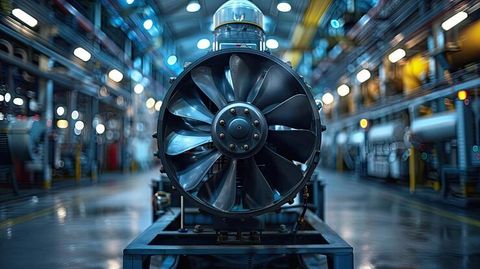
As industries continue to adopt automation, energy-efficient technologies, and smart monitoring tools, industrial fluid systems have become more advanced than ever before. Understanding how they work helps engineers, facility managers, technicians, students, and business owners make informed decisions about system performance, maintenance, and long-term reliability.

This guide explains industrial fluid systems in simple language, covering their components, working principles, applications, maintenance, and recent developments shaping the industry.

Understanding Industrial Fluid Systems

An industrial fluid system is a network of equipment designed to transport, control, store, and regulate fluids within an industrial environment. The term "fluid" includes both liquids and gases because both flow and respond to pressure in similar ways.

These systems are designed to move fluids from one location to another while maintaining the required pressure, temperature, and flow rate. Depending on the industry, fluids may include water, oil, chemicals, compressed air, steam, hydraulic fluid, refrigerants, or natural gas.

A properly designed fluid system ensures that machinery receives the correct amount of fluid at the correct pressure and temperature. This helps maintain production quality, equipment safety, and operational efficiency.

Industrial fluid systems are found in facilities of every size, from small manufacturing workshops to large industrial plants operating around the clock.

Why Industrial Fluid Systems Are Important

Modern industries depend on precise fluid movement for countless processes. Whether cooling equipment, powering hydraulic machines, transporting chemicals, or supplying compressed air, fluid systems directly influence productivity and equipment lifespan.

Efficient fluid systems help reduce energy waste by delivering fluids through optimized piping and properly sized pumps. They also improve workplace safety by controlling pressure levels and preventing leaks or contamination.

Reliable systems minimize production downtime because properly maintained components experience fewer failures. In industries where continuous production is essential, this reliability becomes especially valuable.

Another important benefit is environmental performance. Well-designed fluid systems reduce unnecessary fluid loss, improve water conservation, and support sustainable industrial operations.

How Industrial Fluid Systems Work

Every industrial fluid system follows a basic operating cycle. A fluid is stored, moved through pipes, controlled by valves, monitored by instruments, and delivered to equipment where it performs a specific task.

The process begins with a storage source such as a tank or reservoir. Pumps or compressors generate the force needed to move the fluid through pipelines. Valves regulate direction, pressure, and flow, while sensors monitor operating conditions. Filters remove contaminants before fluids reach sensitive equipment.

After completing its function, the fluid may return to the system for recirculation, move to a treatment process, or exit through a controlled discharge system depending on the application.

Although the principle is simple, industrial systems often include multiple interconnected loops, automated controls, and safety mechanisms.

Main Components of an Industrial Fluid System

Industrial fluid systems consist of several interconnected components that work together to maintain stable operation.

Pumps

Pumps are responsible for moving liquids throughout the system. Different pump designs are selected based on flow requirements, pressure levels, and fluid characteristics.

Centrifugal pumps are commonly used for water, cooling systems, and general fluid transfer. Positive displacement pumps are preferred for thicker fluids, oils, and chemicals that require consistent flow regardless of pressure changes.

Proper pump selection helps improve efficiency and reduce energy consumption.

Valves

Valves regulate the movement of fluids through pipelines. They control flow rate, isolate equipment during maintenance, and prevent reverse flow.

Different valve types serve different purposes, including gate valves, ball valves, butterfly valves, globe valves, and pressure relief valves.

Automated valves connected to control systems allow industries to adjust flow without manual intervention.

Pipes and Tubing

Pipes transport fluids between equipment and processing units. Materials vary depending on fluid type, temperature, and operating pressure.

Industrial systems may use stainless steel, carbon steel, copper, PVC, or specialized corrosion-resistant materials.

Proper pipe sizing helps maintain consistent flow while reducing pressure losses.

Filters and Strainers

Filters remove dirt, particles, and contaminants from fluids before they reach pumps, valves, or processing equipment.

Clean fluids reduce equipment wear, improve efficiency, and extend maintenance intervals.

Many industrial systems use multiple stages of filtration depending on fluid sensitivity.

Reservoirs and Storage Tanks

Reservoirs store fluids before circulation begins. They also help regulate temperature, remove trapped air, and allow contaminants to settle before filtration.

Hydraulic systems especially depend on reservoirs for maintaining fluid quality.

Sensors and Control Instruments

Modern systems include pressure sensors, flow meters, temperature sensors, and level indicators that continuously monitor operating conditions.

These instruments send data to automated control systems, allowing operators to detect abnormal conditions before failures occur.

Types of Industrial Fluid Systems

Industrial facilities use different fluid systems depending on operational requirements.

Hydraulic Fluid Systems

Hydraulic systems use pressurized liquids to generate mechanical force. They are commonly used in manufacturing equipment, construction machinery, industrial presses, and lifting systems.

These systems provide precise motion control and high power density.

Pneumatic Systems

Pneumatic systems use compressed air instead of liquid fluid. They power automated assembly equipment, packaging machines, robotic tools, and production lines.

Compressed air systems are popular because they are clean, responsive, and relatively simple to maintain.

Cooling Water Systems

Cooling systems circulate water or coolant through industrial equipment to remove excess heat.

These systems help maintain safe operating temperatures in manufacturing plants, power stations, and data centers.

Steam Distribution Systems

Steam systems transport heated water vapor for industrial heating, sterilization, and power generation.

Food processing, pharmaceutical manufacturing, textile production, and chemical industries rely heavily on steam networks.

Chemical Transfer Systems

Chemical processing plants require specialized fluid systems designed for corrosive or hazardous liquids.

These systems use compatible materials and safety controls to protect equipment and personnel.

Industries That Depend on Industrial Fluid Systems

Industrial fluid systems support a wide range of industries where controlled fluid movement is essential for production and safety.

Manufacturing facilities use fluid systems for hydraulic presses, cooling machinery, lubrication, and automation equipment.

Chemical processing plants transport raw materials, solvents, acids, and specialty chemicals through controlled pipelines.

Food and beverage industries use sanitary fluid systems for water, dairy products, syrups, oils, and cleaning solutions while maintaining hygiene standards.

Oil and gas operations rely on fluid systems for drilling, refining, fuel transport, and pipeline operations.

Water treatment plants use pumps, filters, valves, and pipelines to supply clean water and process wastewater.

Pharmaceutical manufacturing depends on highly controlled fluid systems for sterile production environments and accurate chemical mixing.

Power plants circulate water, steam, cooling fluids, and lubricants throughout turbines and generators.

Common Fluids Used in Industrial Systems

Different industrial processes require different fluids with unique physical and chemical properties.

Water is the most widely used industrial fluid for cooling, cleaning, processing, and transportation.

Hydraulic oil transfers power within hydraulic machinery while providing lubrication.

Compressed air supports automation equipment and pneumatic tools.

Steam provides thermal energy for industrial heating and processing.

Coolants regulate temperature in machinery and manufacturing equipment.

Chemical fluids include acids, alkalis, solvents, and specialized industrial liquids used in production processes.

Choosing the correct fluid helps improve efficiency, reduce corrosion, and extend equipment life.

Designing an Efficient Industrial Fluid System

Designing an industrial fluid system involves balancing efficiency, reliability, and safety.

Engineers begin by calculating flow requirements based on production needs. Pipe diameter, pump capacity, and valve selection are chosen to minimize pressure loss while maintaining required flow rates.

Material compatibility is another important consideration. Fluids with corrosive properties require specialized piping and sealing materials.

Pressure management helps prevent leaks and equipment damage. Expansion tanks, pressure relief valves, and monitoring devices maintain safe operating conditions.

System layout also affects maintenance accessibility, future expansion, and energy efficiency.

Energy Efficiency in Industrial Fluid Systems

Energy consumption is one of the largest operational costs associated with industrial fluid systems. Improving efficiency helps reduce operating expenses and environmental impact.

Variable speed drives allow pumps to operate according to demand rather than running continuously at full capacity.

Proper pipe sizing reduces friction losses and improves fluid movement.

Leak detection programs prevent unnecessary fluid and energy losses throughout the system.

Efficient filtration reduces pump workload by maintaining smooth fluid flow.

Regular monitoring helps identify inefficient equipment before energy consumption increases significantly.

Modern industrial facilities increasingly use digital monitoring to optimize energy performance in real time.

Maintenance Best Practices

Routine maintenance helps industrial fluid systems operate safely and consistently over long periods.

Regular inspections identify leaks, corrosion, loose fittings, and abnormal vibration before they become major problems.

Filters should be cleaned or replaced according to maintenance schedules to prevent contamination buildup.

Pump bearings, seals, and lubrication systems require periodic inspection to reduce wear.

Pressure gauges, flow meters, and sensors should be calibrated to maintain accurate readings.

Fluid quality testing helps detect contamination, moisture, or chemical degradation that may affect equipment performance.

Preventive maintenance is generally more effective than waiting for unexpected equipment failures.

Common Problems and Their Causes

Industrial fluid systems experience wear over time, especially in demanding operating environments.

Leaks often develop because of worn seals, damaged pipes, loose fittings, or excessive pressure.

Pressure drops may result from clogged filters, undersized pipes, or pump performance issues.

Pump cavitation occurs when vapor bubbles form inside pumps because of inadequate inlet pressure, potentially damaging internal components.

Corrosion affects pipelines, valves, and tanks when incompatible materials or harsh fluids are present.

Contamination from dirt, water, or particles can reduce system efficiency and increase equipment wear.

Early detection helps reduce repair costs and prevent production interruptions.

Safety Considerations in Industrial Fluid Systems

Safety is an essential part of industrial fluid system design and operation.

Pressure relief devices protect equipment from dangerous pressure buildup.

Emergency shut-off valves isolate damaged sections during maintenance or unexpected incidents.

Proper labeling helps workers identify pipelines carrying water, steam, chemicals, gases, or hydraulic fluids.

Personal protective equipment is often required when handling pressurized or hazardous fluids.

Routine inspections help identify potential hazards before they affect personnel or equipment.

Following established maintenance procedures also reduces operational risks.

Recent Trends in Industrial Fluid Systems

During the past year, several trends have continued shaping industrial fluid systems across manufacturing and infrastructure sectors.

Smart sensors and Industrial Internet of Things technologies are increasingly used to monitor pressure, flow, temperature, and vibration continuously. These systems provide predictive maintenance alerts before equipment failures occur.

Digital twins are becoming more common in large industrial facilities, allowing engineers to simulate fluid behavior and optimize system performance before making physical changes.

Energy-efficient pumping systems continue gaining adoption as industries focus on reducing electricity consumption and improving sustainability goals.

Advanced filtration technologies are improving fluid cleanliness while reducing maintenance frequency and extending equipment life.

Water recycling systems are also expanding in industrial operations, helping facilities reduce freshwater usage and improve environmental compliance.

Automation platforms now integrate fluid systems with broader industrial control systems, improving operational visibility and response times.

Choosing the Right Industrial Fluid System for an Application

Selecting the appropriate industrial fluid system depends on several operational factors rather than using one standard design for every facility.

The type of fluid determines material compatibility and sealing requirements. Required flow rate influences pipe sizing and pump selection. Pressure requirements affect equipment strength and safety devices.

Temperature range influences insulation, expansion management, and material selection. Environmental conditions such as humidity, dust, or corrosive exposure also affect component durability.

A well-designed system considers both current production needs and future expansion possibilities.

The Future of Industrial Fluid Systems

Industrial fluid systems are becoming more intelligent, efficient, and environmentally responsible. Automation, predictive maintenance, and real-time monitoring are transforming how industries manage fluid movement across facilities.

Future systems are expected to use artificial intelligence for performance analysis, advanced sensors for continuous diagnostics, and digital platforms that integrate maintenance, energy management, and production monitoring into one connected environment.

Sustainability will also remain a major focus, with increased use of water recycling, energy-efficient pumps, low-leakage components, and environmentally compatible fluids.

As industries modernize, industrial fluid systems will continue supporting safer operations, improved productivity, and better resource management.

Conclusion

Industrial fluid systems are essential infrastructure in modern manufacturing, processing, utilities, and industrial automation. They transport liquids and gases safely, regulate pressure and flow, protect equipment, and support countless industrial applications.

Understanding the components, operating principles, maintenance practices, and emerging technologies behind these systems helps organizations improve reliability, efficiency, and safety. Whether used for hydraulic power, cooling, chemical transfer, or water treatment, a properly designed industrial fluid system contributes directly to long-term operational performance.

As technology advances, connected monitoring, predictive maintenance, and energy-efficient designs are making industrial fluid systems smarter and more sustainable, ensuring they remain a vital part of industrial operations for years to come.

author-image

Zephyra

I am a creative and detail-oriented Content Writer passionate about producing clear, engaging, and informative content for digital audiences.

September 17, 2026 . 9 min read