Industrial Maintenance Equipment Guide: Types, Uses, Benefits, and Best Practices
Industrial maintenance equipment plays a vital role in keeping factories, production facilities, warehouses, and industrial plants operating safely and efficiently. Every industrial system relies on machines that perform repetitive, high-precision tasks for long hours. Over time, these machines experience wear, vibration, heat, dust buildup, and component fatigue. Maintenance equipment helps technicians inspect, repair, clean, lubricate, calibrate, and monitor machinery so that operations continue without unnecessary interruptions.
Modern industries depend on maintenance not only to fix problems but also to prevent them before they occur. Maintenance equipment supports routine inspections, predictive monitoring, emergency repairs, and long-term asset management. As manufacturing becomes more automated and connected, maintenance equipment has also evolved with digital sensors, smart diagnostic tools, and condition-monitoring technologies.
Understanding industrial maintenance equipment helps businesses improve equipment reliability, reduce downtime, extend machine life, and create safer working environments.
What Is Industrial Maintenance Equipment?
Industrial maintenance equipment refers to the tools, machines, devices, and systems used to inspect, maintain, repair, and monitor industrial machinery and infrastructure. This equipment supports maintenance professionals in identifying faults, replacing worn components, performing adjustments, and ensuring equipment continues to operate within recommended performance standards.
Maintenance equipment is used across industries including manufacturing, automotive production, food processing, pharmaceuticals, construction, energy, mining, chemical processing, textiles, logistics, and heavy engineering. Different industries require specialized maintenance equipment depending on the complexity of their machinery and operating conditions.
Instead of waiting for equipment failure, maintenance teams use dedicated tools to detect early signs of wear, overheating, vibration, leaks, corrosion, or electrical issues. This preventive approach reduces unexpected breakdowns and improves operational stability.
Why Industrial Maintenance Equipment Is Important
Industrial facilities often operate continuously for many hours each day. Even a minor equipment failure can interrupt production, affect product quality, increase repair costs, and create workplace safety risks. Maintenance equipment helps minimize these challenges through regular inspection and timely intervention.
Reliable maintenance equipment supports equipment availability by identifying potential problems before they become serious. It also helps reduce maintenance time because technicians can diagnose faults more accurately. Better maintenance practices contribute to longer equipment lifespan and improved production efficiency.
Safety is another important reason maintenance equipment is essential. Proper testing and inspection equipment helps identify electrical hazards, pressure leaks, overheating components, and mechanical instability before they create dangerous situations for workers.
Maintenance also supports environmental responsibility by reducing energy waste, preventing fluid leaks, and helping industrial systems operate more efficiently.
Main Types of Industrial Maintenance Equipment
Industrial maintenance equipment covers a wide range of categories, each designed for specific maintenance activities.
Inspection and Diagnostic Equipment
Inspection equipment helps technicians evaluate the condition of machinery without dismantling entire systems. Diagnostic tools identify faults through measurements, imaging, and performance analysis.
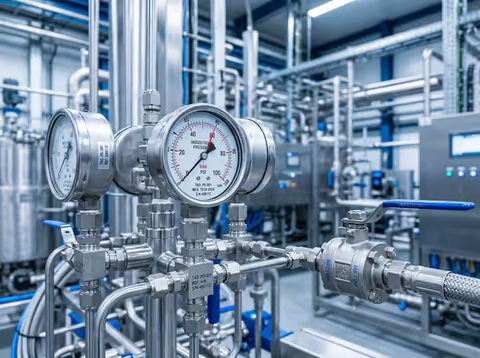
Examples include thermal imaging devices that detect overheating components, vibration analysis instruments that identify bearing or motor issues, ultrasonic detectors for leak detection, electrical testing instruments, and pressure monitoring equipment. These tools provide valuable information that supports predictive maintenance strategies.
Lubrication Equipment
Proper lubrication reduces friction between moving components and prevents excessive wear. Lubrication equipment ensures oils and greases are applied accurately and consistently.
Industrial lubrication systems include grease pumps, oil dispensing systems, automatic lubrication units, oil filtration equipment, and lubrication monitoring devices. Regular lubrication helps extend bearing life, reduce overheating, and improve machine performance.
Cleaning Equipment
Industrial environments generate dust, debris, oil residue, and metal particles that can affect machinery performance. Cleaning equipment helps maintain equipment hygiene and operational efficiency.
Cleaning equipment includes industrial vacuum systems, pressure cleaning machines, steam cleaning equipment, compressed air cleaning tools, and specialized cleaning systems for sensitive components. Regular cleaning reduces contamination and improves cooling efficiency.
Lifting and Handling Equipment
Maintenance often requires lifting heavy components safely. Lifting equipment supports installation, replacement, and repair activities without damaging equipment or risking worker safety.
Common lifting equipment includes hydraulic jacks, chain hoists, cranes, lifting tables, maintenance platforms, and material handling carts. Proper lifting equipment reduces physical strain and supports accurate equipment positioning.
Repair and Assembly Equipment
Repair equipment assists technicians during component replacement and mechanical adjustments. These tools support precision maintenance across industrial systems.
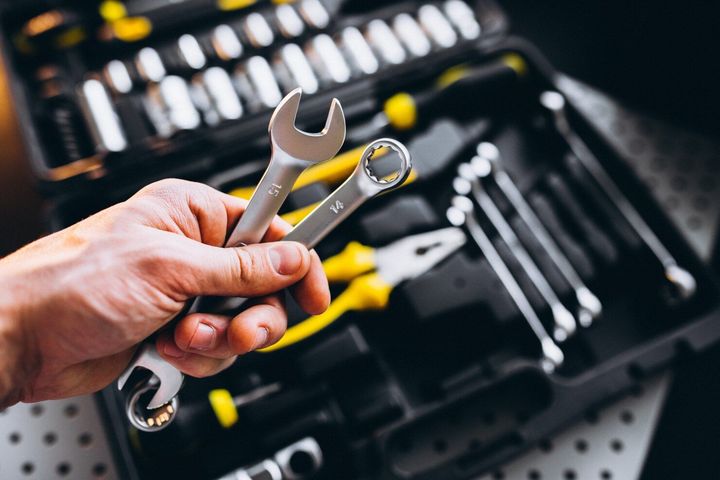
Repair equipment includes torque tools, hydraulic tools, bearing pullers, alignment systems, welding equipment, cutting equipment, fastening tools, and calibration devices. Precision tools help maintain equipment according to manufacturer specifications.
How Industrial Maintenance Equipment Supports Different Maintenance Strategies
Industrial maintenance follows different approaches depending on operational goals and equipment criticality.
Preventive Maintenance
Preventive maintenance involves scheduled inspections and servicing before failures occur. Maintenance equipment is used to inspect components, replace consumable parts, lubricate moving systems, and verify machine performance.
This approach helps reduce unexpected downtime and supports consistent production quality.
Predictive Maintenance
Predictive maintenance uses monitoring equipment to evaluate equipment condition in real time. Sensors and diagnostic tools collect information about vibration, temperature, pressure, lubrication quality, electrical performance, and noise levels.
Maintenance teams analyze this information to predict potential failures and schedule repairs before breakdowns occur.
Corrective Maintenance
Corrective maintenance takes place after equipment develops a fault. Maintenance equipment helps diagnose the problem, remove damaged components, install replacements, and restore equipment operation safely and efficiently.
Condition-Based Maintenance
Condition-based maintenance combines inspection equipment with operational monitoring. Maintenance activities are performed only when equipment condition indicates they are necessary, helping optimize maintenance resources and reduce unnecessary servicing.
Common Applications Across Industries
Industrial maintenance equipment serves different purposes depending on the industry.
Manufacturing facilities use maintenance equipment to maintain conveyor systems, motors, robotic arms, compressors, pumps, gearboxes, and production lines. Automotive plants rely on alignment equipment, lifting systems, torque tools, and diagnostic devices for assembly equipment maintenance.
Food and beverage processing facilities use cleaning systems, lubrication equipment, and inspection devices that meet hygiene requirements. Pharmaceutical industries require precise calibration equipment and contamination control systems to maintain production standards.
Energy facilities use maintenance equipment for turbines, generators, transformers, cooling systems, and pipelines. Mining operations depend on heavy-duty lifting equipment, hydraulic repair tools, and predictive monitoring systems for large machinery.
Warehouses and logistics centers use maintenance equipment for forklifts, automated storage systems, conveyor belts, and packaging machinery.
Features to Look for in Industrial Maintenance Equipment
Choosing maintenance equipment depends on operational requirements, equipment type, and maintenance objectives.
Accuracy is important because maintenance decisions rely on reliable measurements. Durable construction helps equipment withstand demanding industrial environments. Easy portability supports maintenance activities across large facilities.
Compatibility with different industrial systems improves maintenance flexibility. Digital connectivity allows maintenance equipment to integrate with monitoring software and maintenance management systems. User-friendly controls help technicians operate equipment efficiently while reducing training requirements.
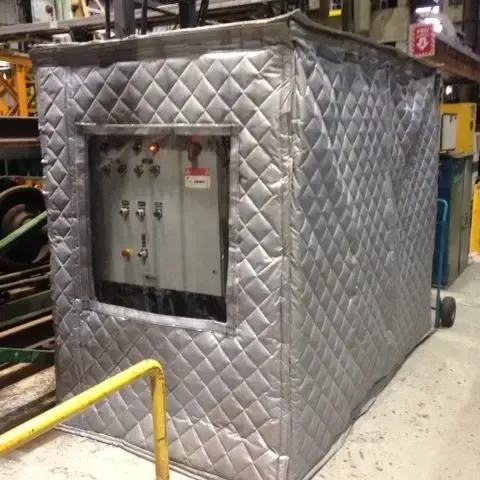
Safety features such as overload protection, insulation, emergency shut-off mechanisms, and protective enclosures also improve workplace safety during maintenance operations.
Best Practices for Using Industrial Maintenance Equipment
Effective maintenance depends on both equipment quality and proper maintenance procedures.
Maintenance teams should follow scheduled inspection routines and use equipment according to manufacturer guidelines. Calibration should be performed regularly to maintain measurement accuracy. Cleaning maintenance equipment after use helps extend its operational life.
Proper storage prevents corrosion, contamination, and accidental damage. Maintenance records help track equipment usage, inspection history, repairs, and calibration schedules. These records support long-term maintenance planning and regulatory compliance.
Training is equally important. Technicians should understand correct operating procedures, safety protocols, and equipment limitations before performing maintenance activities.
Safety Considerations During Industrial Maintenance
Maintenance activities often involve electrical systems, rotating machinery, hydraulic pressure, elevated platforms, and heavy components. Safety equipment works alongside maintenance equipment to reduce workplace risks.
Lockout and isolation procedures help prevent accidental machine startup during maintenance. Personal protective equipment protects technicians from mechanical, electrical, chemical, and thermal hazards.
Inspection equipment should always verify that equipment is safe before repairs begin. Hydraulic lifting equipment must be used within recommended load limits. Electrical testing equipment should be inspected regularly for insulation integrity and measurement accuracy.
Safe maintenance planning includes identifying hazards, isolating energy sources, verifying equipment stability, and documenting completed maintenance activities before machinery returns to operation.
Recent Developments in Industrial Maintenance Equipment
Industrial maintenance has changed significantly with the growth of Industry 4.0 technologies. Modern maintenance equipment increasingly combines physical tools with digital monitoring systems.
Wireless sensors now monitor vibration, temperature, humidity, pressure, and motor performance continuously. Maintenance teams receive alerts when equipment performance changes beyond acceptable limits.
Artificial intelligence is becoming part of predictive maintenance systems by analyzing equipment behavior and identifying maintenance patterns. Cloud-based maintenance platforms help teams monitor equipment across multiple facilities.
Digital twins allow maintenance teams to simulate equipment performance and evaluate maintenance scenarios before physical repairs. Portable diagnostic equipment has become more compact, accurate, and connected through mobile applications and industrial software platforms.
Energy-efficient maintenance equipment is also gaining importance as industries focus on reducing operational energy consumption and improving sustainability.
Challenges in Industrial Maintenance
Industrial maintenance teams face several operational challenges even with advanced equipment. Aging machinery may require specialized maintenance tools that are difficult to replace. Production schedules sometimes limit maintenance windows, making efficient equipment essential.
Environmental conditions such as dust, moisture, vibration, and extreme temperatures can affect both industrial machinery and maintenance equipment performance. Skilled technicians are needed to interpret diagnostic information correctly and perform maintenance safely.
Integrating traditional maintenance practices with modern digital monitoring systems also requires ongoing training and updated maintenance procedures.
Despite these challenges, investing in effective maintenance equipment helps organizations improve reliability, reduce repair frequency, and support continuous operations.
The Future of Industrial Maintenance Equipment
Industrial maintenance equipment is expected to become smarter, more connected, and increasingly automated. Artificial intelligence will continue improving fault detection and maintenance scheduling. Internet-connected maintenance tools will provide real-time equipment health information across industrial networks.
Robotic maintenance systems may assist technicians in hazardous environments by performing inspections and routine servicing. Advanced sensors will become more accurate while consuming less power. Augmented reality technologies are also expected to help technicians visualize maintenance procedures and equipment diagnostics during repairs.
Sustainability will remain an important focus, encouraging maintenance equipment that reduces waste, improves energy efficiency, and supports longer equipment lifecycles.
As industrial facilities continue adopting automation and digital technologies, maintenance equipment will become an even more important part of reliable industrial operations.
Conclusion
Industrial maintenance equipment is an essential foundation of modern industrial operations. It supports preventive inspections, predictive monitoring, routine servicing, emergency repairs, and long-term equipment reliability across a wide range of industries. From diagnostic instruments and lubrication systems to lifting equipment and digital monitoring tools, maintenance equipment helps keep industrial machinery operating safely and efficiently.
A well-planned maintenance approach supported by the right equipment improves productivity, reduces downtime, extends machine lifespan, and creates a safer workplace. As industries continue embracing automation, smart manufacturing, and connected technologies, industrial maintenance equipment will continue evolving to provide more accurate diagnostics, real-time monitoring, and efficient maintenance solutions that support reliable and sustainable industrial performance.