Industrial Sensors Explained: Types, Working Principles, Applications, and Future Trends
Industrial sensors are one of the most important technologies behind modern manufacturing and industrial automation. They help machines detect changes in their surroundings, measure physical conditions, and provide real-time information that allows equipment and systems to operate safely and efficiently. From monitoring temperature inside a production line to detecting the position of robotic arms, industrial sensors play a central role in nearly every industrial process.
As industries continue adopting automation, robotics, and smart manufacturing technologies, sensors have become more accurate, reliable, and intelligent. They collect valuable operational data that helps improve productivity, reduce downtime, maintain product quality, and increase workplace safety. Whether used in a factory, warehouse, power plant, or water treatment facility, industrial sensors enable machines to make informed decisions based on real-world conditions.
This guide explains what industrial sensors are, how they work, the different types available, where they are used, and why they are becoming increasingly important in Industry 4.0 and Industrial Internet of Things (IIoT) environments.
What Are Industrial Sensors and Why Are They Used?
An industrial sensor is a device that detects or measures a physical, chemical, or environmental condition and converts it into an electrical signal that machines, controllers, or monitoring systems can understand. Sensors continuously collect information from equipment and processes, allowing automated systems to respond without manual intervention.
Industrial sensors exist because manufacturing environments require constant monitoring to ensure machines operate within safe and efficient limits. Instead of relying on human observation, sensors provide continuous and accurate measurements that help prevent failures and optimize production.
These devices are commonly connected to programmable logic controllers (PLCs), distributed control systems (DCS), industrial computers, and cloud monitoring platforms. Together, they form the foundation of automated industrial operations.
Why Industrial Sensors Matter in Modern Industries
Industrial operations depend on precise measurements. Even small variations in temperature, pressure, vibration, or position can affect product quality or equipment performance. Sensors provide this critical information instantly, helping industries maintain consistency and reduce operational risks.
Modern industries also require predictive maintenance rather than waiting for equipment to fail. Sensors continuously monitor machine health, making it possible to identify abnormal conditions before they become major problems.
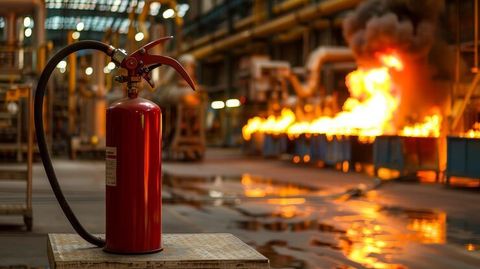
Another reason sensors are important is workplace safety. They detect hazardous gases, monitor overheating equipment, identify object movement, and help stop machinery during unsafe conditions.
As manufacturing becomes increasingly digital, sensors also generate data used for analytics, process optimization, and remote monitoring.
How Industrial Sensors Work
Industrial sensors operate by detecting changes in a specific physical parameter and converting those changes into electrical signals. The signal is then transmitted to a controller or monitoring system, where software interprets the information and triggers appropriate actions if necessary.
For example, a temperature sensor measures heat inside a machine. If the temperature exceeds a predefined limit, the controller may activate cooling equipment or stop the machine to prevent damage.
The basic working process includes sensing, signal conversion, signal transmission, processing, and system response. Depending on the application, sensors may produce analog or digital outputs and communicate through industrial communication protocols.
Different Types of Industrial Sensors
Industrial environments use many different sensor technologies depending on what needs to be measured. Each sensor is designed for specific operating conditions and industrial applications.
Temperature Sensors
Temperature sensors measure heat levels in machines, equipment, liquids, gases, and industrial processes. They help maintain operating temperatures within safe ranges and protect equipment from overheating.
These sensors are widely used in boilers, chemical processing plants, food manufacturing, pharmaceutical production, HVAC systems, and metal processing industries.
Pressure Sensors
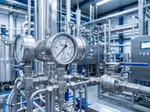
Pressure sensors measure the force applied by liquids or gases within pipes, tanks, compressors, and hydraulic systems. Maintaining correct pressure is essential for equipment safety and process efficiency.
Industries use pressure sensors in oil and gas systems, hydraulic machinery, water distribution, industrial compressors, and manufacturing equipment.
Proximity Sensors
Proximity sensors detect the presence or absence of an object without making physical contact. They improve automation by identifying products moving along conveyor belts or detecting machine components.
Common technologies include inductive, capacitive, photoelectric, and ultrasonic proximity sensors.
Position Sensors
Position sensors determine the exact location or movement of machine components. They help robotic systems, CNC machines, elevators, and automated production equipment operate with precision.
Linear and rotary position sensors are commonly used in industrial automation.
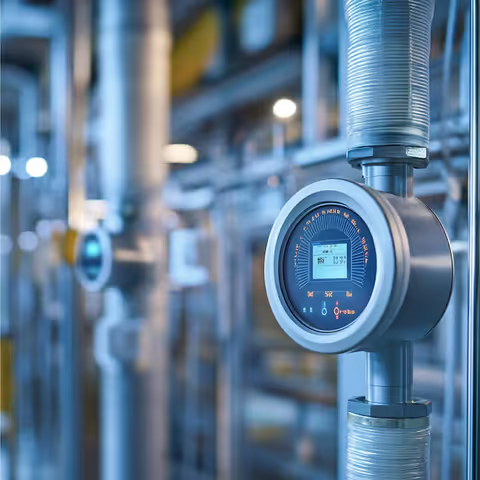
Flow Sensors
Flow sensors measure the movement of liquids, gases, or steam through industrial pipelines. Accurate flow measurement helps industries manage production efficiency and resource consumption.
Applications include water treatment plants, chemical manufacturing, food processing, and power generation facilities.
Level Sensors
Level sensors monitor the amount of liquid, powder, or granular material inside tanks, silos, and containers. Maintaining proper levels prevents overflow, shortages, and production interruptions.
Level sensors are commonly used in wastewater treatment, agriculture, fuel storage, and industrial manufacturing.
Vibration Sensors
Vibration sensors monitor machine movement and detect unusual vibration patterns that may indicate bearing wear, imbalance, or mechanical failure.
These sensors are widely used for predictive maintenance in motors, pumps, turbines, compressors, and rotating machinery.
Gas Sensors
Gas sensors detect hazardous or combustible gases in industrial environments. They help protect workers, equipment, and facilities by monitoring air quality and identifying leaks.
Industries use gas sensors in mining, chemical processing, oil refineries, wastewater treatment plants, and manufacturing facilities.
Industrial Sensors in Manufacturing Automation
Manufacturing plants use hundreds or even thousands of sensors to automate production processes. Sensors collect real-time information that helps machines adjust operations automatically without human intervention.
In automated assembly lines, sensors verify product positioning, detect defects, and control robotic movements. In packaging facilities, sensors monitor product counts, package dimensions, and conveyor movement.
Smart factories also use sensor networks to collect operational data across multiple production lines. This information supports quality control, production scheduling, and equipment performance analysis.
Industrial sensors make manufacturing more consistent, reduce waste, and improve operational efficiency.
Applications Across Different Industries
Industrial sensors are used in nearly every industrial sector because each environment requires accurate monitoring and control.
Manufacturing industries use sensors for automation, quality inspection, machine monitoring, and robotic control. Energy industries rely on sensors to monitor turbines, transformers, pipelines, and electrical equipment. Oil and gas facilities use pressure, temperature, flow, and gas sensors for safe production and transportation.
Water and wastewater treatment plants depend on level, flow, pressure, and chemical sensors to manage treatment processes efficiently. Food and beverage manufacturers use sensors to maintain hygiene standards, monitor temperature, and ensure consistent production quality.
Pharmaceutical industries use highly accurate sensors to monitor sterile environments, humidity, pressure, and production conditions. Logistics and warehouse automation systems use sensors for conveyor control, inventory movement, and autonomous vehicles.
Benefits of Industrial Sensors
Industrial sensors improve industrial operations in several important ways. They provide continuous monitoring that helps operators identify problems before they become serious. Real-time measurements also improve production quality by maintaining consistent operating conditions.
Sensors contribute to predictive maintenance by identifying early signs of equipment wear. This reduces unexpected downtime and extends machine life.
Energy efficiency is another major benefit. Sensors monitor power consumption, fluid flow, and equipment performance, allowing industries to optimize resource usage.
Safety also improves because sensors detect hazardous conditions, equipment overheating, gas leaks, and abnormal operating parameters before accidents occur.
The data collected by industrial sensors also supports analytics, reporting, and long-term process improvements.
Industrial Sensors and Industry 4.0
Industry 4.0 focuses on intelligent manufacturing systems that communicate, analyze data, and make automated decisions. Industrial sensors are the primary source of data in these connected environments.
Smart sensors collect operational information and transmit it through industrial networks to edge devices, cloud platforms, and monitoring dashboards. This enables remote equipment monitoring and centralized control across multiple facilities.
Factories using Industry 4.0 technologies combine sensors with artificial intelligence, machine learning, robotics, and cloud computing to improve production planning and maintenance scheduling.
The Industrial Internet of Things connects sensors across machines, allowing equipment to exchange information automatically and respond to changing operating conditions.
Recent Developments in Industrial Sensors During 2025–2026
Industrial sensor technology has continued advancing rapidly over the past year. Manufacturers are introducing smarter sensors with built-in processing capabilities that reduce the workload on central controllers.
Wireless industrial sensors have become more common, making installation easier in locations where traditional wiring is difficult. Battery efficiency has also improved, allowing wireless sensors to operate for longer periods.
Artificial intelligence is increasingly integrated with sensor platforms to detect abnormal equipment behavior automatically. Instead of simply measuring values, intelligent systems analyze sensor data to identify patterns that indicate maintenance needs.
Edge computing is another important development. Many sensors now process information locally before sending only important data to cloud platforms, reducing network traffic and improving response times.
Cybersecurity features have also become more important as connected industrial devices require secure communication between machines and monitoring systems.
Choosing the Right Industrial Sensor
Selecting the appropriate industrial sensor depends on the operating environment and measurement requirements. Temperature range, pressure limits, material compatibility, measurement accuracy, response speed, and environmental protection ratings all influence sensor selection.
Industrial environments may involve dust, moisture, vibration, chemicals, or extreme temperatures. Sensors designed for these conditions provide longer operational life and more reliable performance.
Communication compatibility is also important. Sensors should integrate with existing PLCs, industrial networks, and monitoring software without creating communication issues.
Reliability and calibration requirements should also be considered for applications where accurate measurements directly affect product quality or safety.
Maintenance and Calibration Best Practices
Industrial sensors require regular maintenance to maintain accuracy and reliability. Dust, moisture, vibration, and chemical exposure can gradually affect sensor performance if not monitored properly.
Routine inspections help identify damaged cables, loose connections, contamination, or physical wear. Cleaning sensors according to manufacturer recommendations helps maintain measurement accuracy in harsh environments.
Calibration is essential because sensor readings can drift over time. Scheduled calibration ensures measurements remain accurate and consistent across production processes.
Monitoring sensor diagnostics through industrial control systems also helps detect communication errors, signal instability, or abnormal operating behavior before failures occur.
Proper maintenance extends sensor lifespan and improves overall equipment reliability.
Challenges Industries Face with Industrial Sensors
Although industrial sensors provide many advantages, industries also face several practical challenges during installation and operation.
Harsh industrial environments can expose sensors to heat, vibration, moisture, chemicals, and electromagnetic interference. Selecting the wrong sensor for these conditions may reduce accuracy or shorten equipment life.
Integration with legacy industrial systems can also require additional configuration or communication gateways. Large industrial facilities may need thousands of sensors, making data management more complex.
Regular calibration, cybersecurity protection, and network reliability become increasingly important as more sensors connect to digital industrial infrastructure.
The Future of Industrial Sensors
Industrial sensors are becoming smarter, smaller, and more connected. Future sensors will combine advanced sensing technologies with artificial intelligence to provide deeper operational insights and faster decision-making.
Self-diagnosing sensors are expected to identify calibration issues and maintenance needs automatically. Energy-harvesting technologies may reduce dependence on batteries for wireless sensors.
Higher accuracy, faster communication, and improved edge intelligence will make sensors even more valuable for autonomous manufacturing systems, collaborative robots, and digital twins.
As industries continue adopting sustainable manufacturing practices, sensors will also play a larger role in monitoring energy consumption, emissions, water usage, and overall environmental performance.
Conclusion
Industrial sensors have become essential components of modern industrial automation and intelligent manufacturing. They measure critical operating conditions, monitor equipment performance, improve workplace safety, and provide the real-time data needed for automated decision-making. From temperature and pressure monitoring to vibration analysis and gas detection, sensors support reliable and efficient industrial operations across manufacturing, energy, logistics, pharmaceuticals, water treatment, and many other sectors.
The continued growth of Industry 4.0, IIoT, artificial intelligence, and smart factories is making industrial sensors more intelligent and interconnected than ever before. As technology advances through 2026 and beyond, these devices will continue helping industries improve productivity, reduce downtime, optimize maintenance, and build safer, more sustainable industrial environments.