Material Handling Insights: A Complete Guide to Smarter Material Movement in Modern Industries
Material handling is one of the most important parts of manufacturing, warehousing, logistics, and supply chain operations. Every product moves through multiple stages before reaching its final destination, and each stage depends on safe and efficient handling of materials. From receiving raw materials to storing finished products and preparing them for transportation, material handling connects every step of the production and distribution process.
As industries continue to grow and warehouses become more automated, businesses are focusing on smarter ways to move, store, protect, and manage materials. Modern material handling is no longer limited to forklifts or conveyor belts. It now includes intelligent storage systems, robotic equipment, automated guided vehicles, warehouse management software, and ergonomic tools that improve productivity while reducing physical effort.
Understanding the fundamentals of material handling helps businesses improve workflow, reduce waste, enhance workplace safety, and support sustainable operations. This guide explains the key concepts, equipment, processes, challenges, and future developments in material handling in a simple and practical way.
What Is Material Handling?
Material handling refers to the movement, storage, protection, and control of materials throughout manufacturing, warehousing, distribution, and consumption. The goal is to ensure that materials reach the right place, at the right time, in the right condition, while using resources efficiently.
Materials can include raw materials, components, finished goods, packaging materials, and inventory items. Material handling systems are designed to reduce unnecessary movement, prevent product damage, and improve operational efficiency.
An effective material handling process creates a smooth flow of goods between receiving, storage, production, packaging, shipping, and inventory management. Instead of treating these activities separately, modern facilities integrate them into one connected workflow.
Why Material Handling Matters Today
The importance of material handling has increased as industries face growing demand for faster deliveries, better inventory accuracy, and improved workplace safety. Efficient handling systems help organizations manage larger volumes of goods without significantly increasing labor or operational complexity.
A well-designed material handling process improves warehouse organization, minimizes delays, reduces handling errors, and supports continuous production. It also helps employees work more safely by reducing repetitive lifting and unnecessary transportation.
Industries such as manufacturing, automotive, pharmaceuticals, food processing, construction, retail, and e-commerce all rely heavily on reliable material handling practices to maintain consistent operations.
How Material Handling Works Across a Facility
Material handling follows a continuous journey from the arrival of materials to their final shipment. Every movement is planned to reduce unnecessary transportation and optimize space utilization.
Stage | Purpose |
| Receiving | Materials arrive, are inspected, identified, and entered into inventory. |
| Storage | Items are organized in racks, shelves, bins, or automated storage systems. |
| Internal Movement | Materials move between production areas, packing stations, or warehouse zones. |
| Order Picking | Products are selected according to customer or production requirements. |
| Packing and Shipping | Goods are packed, labeled, consolidated, and prepared for transportation. |
Each stage depends on coordinated equipment, trained workers, inventory systems, and safety procedures.
Types of Material Handling Systems
Material handling systems are designed according to the type of material, production volume, available space, and operational goals. Different industries combine multiple systems to create efficient workflows.
Manual Material Handling
Manual handling involves employees moving materials using physical effort or simple tools. This method is common for lightweight items or smaller operations where automation is limited.
Manual handling requires proper lifting techniques and ergonomic tools to reduce strain and prevent workplace injuries.
Mechanized Material Handling
Mechanized systems use powered equipment to transport or lift materials. These systems increase efficiency while reducing manual effort in warehouses and factories.
Common mechanized systems include forklifts, pallet jacks, conveyor systems, lifting tables, hoists, and cranes.
Automated Material Handling
Automation reduces repetitive movement by allowing machines to transport, store, or retrieve materials with minimal human intervention. Automated systems improve speed, consistency, and inventory accuracy.
Examples include automated storage and retrieval systems, robotic picking systems, autonomous mobile robots, and automated guided vehicles.
Integrated Material Handling
Integrated systems connect equipment with warehouse software, sensors, barcode scanners, RFID technology, and inventory management systems. This creates real-time visibility across operations and improves decision-making.
Common Material Handling Equipment
Material handling equipment is selected based on weight, size, movement frequency, and warehouse layout. Different tools perform different functions within the same facility.
Transport Equipment
Transport equipment moves materials from one location to another inside warehouses or production facilities.
Examples include conveyor belts, pallet trucks, forklifts, tow tractors, carts, autonomous mobile robots, and automated guided vehicles.
Storage Equipment
Storage equipment helps organize inventory while maximizing available warehouse space.
Common storage solutions include pallet racks, shelving systems, storage bins, mezzanine floors, cantilever racks, stackable containers, and automated storage systems.
Positioning Equipment
Positioning equipment places materials in the correct orientation for production or packaging.
Examples include lift tables, manipulators, turntables, work-positioning devices, and robotic arms.
Unit Load Equipment
Unit load equipment groups multiple items into manageable loads for transportation or storage.
Examples include pallets, containers, totes, crates, drums, and reusable storage boxes.
Key Principles of Effective Material Handling
Successful material handling follows principles that improve efficiency while reducing unnecessary movement and operational costs.
Planning is the first principle because material flow should be designed before equipment is selected. Every movement should have a clear purpose within the workflow.
Standardization ensures consistent handling methods across departments, making training and maintenance easier.
Work minimization reduces unnecessary lifting, carrying, and transportation, improving productivity and employee safety.
Space utilization focuses on making the best use of available warehouse capacity without creating congestion.
System integration connects equipment, inventory software, and operational processes into one coordinated environment.
Safety remains the foundation of every handling activity because efficient movement should never compromise worker wellbeing.
Material Handling in Warehouses
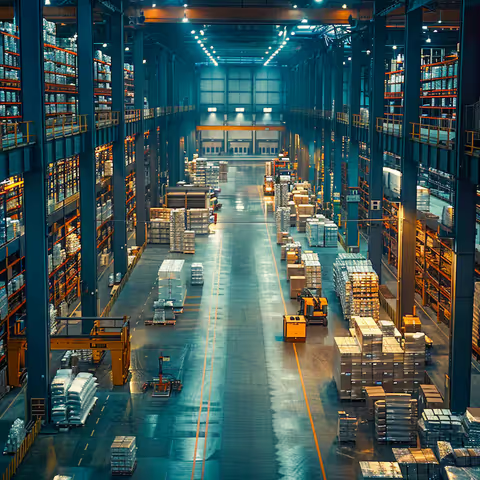
Warehouses depend heavily on material handling systems because inventory moves continuously between receiving, storage, picking, packing, and shipping.
Modern warehouse operations prioritize faster order fulfillment while maintaining inventory accuracy. Organized storage layouts reduce travel distance and improve picking efficiency.
Warehouse management systems help coordinate storage locations, inventory counts, barcode scanning, and shipment preparation. When combined with material handling equipment, these systems create smoother warehouse operations.
E-commerce warehouses particularly benefit from automated sorting, intelligent picking systems, and mobile robotics due to increasing order volumes.
Material Handling in Manufacturing
Manufacturing facilities use material handling to support continuous production lines. Raw materials must arrive at production stations without delays, while finished products move efficiently toward packaging and storage.
Lean manufacturing emphasizes reducing unnecessary transportation because excessive movement increases production time without adding value.
Material handling also supports just-in-time manufacturing by delivering components exactly when production requires them, reducing inventory accumulation and improving workflow efficiency.
The Role of Automation in Material Handling
Automation has transformed material handling by making warehouses and factories more efficient and data-driven. Automated systems reduce repetitive tasks while increasing operational visibility.
Robotic systems can transport inventory, retrieve products, assist order picking, and organize storage locations. Sensors and tracking technologies monitor inventory movement in real time.
Artificial intelligence is also improving warehouse operations through demand forecasting, route optimization, predictive maintenance, and intelligent inventory placement.
Automation does not replace every manual task. Instead, many facilities combine automated systems with human supervision for greater flexibility and accuracy.
Workplace Safety in Material Handling
Safety is an essential part of every material handling operation because workers frequently interact with heavy equipment, moving loads, and storage systems.
Proper training helps employees understand equipment operation, lifting techniques, load limits, and emergency procedures.
Routine equipment inspections reduce the risk of mechanical failures during lifting or transportation.
Clear warehouse pathways, visible safety markings, protective equipment, and organized storage layouts help reduce accidents and improve operational awareness.
Ergonomic workstations and lifting assistance devices also reduce repetitive strain injuries during manual handling tasks.
Common Challenges in Material Handling
Material handling systems face operational challenges that affect productivity and inventory flow if not managed effectively.
Limited warehouse space can create congestion and reduce picking efficiency. Poor inventory organization often increases search time and movement distance.
Equipment downtime interrupts production schedules and warehouse operations. Regular maintenance helps reduce unexpected disruptions.
Handling fragile or hazardous materials requires specialized storage, transportation methods, and safety procedures to prevent damage or workplace incidents.
Growing order volumes also require warehouses to balance speed with inventory accuracy, making technology integration increasingly important.
Sustainable Material Handling Practices
Sustainability has become an important consideration in warehouse and industrial operations. Material handling contributes by reducing waste, improving energy efficiency, and supporting reusable packaging systems.
Electric-powered equipment helps reduce emissions in indoor environments. Smart routing systems reduce unnecessary travel distance for vehicles and robots.
Reusable pallets, containers, and packaging materials reduce waste generated during transportation and storage.
Optimized warehouse layouts also reduce energy consumption by improving movement efficiency and minimizing equipment usage.
Recent Developments in Material Handling During 2025–2026
Material handling continued evolving rapidly during 2025 and 2026 as automation, artificial intelligence, and digital warehouse technologies became more widely adopted.
Warehouses increasingly introduced autonomous mobile robots for inventory transportation and collaborative robotic systems that assist employees during picking and packing tasks.
Artificial intelligence expanded into warehouse optimization by analyzing inventory demand, predicting equipment maintenance needs, and improving storage allocation strategies.
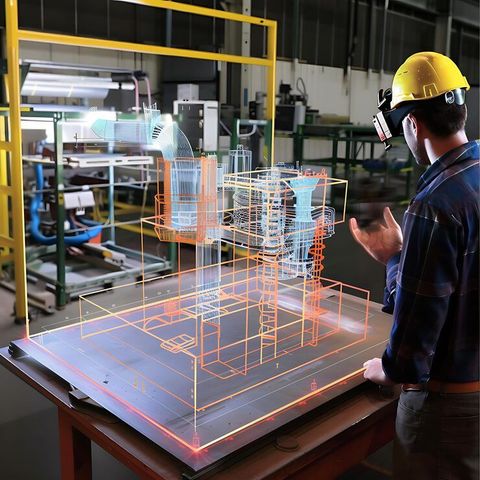
Digital twin technology also gained attention by allowing facilities to simulate warehouse layouts and operational workflows before making physical changes.
Sustainability initiatives encouraged greater adoption of energy-efficient equipment, recyclable packaging materials, and smarter warehouse resource management.
These developments reflect a broader shift toward connected, intelligent, and flexible material handling environments.
Choosing the Right Material Handling Approach
Selecting a material handling approach depends on operational requirements rather than a single technology.
Businesses evaluate factors such as material weight, storage density, movement frequency, warehouse size, safety requirements, available workforce, and future scalability.
Facilities handling high-volume inventory often benefit from automated transportation and storage systems, while smaller operations may prioritize flexible mechanized equipment combined with organized warehouse layouts.
The best approach aligns equipment, workflow design, inventory management, and employee safety into one coordinated system.
The Future of Material Handling
Material handling is moving toward intelligent, connected, and adaptive systems that respond to changing operational demands in real time.
Artificial intelligence will continue improving inventory forecasting, warehouse routing, and equipment maintenance planning. Robotics will become more collaborative, assisting employees with repetitive or physically demanding tasks.
Internet of Things sensors will provide greater visibility into inventory location, equipment performance, and environmental conditions inside warehouses.
Cloud-based warehouse management platforms will improve coordination across multiple facilities, while digital analytics will help organizations optimize storage space and operational efficiency.
Future material handling systems will increasingly balance automation, sustainability, workplace safety, and operational flexibility.
Conclusion
Material handling is much more than moving goods from one place to another. It is a structured system that supports manufacturing, warehousing, logistics, and supply chain operations through efficient movement, storage, protection, and control of materials.
As industries adopt automation, digital inventory systems, and intelligent warehouse technologies, material handling continues to evolve into a smarter and more connected process. Efficient material handling improves productivity, enhances workplace safety, reduces operational waste, and supports faster inventory movement across facilities.
Understanding material handling principles, equipment types, warehouse workflows, safety practices, and emerging technologies helps organizations build operations that are more efficient, adaptable, and prepared for future industrial demands.