Wastewater Recycling Systems: How They Work, Benefits, Types, and Future Trends
Water is one of the world's most valuable natural resources, yet growing populations, urban development, industrial activities, and climate change are placing increasing pressure on freshwater supplies. As water demand continues to rise, communities and industries are looking for smarter ways to conserve and reuse available water. One of the most effective solutions is wastewater recycling.
Wastewater recycling systems transform used water from homes, businesses, and industries into water that can be safely reused for a variety of purposes. Instead of treating wastewater as a waste product, modern recycling systems view it as a valuable resource that can reduce freshwater consumption, protect ecosystems, and support long-term water security.
This guide explains how wastewater recycling systems work, their benefits, treatment methods, common applications, challenges, and emerging technologies shaping the future of water reuse.
What Are Wastewater Recycling Systems?
Wastewater recycling systems are treatment systems designed to clean used water so it can be reused instead of being discharged into rivers, lakes, or oceans. The recycled water is treated to meet specific quality standards depending on how it will be used.
Wastewater comes from several sources, including household sinks, showers, washing machines, toilets, commercial buildings, factories, and agricultural operations. After treatment, recycled water can be used for irrigation, industrial cooling, landscape watering, groundwater replenishment, and in some cases even drinking water after advanced purification.
The main goal of wastewater recycling is to maximize water efficiency while reducing pollution and dependence on freshwater resources.
Why Wastewater Recycling Matters Today
Water scarcity has become a growing concern in many regions around the world. Changing rainfall patterns, prolonged droughts, population growth, and increasing industrial demand have made water conservation a global priority.
Wastewater recycling helps address these challenges by providing an alternative water source that is available throughout the year.
Key reasons wastewater recycling is important include:
Conserves freshwater supplies.
Reduces wastewater discharge into natural water bodies.
Supports agriculture during water shortages.
Helps industries reduce water consumption.
Improves long-term water sustainability.
Strengthens resilience during drought conditions.
Many cities and industries now include wastewater recycling as part of their broader water management and environmental sustainability strategies.
How Wastewater Recycling Systems Work
Wastewater recycling follows a multi-stage treatment process that removes contaminants, organic matter, microorganisms, and harmful chemicals from used water.
Step 1: Collection
Wastewater is collected from homes, commercial buildings, industries, or municipal sewer systems and transported to a treatment facility.
Step 2: Preliminary Treatment
Large debris such as plastics, paper, sand, and grit are removed through screens and settling chambers. This protects downstream equipment from damage.
Step 3: Primary Treatment
Heavy solids settle to the bottom while oils and grease float to the surface and are removed. This process separates suspended materials from wastewater.
Step 4: Secondary Treatment
Microorganisms break down organic pollutants naturally through biological treatment methods. This stage removes much of the dissolved organic matter.
Step 5: Tertiary Treatment
Additional filtration removes fine particles, nutrients, and remaining impurities. Depending on the intended use, advanced treatment technologies may also be applied.
Step 6: Disinfection
Water is disinfected using ultraviolet light, ozone, chlorine, or other approved methods to eliminate harmful bacteria, viruses, and pathogens.
Step 7: Storage and Reuse
The treated water is stored and distributed for approved reuse applications.
This layered treatment approach ensures recycled water meets safety and environmental standards for its intended purpose.
Types of Wastewater Recycling Systems
Different wastewater recycling systems are designed for different scales and water sources.
1. Greywater Recycling Systems
Greywater comes from showers, sinks, bathtubs, and washing machines but excludes toilet waste.
Greywater recycling systems typically reuse treated water for:
Garden irrigation.
Toilet flushing.
Landscape watering.
Cleaning outdoor spaces.
These systems are common in homes, hotels, and commercial buildings.
2. Blackwater Recycling Systems
Blackwater includes wastewater from toilets and kitchen waste containing higher levels of contaminants.
These systems require more advanced biological and chemical treatment before reuse.
3. Municipal Wastewater Recycling Systems
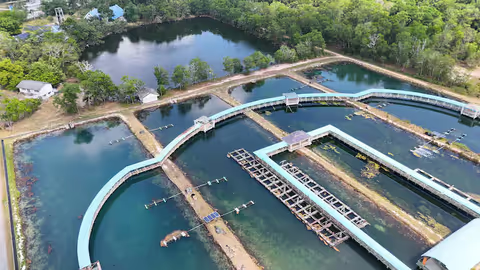
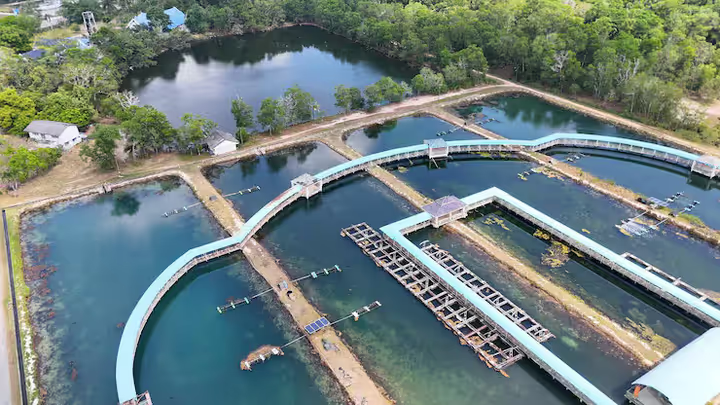
Cities operate large-scale wastewater treatment plants that recycle millions of liters of water daily for public uses such as parks, agriculture, and industrial supply.
4. Industrial Wastewater Recycling Systems
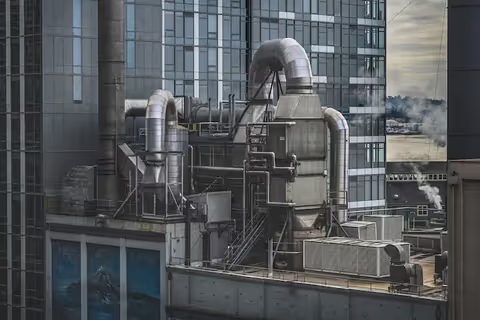
Factories recycle process water after removing chemicals, oils, metals, and other industrial contaminants.
Industries often reuse treated water in manufacturing, cooling towers, and cleaning operations.
5. Decentralized Wastewater Recycling Systems
Instead of sending wastewater to a central plant, decentralized systems treat water at residential communities, apartment complexes, schools, or commercial campuses.
These systems reduce transportation costs and enable local water reuse.
Main Components of a Wastewater Recycling System
A wastewater recycling system includes several interconnected components that work together to clean water effectively.
Component | Purpose |
| Screens and filters | Remove large solids and debris. |
| Sedimentation tanks | Separate suspended solids. |
| Biological reactors | Break down organic waste. |
| Membrane filtration units | Remove fine contaminants and microorganisms. |
| Disinfection units | Destroy bacteria and viruses. |
| Storage tanks | Store treated water before reuse. |
| Pumps and monitoring systems | Move and monitor recycled water safely. |
Each component contributes to producing water that meets quality standards for reuse.
Common Wastewater Treatment Technologies
Modern wastewater recycling uses a combination of physical, biological, and chemical technologies.
Biological Treatment
Beneficial microorganisms consume organic pollutants naturally, making this one of the most widely used treatment methods.
Membrane Filtration
Membranes separate microscopic contaminants, bacteria, and suspended solids from water.
Common membrane technologies include:
Microfiltration.
Ultrafiltration.
Nanofiltration.
Reverse osmosis.
Activated Carbon Filtration
Activated carbon removes odors, colors, organic compounds, and some chemical contaminants.
UV Disinfection
Ultraviolet light destroys microorganisms without adding chemicals to the water.
Ozonation
Ozone oxidizes contaminants and provides additional disinfection while improving water quality.
Different treatment combinations are selected based on water quality requirements and reuse goals.
Benefits of Wastewater Recycling Systems
Wastewater recycling offers environmental, economic, and social advantages across many sectors.
Conserves Freshwater Resources
Recycling reduces the need to extract water from rivers, lakes, and groundwater supplies.
Reduces Environmental Pollution
Treating wastewater before reuse decreases pollution entering natural ecosystems and protects aquatic life.
Supports Sustainable Agriculture
Recycled water provides a reliable irrigation source during periods of limited rainfall or water restrictions.
Improves Water Security
Communities become less dependent on unpredictable freshwater supplies by creating an additional water source.
Lowers Water Demand in Industry
Industries can recycle process water multiple times, reducing overall water consumption.
Encourages Circular Water Management
Wastewater recycling supports a circular approach where water remains in productive use instead of being discarded after one use.
Where Recycled Wastewater Is Used
Recycled wastewater is suitable for many non-potable and specialized applications after appropriate treatment.
Residential Uses
Toilet flushing.
Garden irrigation.
Landscape maintenance.
Outdoor cleaning.
Agricultural Uses
Crop irrigation.
Orchard watering.
Greenhouse irrigation.
Livestock feed crop production.
Industrial Uses
Cooling towers.
Equipment cleaning.
Manufacturing processes.
Boiler feed after advanced treatment.
Urban Uses
Public parks.
Golf courses.
Street cleaning.
Decorative fountains where permitted.
Environmental Uses
Wetland restoration.
Groundwater recharge.
River flow enhancement.
Habitat conservation projects.
Advanced treatment can also produce potable-quality water in regions where regulations permit indirect or direct potable reuse.
Wastewater Recycling in Homes and Buildings
Residential and commercial buildings increasingly adopt localized recycling systems to reduce water consumption.
Typical building-scale systems collect greywater, filter and disinfect it, and redistribute it for non-drinking applications.
Benefits for buildings include:
Reduced freshwater demand.
Lower wastewater discharge.
Better water efficiency.
Improved sustainability certifications.
Apartment complexes, hotels, schools, hospitals, and office buildings commonly integrate these systems into water management infrastructure.
Wastewater Recycling in Industry
Industrial facilities generate significant volumes of wastewater that often contain specialized contaminants.
Industrial recycling systems are designed to remove:
Oils and grease.
Heavy metals.
Chemicals.
Suspended solids.
Organic compounds.
Many industries reuse treated water internally, helping reduce environmental discharge while improving resource efficiency.
Industries that commonly use wastewater recycling include manufacturing, food processing, textiles, pharmaceuticals, mining, and power generation.
Environmental Impact of Wastewater Recycling
Wastewater recycling contributes directly to environmental protection.
Positive environmental impacts include:
Reduced freshwater extraction.
Lower nutrient pollution.
Improved river and lake health.
Reduced pressure on groundwater.
Better drought resilience.
Enhanced ecosystem restoration opportunities.
By reducing wastewater discharge, recycling systems help maintain healthier aquatic environments and biodiversity.
Challenges of Wastewater Recycling Systems
Although wastewater recycling offers many advantages, implementation requires careful planning and management.
Water Quality Standards
Different reuse applications require different treatment levels and continuous monitoring.
Infrastructure Requirements
Treatment facilities, pipelines, storage systems, and monitoring equipment require long-term planning and maintenance.
Public Awareness
Some communities may have concerns about recycled water safety. Education and transparency help build public confidence.
Energy Consumption
Advanced treatment technologies can require significant energy, although newer systems are becoming more energy efficient.
Maintenance and Monitoring
Regular inspections, equipment maintenance, and water quality testing are essential for reliable operation.
Addressing these challenges helps ensure wastewater recycling systems remain safe and effective.
Recent Trends in Wastewater Recycling
Wastewater recycling technology has advanced significantly in recent years.
Smart Monitoring Systems
Digital sensors continuously monitor water quality, pressure, and treatment performance in real time.
AI and Automation
Artificial intelligence helps optimize treatment processes, predict maintenance needs, and improve operational efficiency.
Energy Recovery
Modern treatment plants increasingly recover energy from wastewater through biogas production and resource recovery technologies.
Water Reuse Expansion
Many cities are expanding wastewater recycling programs to support urban landscaping, industrial supply, groundwater recharge, and drought preparedness.
Decentralized Water Systems
Smaller localized treatment systems are becoming more popular for residential communities and commercial developments.
These innovations improve efficiency while supporting sustainable water management.
Wastewater Recycling and the Circular Economy
Wastewater recycling plays an important role in the circular economy by viewing wastewater as a recoverable resource rather than waste.
Modern treatment facilities increasingly recover:
Clean water.
Nutrients for agriculture.
Organic matter for energy production.
Valuable materials from industrial wastewater.
This approach reduces waste generation while maximizing resource efficiency across multiple sectors.
Best Practices for Effective Wastewater Recycling
Successful wastewater recycling systems depend on thoughtful design, regular maintenance, and ongoing monitoring.
Recommended best practices include:
Use treatment methods appropriate for the intended reuse.
Monitor water quality regularly.
Maintain filtration and disinfection equipment.
Separate greywater and blackwater where practical.
Follow local environmental and public health regulations.
Educate users about safe recycled water applications.
These practices improve reliability and help maintain consistent water quality.
Future of Wastewater Recycling Systems
The future of wastewater recycling is closely connected to global sustainability and water resilience efforts. As freshwater resources become increasingly limited, governments, industries, and communities are investing in advanced recycling technologies that produce cleaner water with greater efficiency.
Future developments are expected to include smarter treatment facilities powered by automation, improved membrane technologies with lower energy use, enhanced resource recovery, and wider adoption of decentralized recycling systems for homes and commercial buildings. Water recycling is also expected to become a larger part of climate adaptation strategies in regions experiencing droughts and changing weather patterns.
As technology continues to improve, wastewater recycling will become an increasingly reliable and essential component of modern water infrastructure.
Conclusion
Wastewater recycling systems transform used water into a valuable resource that supports sustainable water management, environmental protection, and long-term water security. Through multiple stages of treatment, wastewater can be safely reused for agriculture, industry, urban landscaping, groundwater recharge, and other approved applications.
As water demand grows and climate challenges become more significant, wastewater recycling offers an effective way to conserve freshwater resources while reducing pollution and improving resilience. Continued innovation, responsible management, and public awareness will play an important role in expanding safe water reuse and building more sustainable communities for the future.